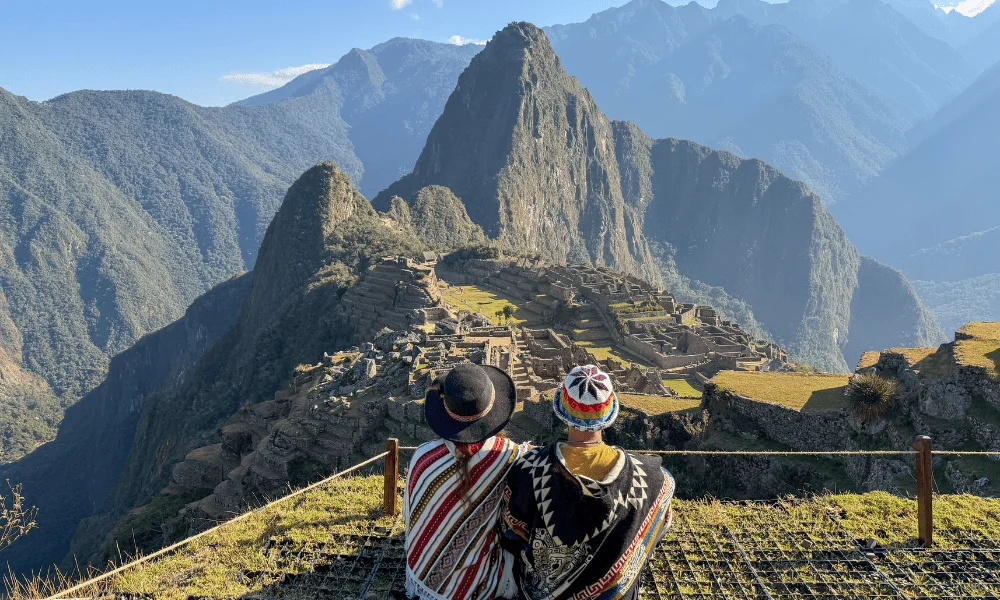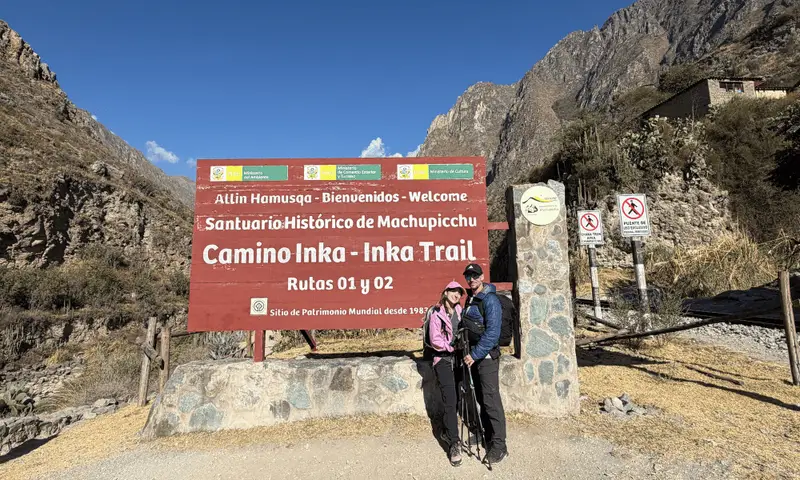
We hiked the Classic Inca Trail in early August with Alpaca Expeditions, and this is the packing list we wish someone had handed us beforehand – not a generic checklist copied from a gear website, but what we actually used, what we actually left in our suitcase, and what surprised us on the trail.
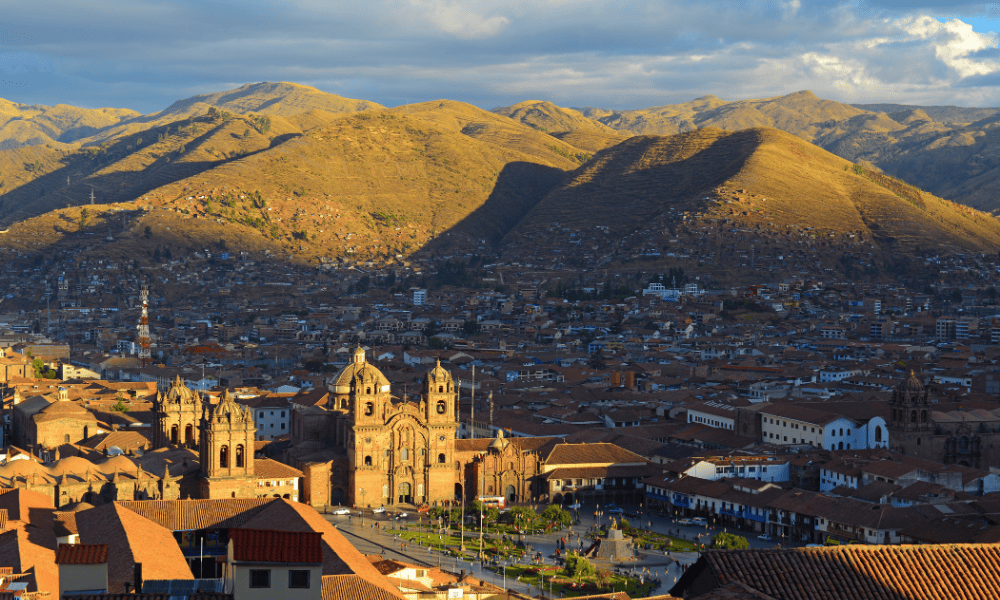
👉 Packing before or after exploring the city? Our Best Things to Do in Cusco guide covers everything worth doing there, plus the two hotels we genuinely loved.
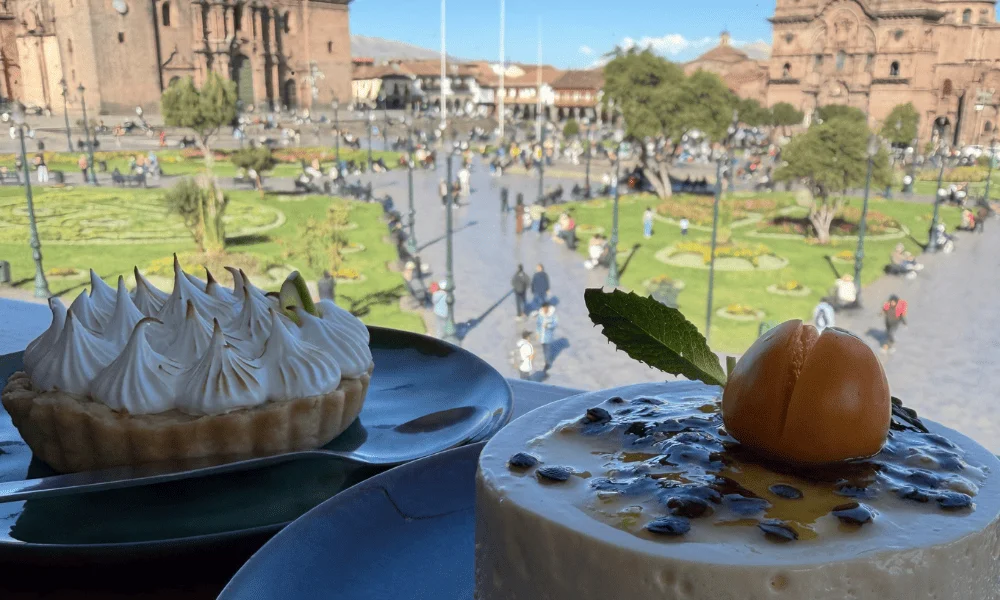
🍽️ Fueling up before the trek or celebrating after? Our Cusco restaurant guide covers where we actually ate, from a quick bite to a proper celebration dinner.
🗺️ Planning the whole trip, not just the packing list? Check out our complete 3-week Peru itinerary for the full route, day by day.
*Heads up, fellow travelers! Some of the links on this site are affiliate links, which means if you make a purchase or book an activity through them, we may earn a small commission (at no extra cost to you!). We only recommend things we absolutely love and believe will enhance your adventure. Your support helps us keep this site going, so thank you for being part of our journey!
Quick Answer: What to Pack for the Inca Trail
If you only read one section, read this one.
- 2 pairs of hiking pants (skip shorts – it’s dusty and buggy, not extremely hot)
- 3-4 merino t-shirts + 1 merino long-sleeve as a chilly-day layer
- 1 down jacket (warmth) + 1 rain/wind shell (weather)
- 1 fleece + thermal leggings and joggers for sleeping
- Trail shoes or hiking boots – trail shoes work fine in dry season, boots give more ankle support
- Gloves and a warm hat – non-negotiable, mornings are cold
- 1 pair of hiking socks per day, plus 1-2 spares
- A daypack (15–25L) with a padded hip belt
- First-aid basics: altitude pills, ibuprofen, anti-nausea, electrolytes
- A hydration bladder or bottle, sunglasses, and a cap
- Biodegradable wipes (to “shower”)
- Light quick-dry towel (optional, only if you plan to shower)
- Small plastic bags to organise everything inside your duffel
Keep reading for the full breakdown, plus how the whole bag system actually works – this trips up almost everyone on day one.
What Is the Inca Trail? (Quick Context)
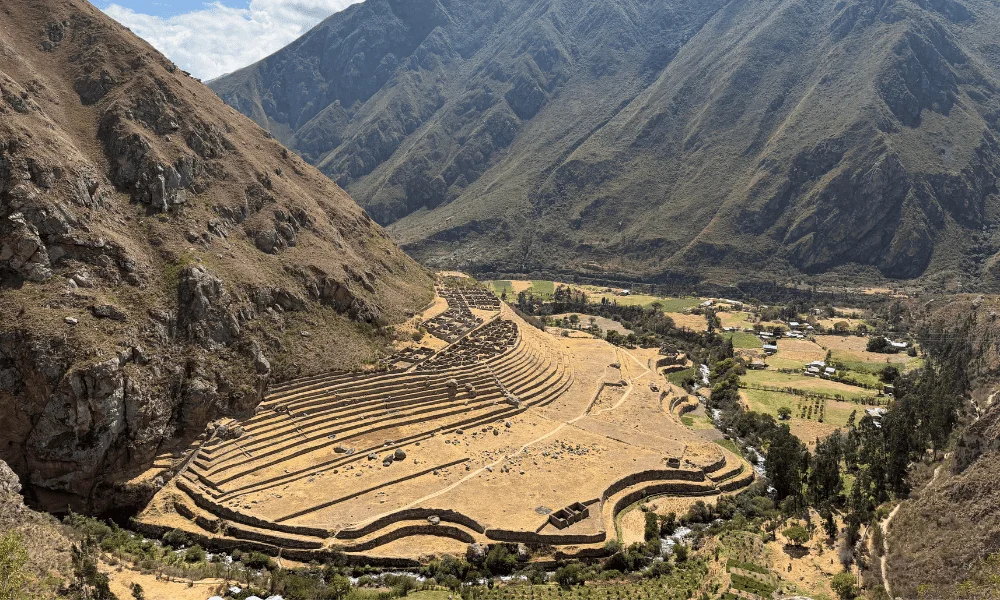
The Classic Inca Trail is a 4-day, 3-night trek through the Andes ending at Machu Picchu. You don’t do it independently – you book through a licensed agency who provides a guide, cooks, and a team of porters who carry the shared camping equipment (and some of your things) between campsites.
We trekked with Alpaca Expeditions – known around Cusco as “the green ones” for their bright green gear – and everything below reflects how their system works. Most agencies run a similar setup, but always confirm the specifics with yours.
How Your Bags Work on the Inca Trail
This is the single most confusing part for first-timers, so let’s answer it directly.
You’ll be managing three separate bags on this trek:
- Your suitcase or travel backpack – stays locked at your hotel or at your agency in Cusco for all four days.
- Your duffel bag – provided by your agency, carried by a porter, and reunited with you each evening at camp.
- Your daypack – the one you personally wear all day, every day.
How the Duffel Bag Actually Works, Step by Step
Here’s exactly how it played out for us with Alpaca Expeditions:
- The night before (6pm briefing): the agency hands you an empty duffel bag with your name already tagged on it. If you receive yours earlier, write your name on it yourself.
- That night, at your hotel: you pack it with your own things. This is your one real window to get it right, so don’t rush it.
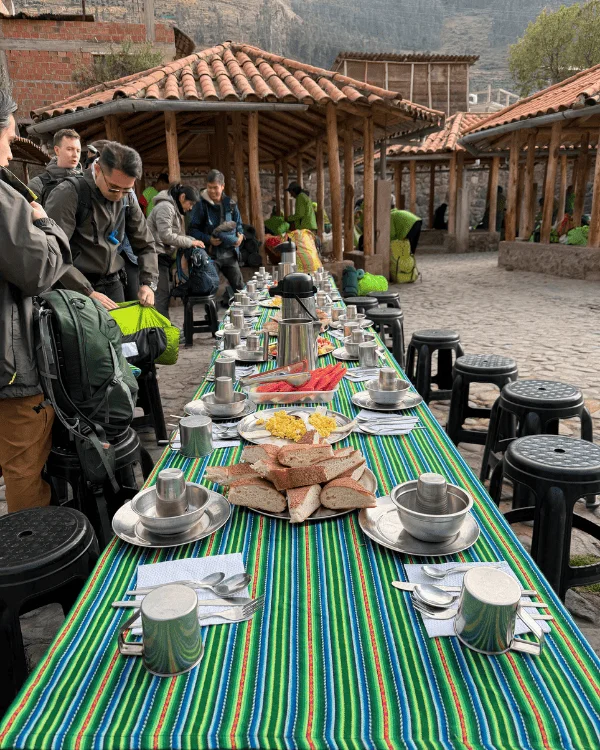
- The next morning: you’re driven to Ollantaytambo and then to the trail’s actual starting point, where breakfast happens before the first steps.
- At breakfast: the agency hands out the rented gear (if you rented with them) – a sleeping bag, a liner, and a small pillow each – which also go into your duffel.
- Weigh-in: your guide checks every duffel on a scale at breakfast. Day one tends to be checked more closely than the rest of the trek, simply because that’s when porter loads get assigned – so pack sensibly, but don’t panic over an exact number.
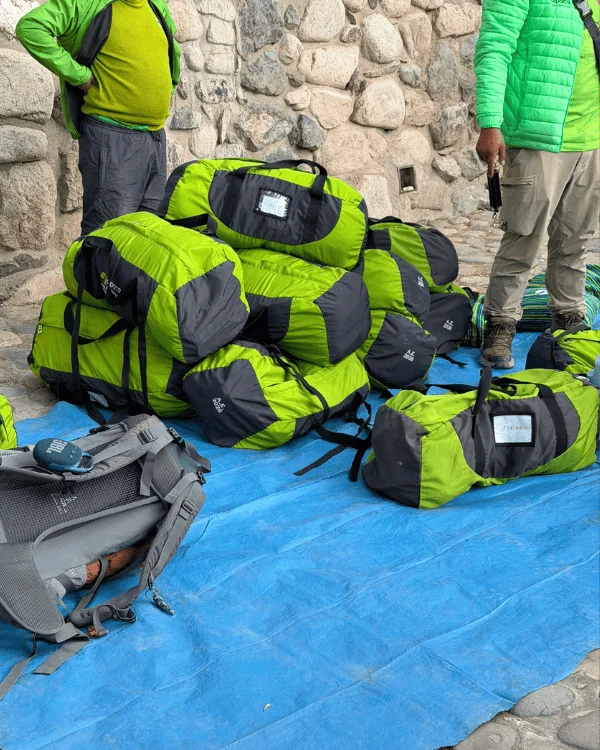
A few things nobody told us beforehand:
- Almost everyone in our group had to shift a few heavier items – cosmetics, a small mirror, spare batteries – out of the duffel and into their daypack at the weigh-in. Expect this, and leave a little spare room in your daypack for it.
- Duffel bags are not waterproof, and they get thrown around a lot between porters, mules, and campsite drop-offs – don’t pack anything fragile inside.
- Alpaca Expeditions gives you two plastic bags per person to pack inside the duffel: one for clothes, one for sleeping gear.
- The rented pillow is a small, soft camping pillow – not an inflatable one.
- The rain poncho and daypack rain cover you’re given are meant for your daypack, not the duffel – you want them accessible mid-hike if the weather turns.
💡 Our tip: bring your own extra small plastic bags (ours weren’t ziplock, just simple bags – roughly 20L) and sort your hiking clothes, sleepwear, and underwear into separate little bundles before placing them inside the two bigger bags your agency gives you. It sounds excessive until you’re digging through a dusty duffel by headlamp at 4am.
Daypack: What Size Do You Need?
Aim for 15–25 litres with a padded hip belt – once you’re carrying it for 6+ hours a day, the hip belt is the difference between a good day and a miserable one.
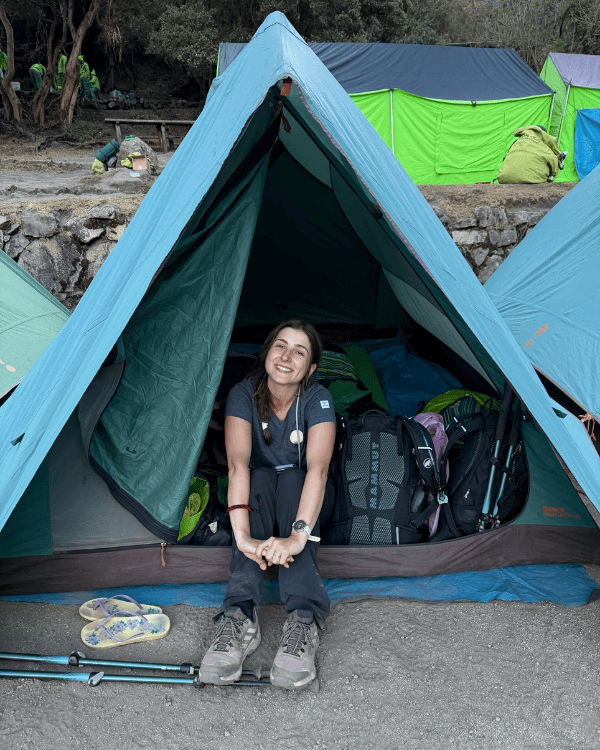
We each hiked with a Mammut Lithium – one 25L, one 20L – and the 25L was honestly on the smaller side for us. If you tend to overpack, size up rather than down.
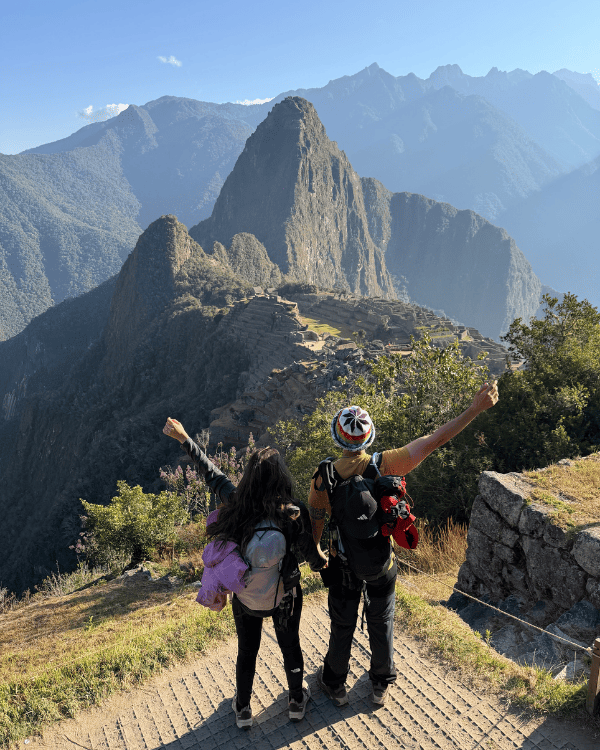
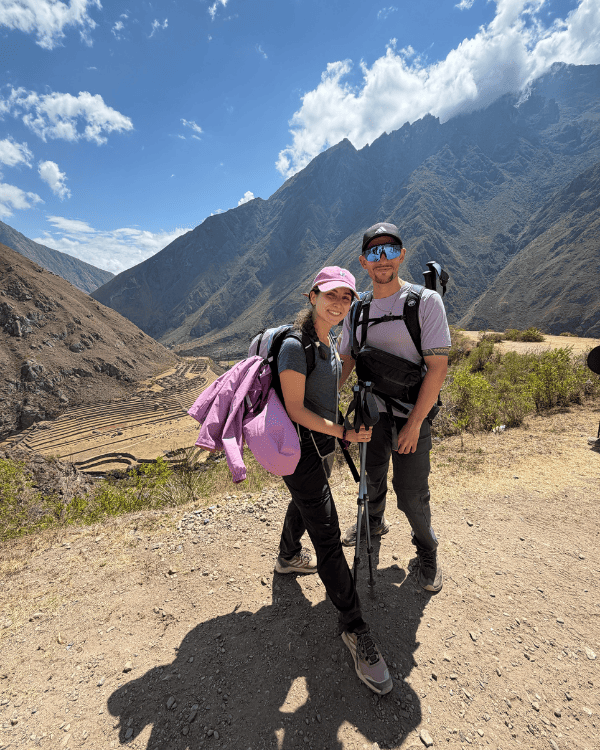
What actually goes in your daypack day to day:
- Water bottle and/or hydration bladder
- Rain poncho and daypack rain cover (given by your agency, kept accessible – not packed in the duffel)
- Snacks: coca candies, gum, oat bars, corn, whatever gets you through the afternoon slump
- Sunglasses and a cap
- Headlamp, so it’s on hand for early starts or if you’re still on the trail as it gets dark
- Camera or phone
- Tissues, easy to reach
- Toilet paper in an actual ziplock bag – by day three and four, trail toilets simply don’t have any
- Your extra layer for the day – usually the down jacket or/and the rain shell, whichever the morning calls for
- Sunscreen
- Small cash (soles) for tips, snacks, toilets, or the Machu Picchu locker
- Anything the agency asks you to shift out of the duffel at the weigh-in – cosmetics, mirrors, batteries, that kind of thing
💡 Basically: anything you might need without stopping to dig through your duffel, which you won’t see again until camp.
Inca Trail Clothing Checklist
Pants: Bring Two Pairs
Two pairs of hiking pants was exactly right for us – one alone would not have been enough. After day one, your legs are covered in trail dust, and putting on a clean pair the next morning is a genuine relief.
Skip the shorts. It doesn’t get hot enough to need them, and long pants protect you from dust, bugs, and the odd mosquito – trust us, getting dust off bare legs without a shower isn’t fun.
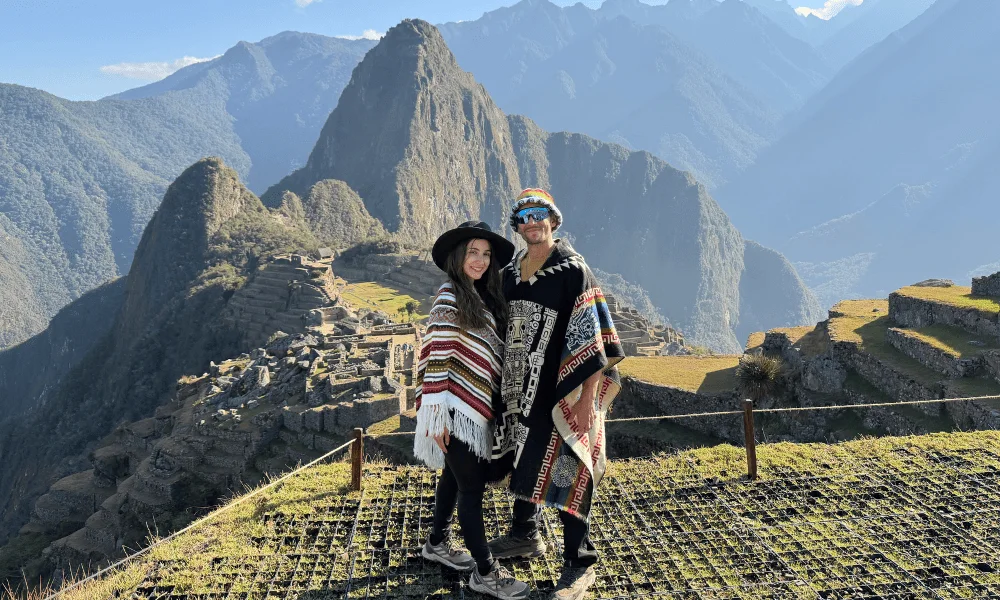
💡 Extra tip for the women here: if you want a cute outfit for Machu Picchu, Rumi managed to pack one pair of leggings just for the last day + one poncho – a small addition, but it made for a much nicer set of photos at the citadel.
T-Shirts and Base Layers
We packed 3-4 merino t-shirts each and were glad we did – merino barely smells even after days of sweat, and it regulates body temperature far better than synthetic fabrics. If you’re unsure, bring one extra; you will get dirty faster than you expect.
We also each carried one merino long-sleeve as a chilly-morning layer – enough to cut the wind without overheating. Rumi also used one to sleep in (under the fleece).
What to Wear Sleeping
Thermal leggings plus joggers were enough for us, even on the notoriously cold second night. On top: one more merino long-sleeve and a fleece – we were never cold, and your jacket can always go over that too if you do run cold (we personally never needed to).
Underwear and Bras
- Underwear: proper hiking underwear is worth it if you can get it, but normal underwear is fine as long as it’s not 100% cotton (cotton traps moisture). We packed at least 5 pairs each.
- Bras: as the woman on this trip, 3 sports bras was genuinely enough. Small tip – lay out tomorrow’s bra before bed, it makes mornings much smoother.
Socks: More Than You’d Think
Bring at least one pair of hiking socks per day, plus a spare, and one or two normal or wool pairs just for sleeping. Changing into fresh socks at the end of a hiking day is a small ritual that feels incredible after a dusty 12km.
Cold-Weather Gear You Actually Need
The Inca Trail starts brutally early each morning, and the temperature swings hard between day and night.
- Gloves – non-negotiable. The first hour of walking each morning is genuinely cold.
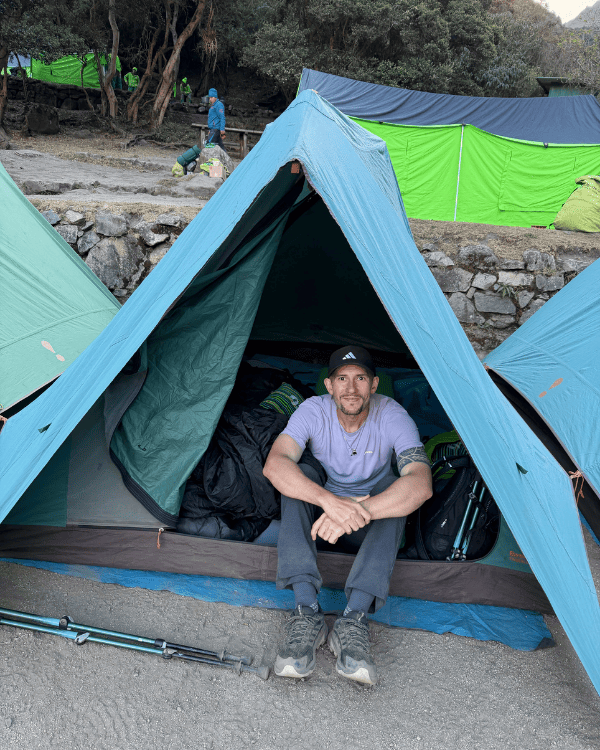
- A warm hat – we wore ours at dinner, at sunrise, and even to sleep. Make sure it’s actually comfortable, not something you grabbed last minute.
- Neck gaiter – optional. We brought one and used it once; if your jacket already has a good collar, you can probably skip it.
Jackets: The Two-Jacket System That Worked for Us
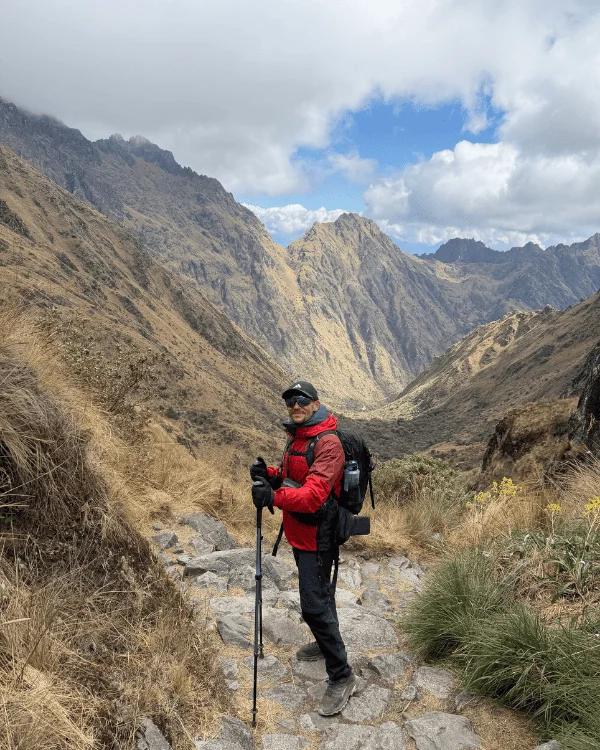
We each carried two jackets, and both earned their place every single day.
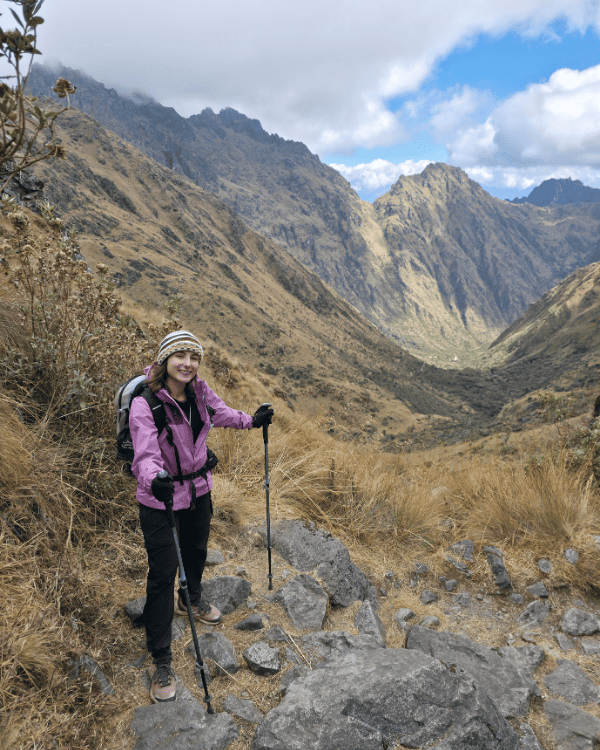
- A packable down jacket for warmth. We wore the women’s MT100 -5°C hooded down jacket and the men’s Forclaz MT100 synthetic trekking jacket – both lightweight, compress into their own pocket, and kept us properly warm at altitude and in camp.
- A rain/wind shell for weather. We each carried a shell – the women’s North Face Antora rain jacket and a Columbia Inner Limits II for the men’s side. We didn’t get rain on the trail, but the wind on exposed sections was strong enough that we were glad to have it. Keep this one clipped to the outside of your pack, not buried inside, so you can grab it fast.
💡 Combined with our merino long-sleeves and one fleece each, this combo covered every temperature we hit on the trail.
Footwear: Boots or Trail Shoes?
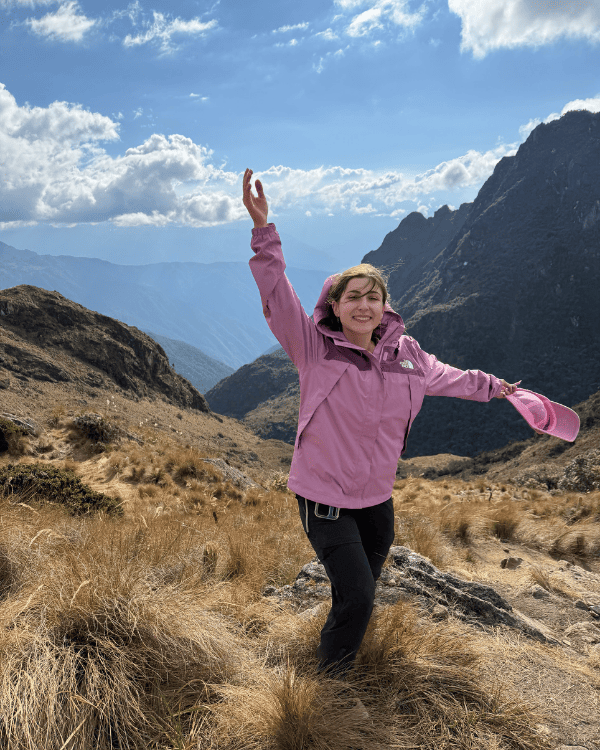
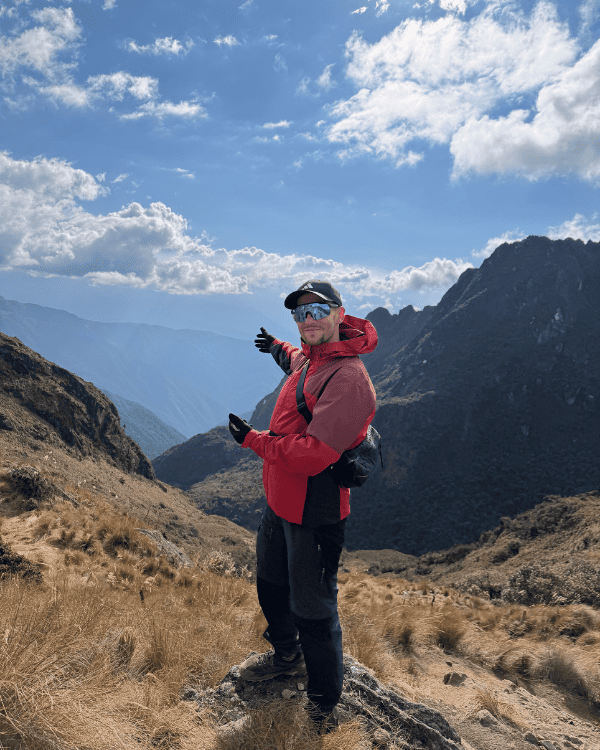
Short answer: if you’re travelling for weeks and don’t want to carry bulky boots around, trail shoes work perfectly fine in dry season – just know the trade-off.
We were three weeks in Peru total, and hiking boots felt too bulky and heavy to justify carrying around the rest of the trip just for four days of trekking. So we went with low-cut hiking shoes instead – I wore the Adidas Eastrail 2.0 RAIN.RDY, my boyfriend wore the Merrell Moab Speed 2 – and honestly, in dry season, we had zero issues.
The upside of trail shoes: they’re far more versatile. We wore ours again in other parts of Peru afterwards, without being stuck lugging a pair of boots you’ll only use once.
The honest trade-off: the trail has a lot of loose stones, and boots do offer better ankle support and protection than a low-cut shoe.
One person in our trekking group actually twisted their ankle on the trail. If you have weak or previously injured ankles, it’s genuinely worth considering boots over trail shoes – for us it worked out perfectly, but ankle stability is the one thing you’re trading away for the lighter, more packable option.
💡 Whichever you choose, break them in before the trek – day one alone covers serious distance, and new shoes plus four days of walking is not a combination you want to discover the hard way.
Health, Hydration, and Snacks
First-aid kit essentials:
- Ibuprofen
- Something for diarrhoea
- Something for nausea
- Altitude sickness tablets
- Vitamins and electrolyte sachets
💡 Altitude is no joke on day two – having this on hand rather than relying on your guide is worth the extra weight.
For hydration:
- A proper hydration bladder – spend a little more here, cheap ones taste like plastic, and get one with a lid so it doesn’t get grimy against your back.
- One extra 750ml bottle each, mainly for dissolving electrolytes – water is refilled for you at breakfast, lunch, and dinner along the trail.
Snacks that helped: coca candies (especially on the brutal second day), Inca corn, some oat bars, and a pack of chewing gum.
💡 Don’t forget sunglasses and a cap – the sun at altitude is far stronger than it feels.
Trail snacks aside, if you want to know what to actually eat once you’re off the trail, our region-by-region guide to food in Peru covers Lima, Arequipa, and Cusco in full.
What Goes in the Duffel (Not the Daypack)
Everything you’re not actively using goes here:
- Spare clothes
- Camp sandals (we barely used ours – nice to have, but a bit cold for camp evenings)
- Toothbrush, toothpaste, and a small bottle of mouthwash – genuinely handy when there’s barely enough water to brush properly
- A poncho for the classic Machu Picchu photos, plus (optionally) a pair of leggings for a slightly more “put together” outfit at the citadel
- A small toiletries pouch: face cream, micellar water, face pads
💡 Keep tissues & toilet paper in your daypack, not your duffel – you’ll want them accessible mid-walk, not just at camp.
Showers and Washing on the Trail (Nobody Tells You This)
This part surprised us, so we’re flagging it clearly: there are showers available on day 2 and day 3, but they’re cold, and how bearable that is depends entirely on the day. Day 2’s shower is genuinely cold and not much fun. Day 3 is much more manageable, purely because you arrive at camp in the afternoon while it’s still warm outside, so a cold shower doesn’t feel like such a shock.
If you think you’ll want to shower, bring a light, quick-dry towel – it packs down small and is worth the little bit of space.
What we actually did instead: we skipped the showers entirely and used a big pack of biodegradable wipes instead, which worked perfectly well for us. Every morning and evening, the crew sets out warm water in a basin outside your tent, and that’s where we washed our faces and feet – a small comfort that makes a bigger difference than you’d expect after a full day of walking.
💡 One more nice touch: at your very first lunch, you’re given a small face towel. Keep this one wherever suits you – duffel or daypack – since you’ll be using it daily for the rest of the trek.
Machu Picchu Backpack Rules (Read This Before Your Last Day)
This one catches a lot of people out, so here’s the direct answer.
As of today (August 2026), backpacks at Machu Picchu are capped at 20 litres and 45cm in height. Anything bigger has to be left in a locker at the entrance for 5 soles.
Honestly, it’s more comfortable to walk the citadel without a big pack anyway, so we didn’t mind at all.
A Quick Word on Choosing an Agency
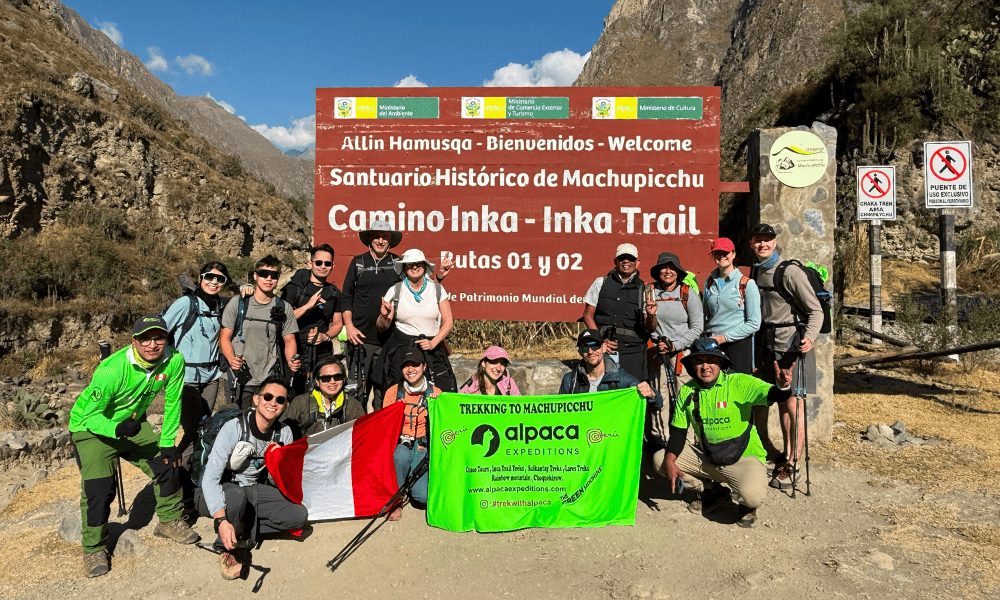
A few things are worth knowing before you book. Only licensed operators can legally run the Inca Trail – permits are issued by the Peruvian government and capped at 500 people a day across the whole trail, so booking 6-8 months ahead isn’t overkill, it’s necessary.
Beyond the permit itself, agencies vary a lot in how they treat their porters, the size of their groups, and the quality of their camping gear, so it’s worth asking directly rather than just comparing prices.
We went with Alpaca Expeditions and were genuinely happy with how they run things, but they’re far from the only solid, ethical option in Cusco.
We’ve put together a full guide on how to choose an Inca Trail agency – covering porter welfare, group size, what should be included in your package, and the exact questions to ask before you book. Worth a read before you commit to an operator.
Full Inca Trail Packing Checklist
Clothing
- 2 pairs hiking pants
- 3-4 merino t-shirts
- 1-2 merino long-sleeve
- 1 fleece
- Thermal leggings + joggers (sleep)
- 5 pairs underwear
- 3 sports bras (women)
- 4-5 pairs hiking socks + 1–2 sleep socks
- Trail shoes or hiking boots, broken in beforehand
Outerwear
- 1 down jacket
- 1 rain/wind shell
- Gloves
- Warm hat
- Neck gaiter (optional)
Gear
- Daypack (15-25L) with hip belt
- Duffel bag (usually agency-provided)
- Hydration bladder + 750ml bottle
- Sunglasses + cap
- Headlamp
Health
- Ibuprofen
- Anti-diarrhoea and anti-nausea tablets
- Altitude sickness pills
- Vitamins and electrolytes
Extras
- Toilet paper (ziplock bag)
- Tissues (daypack, easy access)
- Toothbrush, toothpaste, mouthwash
- Small toiletries pouch
- Camp sandals
- Poncho
- Biodegradable wipes (if skipping the cold showers)
- Light quick-dry towel (optional, only if you plan to shower)
- Small plastic bags for organising your duffel
- Coca candies and gum
Frequently Asked Questions
How much can my duffel bag weigh on the Inca Trail?
This depends on your agency – ask them directly when you book. Porters carrying your duffel are covered by Peru’s Porter Protection Law, which sets legal weight limits, and guides typically weigh duffels at the start of the trek. Day one tends to be checked more closely than the rest of the trail. At Alpaca expeditions, the maximum weight is 7kg per personm including all sleeping gear, so around 3.5kg for personal clothing and cosmetics.
Do I need a waterproof bag for the Inca Trail?
Yes. Standard duffel bags provided by agencies are not waterproof, so pack your things inside plastic bags first. Your agency will usually provide a couple of bags for this; bringing a few extra of your own helps keep clothing categories separated.
What size daypack do I need for the Inca Trail?
A 15–25 litre daypack with a padded hip belt is the sweet spot – big enough for water, snacks, layers, and a camera, small enough to stay comfortable over 6+ hours of daily walking.
Can I bring my hiking backpack into Machu Picchu?
Only if it’s 20 litres or smaller and under 45cm in height. Larger bags must be stored in a paid locker at the entrance for 5 soles.
What’s the coldest part of the Inca Trail?
The second night is famously the coldest, and early mornings before sunrise are consistently cold enough to need gloves and a hat.
Do I need hiking boots for the Inca Trail?
Not necessarily. In dry season, low-cut hiking or trail shoes work well and are far more versatile if you’re travelling long-term. Boots offer better ankle support on the trail’s loose, stony sections, so they’re worth considering if you have weak ankles – ankle injuries do happen on this trek.
Do I need hiking poles?
Most trekkers find them useful, especially on the steep descents on day three – check with your agency, as some include rental poles in the package. We personally rented them and used them all the time.
Final Thoughts
Packing for the Inca Trail really comes down to layers, a bit of discipline, and respect – for the porters carrying your things, for the cold mornings, and for your own legs on day two. Get the basics right – two pants, enough socks, gloves, a solid jacket combo, and a well-organised duffel – and everything else falls into place.
We’d also recommend sorting an eSIM before you land in Peru – Cusco’s tourist SIM kiosks are hit-or-miss, and having data the moment you land makes coordinating pickups and check-ins so much easier. We used Airalo and it worked the whole trip without a hitch.
We’re already trying to figure out what we’d change for next time, but honestly? Not much. If we forgot anything obvious, let us know – we’d genuinely love to hear it.
Written by Ru & Tiago
We hiked the Classic Inca Trail ourselves with Alpaca Expeditions, packing and repacking our duffel bags until we knew exactly what earned its space — from the cold showers to the porter weigh-ins. Based in Geneva, we specialise in honest, active trip guides built around real trekking experience, not recycled checklists.