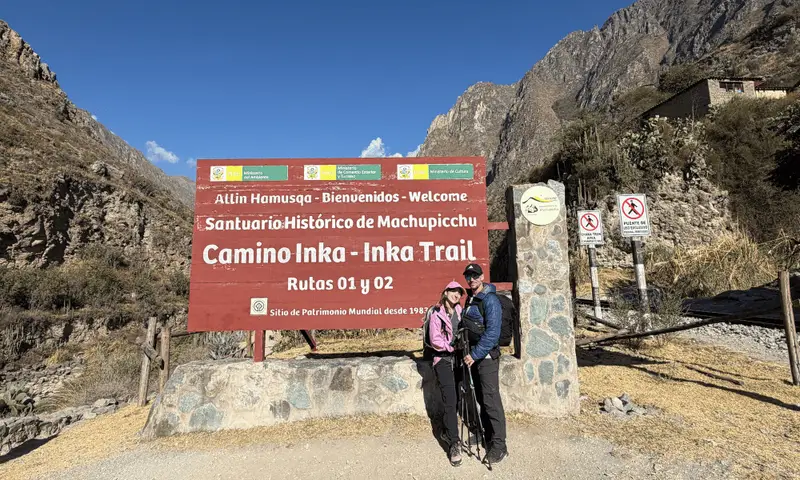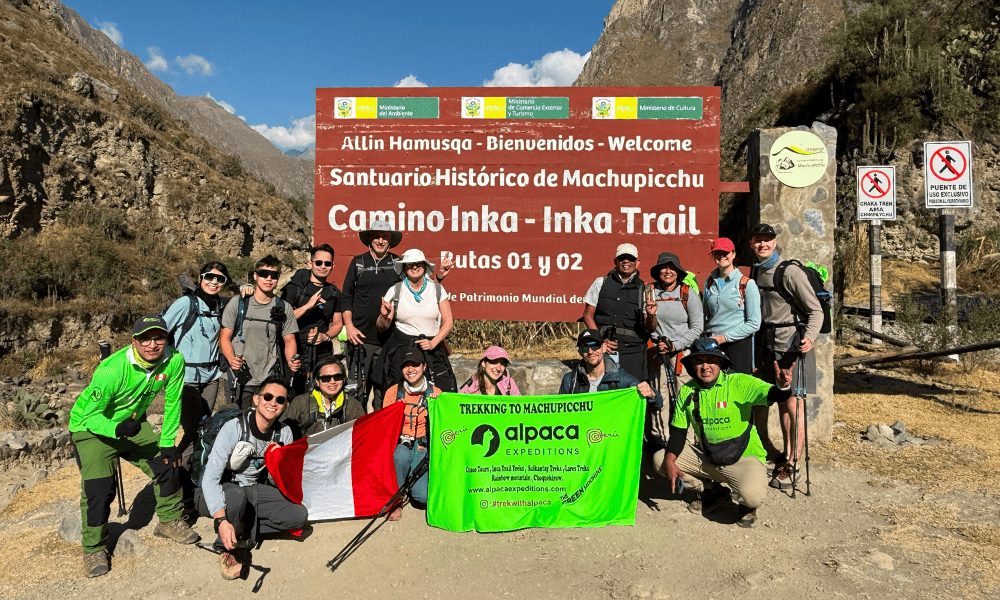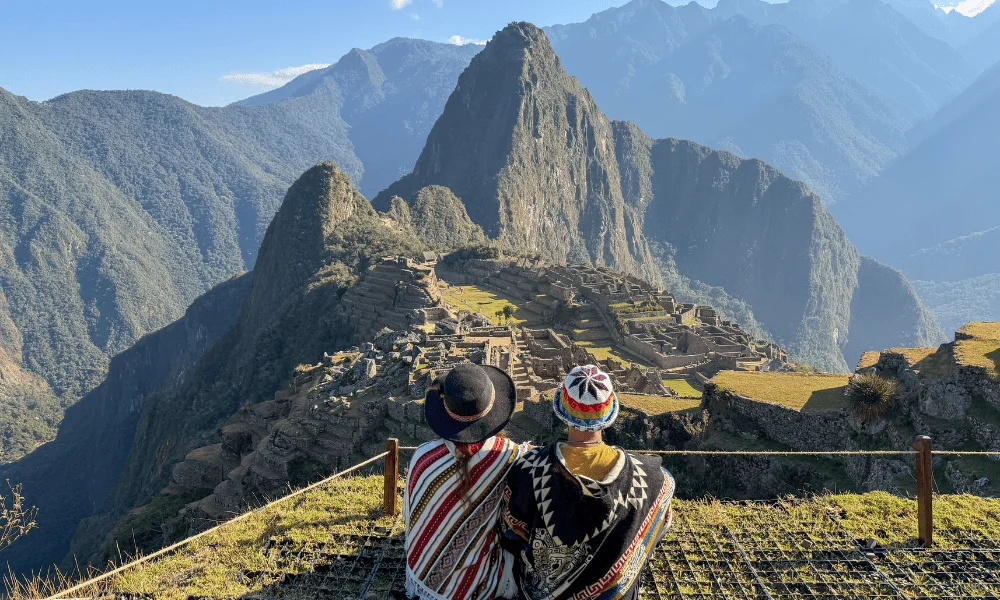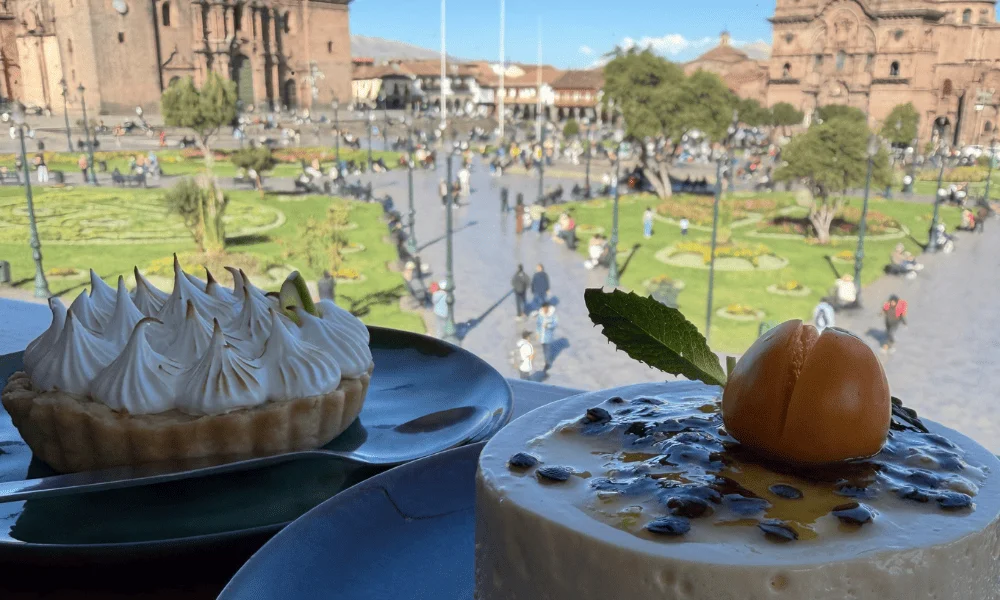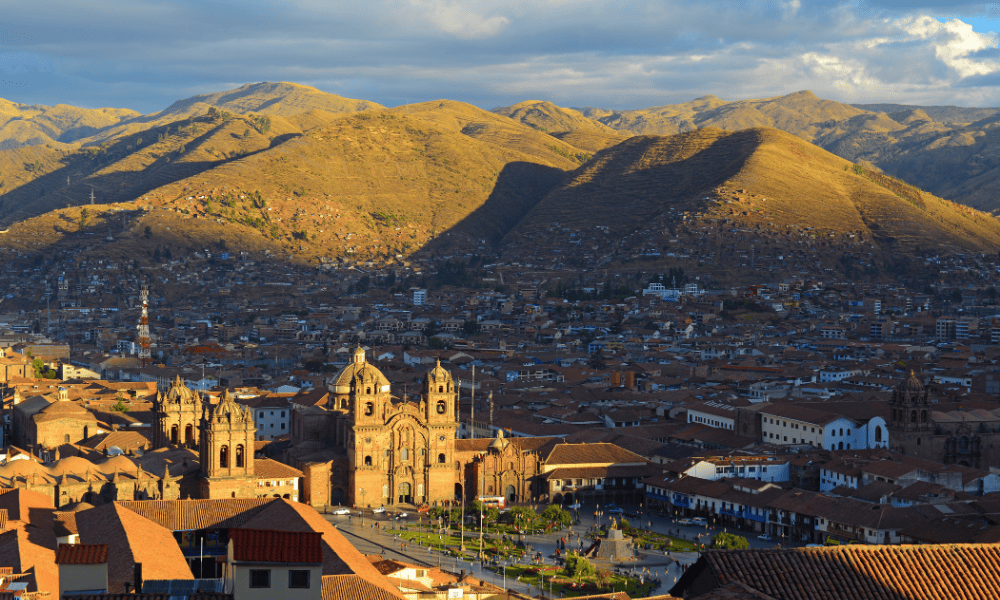
Cusco was, hands down, one of our favourite cities in the whole of Peru. It’s the kind of place where you turn one corner and you’re standing in front of Inca stonework older than most countries, and then you turn the next and you’re on a rooftop with a pisco sour in hand, watching the sun drop behind terracotta roofs.
We based ourselves here for several days as part of our 3-week Peru itinerary, and if we’re honest, we could have happily stayed longer. Here’s our full list of the best things to do in Cusco, in the order we’d tell a friend to do it, plus the practical stuff nobody mentions until you’re standing at 3,400 metres wondering why walking uphill suddenly feels like running a marathon.
📍 We’ve also put together a map with every single place in this guide pinned, San Blas, the ruins, the restaurants, all of it, so you can see how everything sits relative to each other and plan your days accordingly. You’ll find it at the very end of this post.
🧭 Cusco in 2026: What to Know Before You Go
Let’s get the practical question out of the way first, since it’s the one everyone asks us: is Cusco safe in 2026? Short answer – yes. The US State Department currently rates Peru as Level 2, exercise increased caution, which mostly comes down to petty theft and scams rather than anything targeting tourists directly.
It’s worth knowing that the higher-risk area the advisory actually flags is the VRAEM region, and Cusco’s historic centre, the Sacred Valley, the Inca Trail, and Machu Picchu are not part of it. Keep your phone out of sight in crowded markets, agree on taxi fares before you get in, and you’ll likely have the same easy, brilliant time we did.
The Altitude Is Real
Cusco sits at 3,399 metres, over 11,000 feet, and no amount of gym fitness prepares you for what that actually feels like.
Give yourself at least a full day, ideally two, of doing very little before you tackle steep streets or ruins. Drink more water than feels necessary, go easy on the pisco sours on night one (we learned that one the hard way), and drink the coca tea – every hotel and cafe in Cusco has a pot going, and it genuinely helps.
👉 Heading to the Inca Trail after Cusco? We go into exactly how many acclimatisation days to budget, and everything else that matters, in our guide to choosing an Inca Trail agency.
Where You Stay Matters More Than You’d Think
Stay in San Blas or on the streets just below Plaza de Armas – close enough to walk everywhere, without the hardest climb of the trip waiting for you at the end of a long sightseeing day. Cusco’s historic centre is built on a hillside, and some of the loveliest-looking guesthouses are also the ones perched at the top of a very steep, very cobbled street.
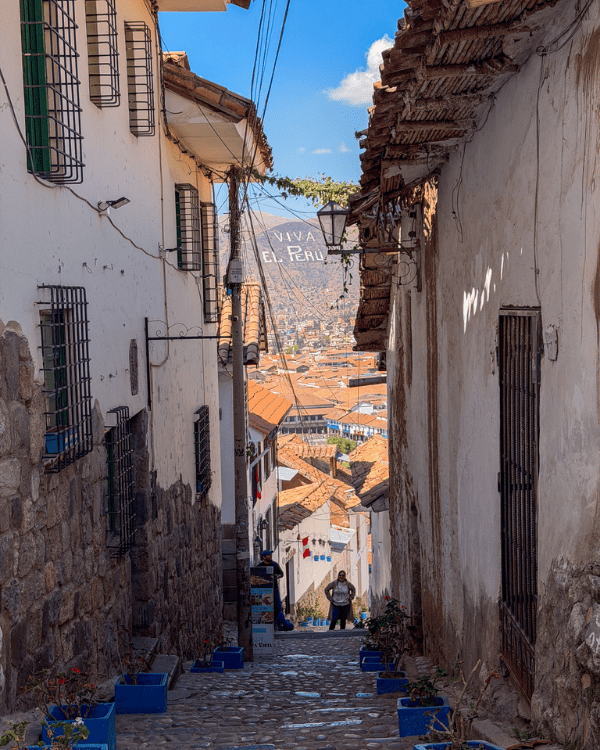
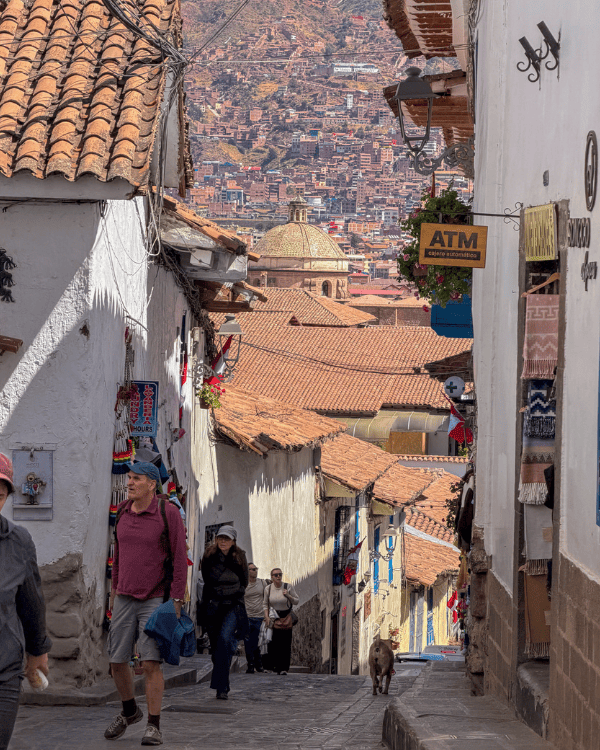
We stayed at two places in Cusco and genuinely loved both.
Hotel & Mirador Los Apus is tucked into a 17th-century colonial building just three blocks from Plaza de Armas, right in San Blas, with soundproofed colonial-style rooms, a rooftop terrace with sweeping views over the city, and a breakfast good enough that we never once considered going elsewhere for it.
Casa Durand sits right between San Blas and the historic centre, on the quieter Calle Recoleta, with comfortable beds, a genuinely good breakfast included, and a location that made getting anywhere in the city painless.
Check the exact address and elevation gain before you book, especially for your first night while you’re still adjusting to the altitude.
🚶 Explore Cusco on Foot
Cusco rewards wandering more than almost any city we’ve visited. Half of what we loved best wasn’t on any list: a doorway, a courtyard, a street musician we stopped to listen to for twenty minutes longer than planned.
San Blas, Our Favourite Neighbourhood
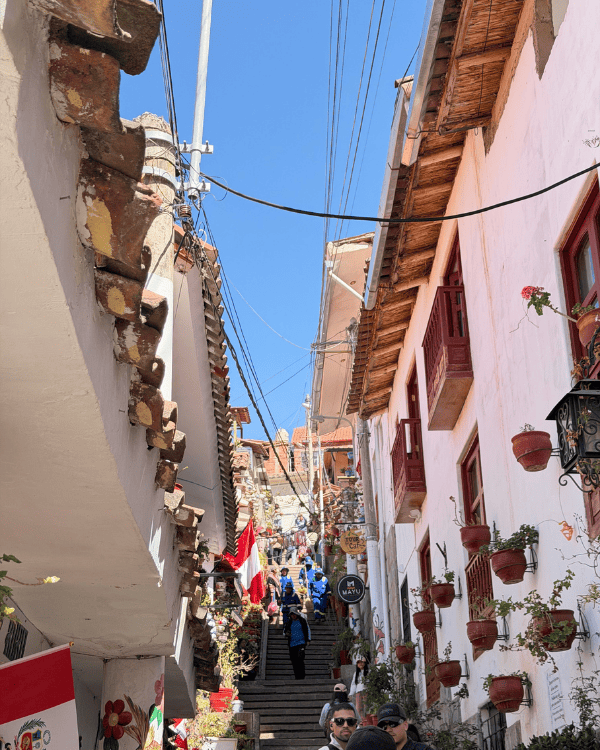
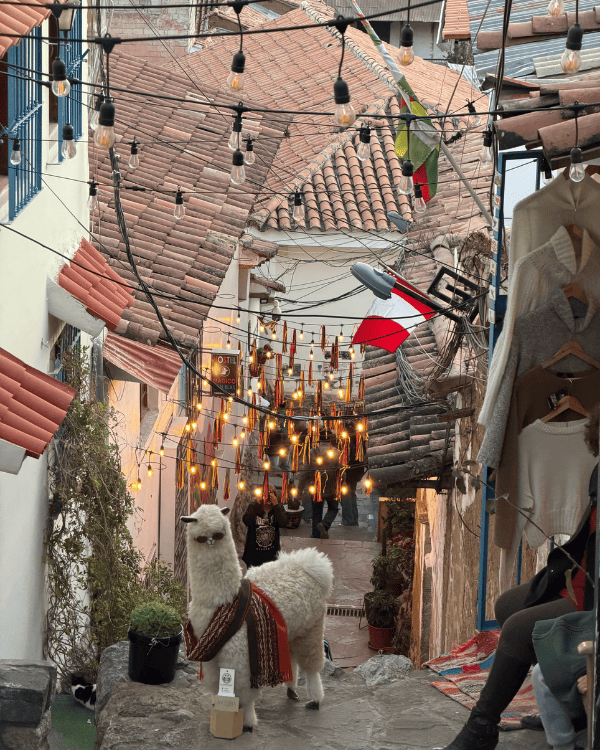
Don’t miss San Blas. This is Cusco’s artsy, bohemian neighbourhood, all narrow cobbled streets climbing steeply above the historic centre, lined with independent galleries, ceramic workshops, and cafes that smell like fresh bread. It quickly became our favourite part of the whole city.
If you can, go in the evening. San Blas gets genuinely romantic once the sun starts dropping and the streetlights come on, and there are a handful of lovely small bars up there where you can just sit, have a drink, and watch the city glow below you.
🌆 Our tip: we went back to San Blas three evenings in a row and it never once felt like a chore. Skip the queue for a table with a view and just find a step to sit on instead – some of our favourite half-hours in Cusco cost us nothing.
Give yourself an afternoon with absolutely nowhere to be. Follow whichever street looks most interesting, pop into the workshops with open doors, and don’t worry too much about the map. San Blas is small enough that you genuinely cannot get that lost.
🏛️ Don’t Miss in the Historic Centre
Plaza de Armas
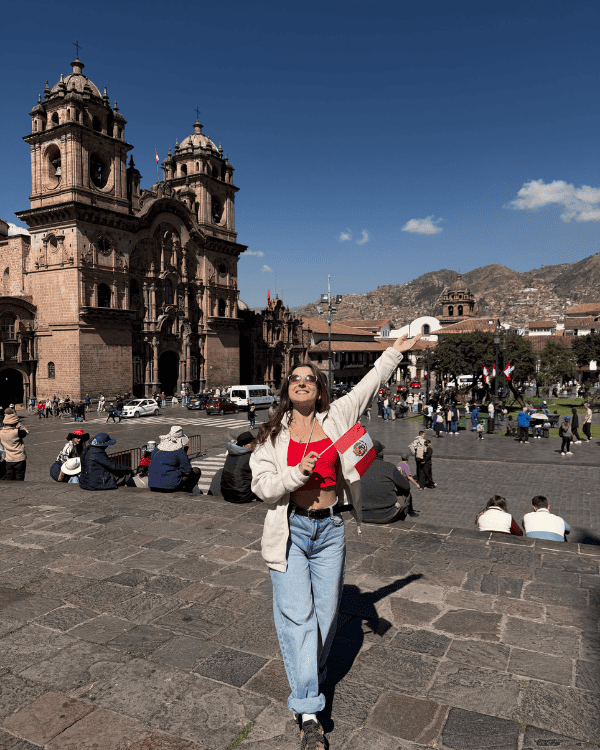
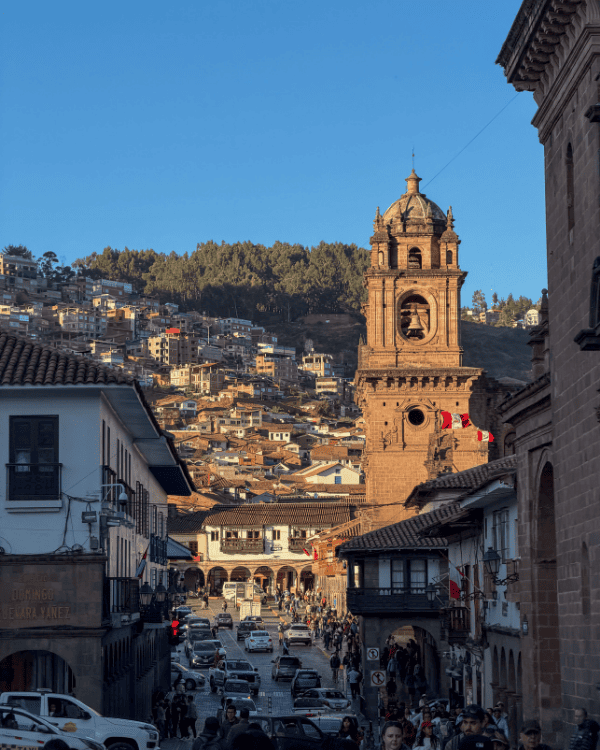
Plaza de Armas is where Cusco performs its best self: manicured gardens, colonial arcades, and two enormous churches facing off across the square. It’s touristy, sure, but it earns it. We came back here on three separate evenings just to sit on a bench and watch the city move.
The Cathedral and La Compania de Jesus
The Cathedral is worth the entry fee for one painting alone: Marcos Zapata’s version of the Last Supper, where the centrepiece dish on the table is, unmistakably, a whole roasted guinea pig. It’s a small, funny detail that says more about how Cusco absorbed and reshaped colonial culture than any plaque could.
Right next door, La Compania de Jesus is the church most first-timers mix up with the Cathedral, and honestly, we think its gold-leaf altar is even more striking. Each has its own separate, modest entry fee, but they’re right beside each other and easily done back to back.
The Twelve-Angled Stone
A few minutes’ walk away on Hatun Rumiyoc street, the Twelve-Angled Stone is the single most photographed piece of Inca stonework in the city, and for good reason. It’s a single granite block cut with twelve precise angles, fitted so tightly into the surrounding wall that you can’t slide a piece of paper into the joints.
There’s usually a local in traditional dress standing beside it, happy to pose for photos for a small tip. We always think it’s worth the sol or two – it’s part of how a lot of families here make a living from the tourism the stone itself draws in.
San Pedro Market and the Hidden Neighbourhood Markets
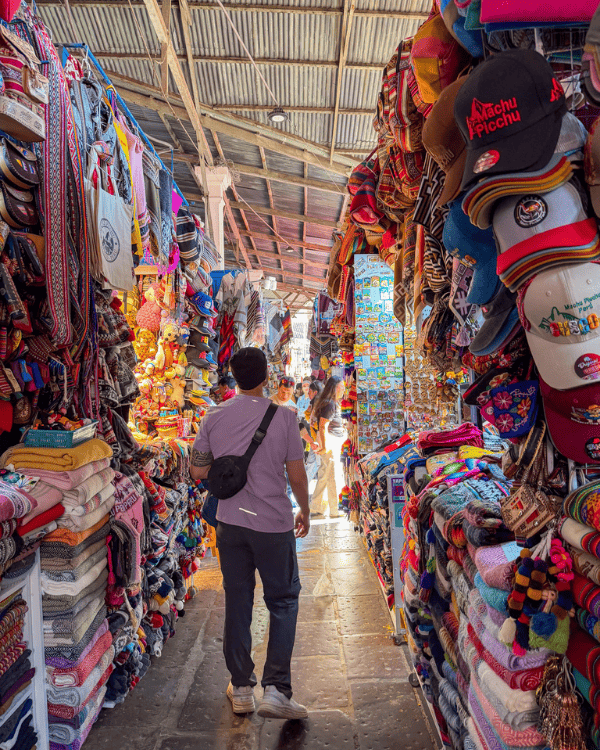
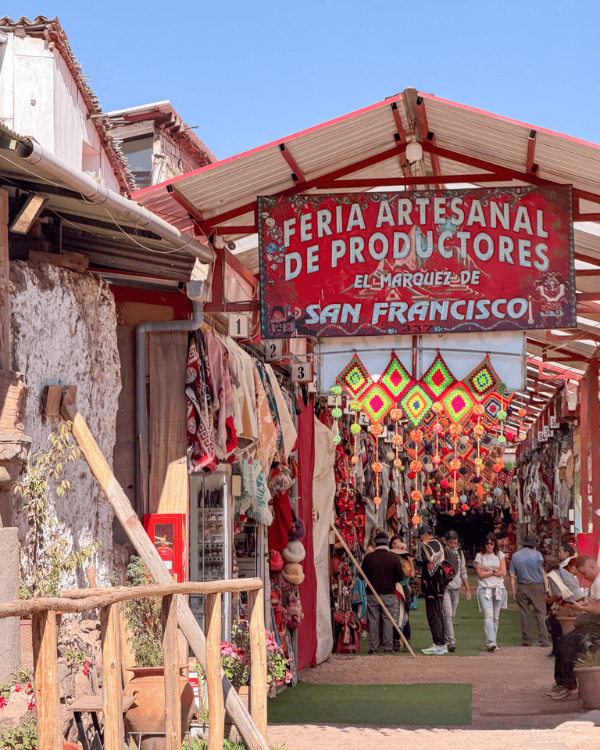
San Pedro Market is Cusco’s real, unpolished heart: stalls piled with fruit we couldn’t identify, women grinding fresh juice to order, and an entire aisle dedicated to potato varieties (Peru grows thousands of them, and San Pedro feels like it’s trying to stock most of them). It’s not curated for tourists, and that’s exactly why we loved it.
If you want to go one step further off the radar, ask locally about the smaller neighbourhood markets outside the centre. Some of our best, cheapest lunches in Cusco came from plastic-stool stalls that never make it onto any list, ours included.
🗺️ Do a Free Walking Tour
If it’s your first morning in Cusco, start with a free walking tour. Most leave from Plaza de Armas, run two to three hours, and are led by local guides working on tips, a genuinely good way to get your bearings and pick up historical context before exploring on your own.
We did ours on day one and it changed how we saw everything for the rest of the trip: small details, like why certain doorways are trapezoidal or what a particular carved symbol means, that we’d otherwise have walked straight past.
🖼️ Museums Worth Your Time
Qorikancha
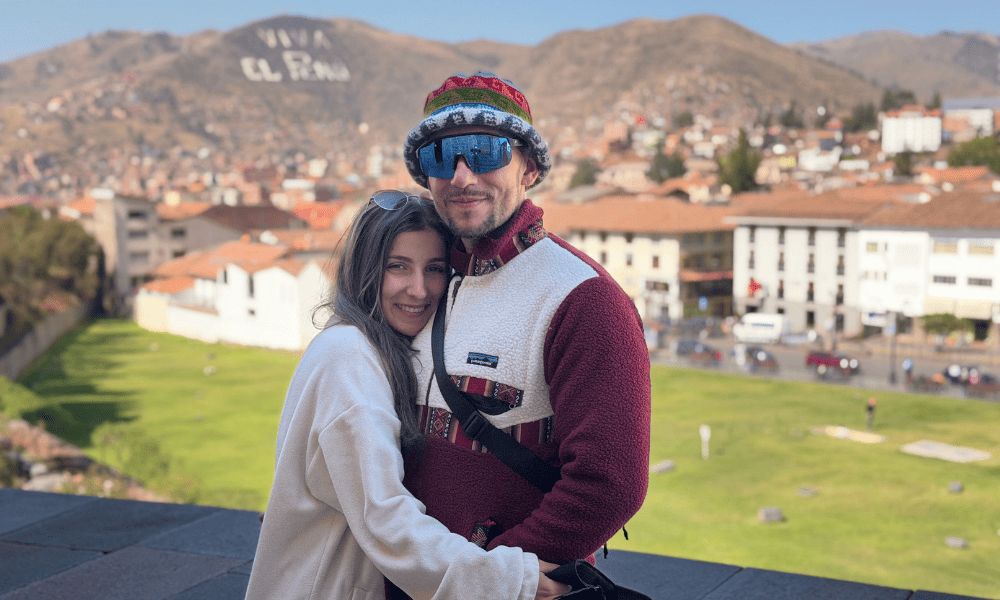
Qorikancha was once the most sacred temple in the Inca Empire, dedicated to the sun god Inti and, according to Spanish chronicles, entirely sheathed in gold before the conquest stripped it bare. What’s left is still remarkable: Inca stonework at its most refined, with a colonial church built directly on top of it.
We’d recommend going with a guide – you can just hire one right outside before you go in, ours cost 50 soles – since the signs on-site aren’t very detailed, and sometimes only in Spanish. Hearing the story of the place from someone who actually knew it made it far more interesting.
Museo Inka
Museo Inka is the best rainy-afternoon option in the city, with an excellent collection of pre-Columbian ceramics, textiles, and mummies that gives real context to everything you’ll see out at the ruins. We’d budget an hour, maybe ninety minutes.
ChocoMuseo
ChocoMuseo is free to walk through and genuinely interesting on the history of cacao in Peru, but the real draw is the hands-on workshop, where you make your own chocolate bar from actual cacao beans, bean to bar, in around two hours. A good rainy-afternoon activity, especially with kids.
🍫 Worth booking ahead: the ChocoMuseo chocolate-making workshop fills up fast in high season since it’s a small-group class. You leave with your own bar and a genuinely better sense of why Peruvian cacao gets so much attention.
🗿 Ruins Around Cusco
Sacsayhuaman
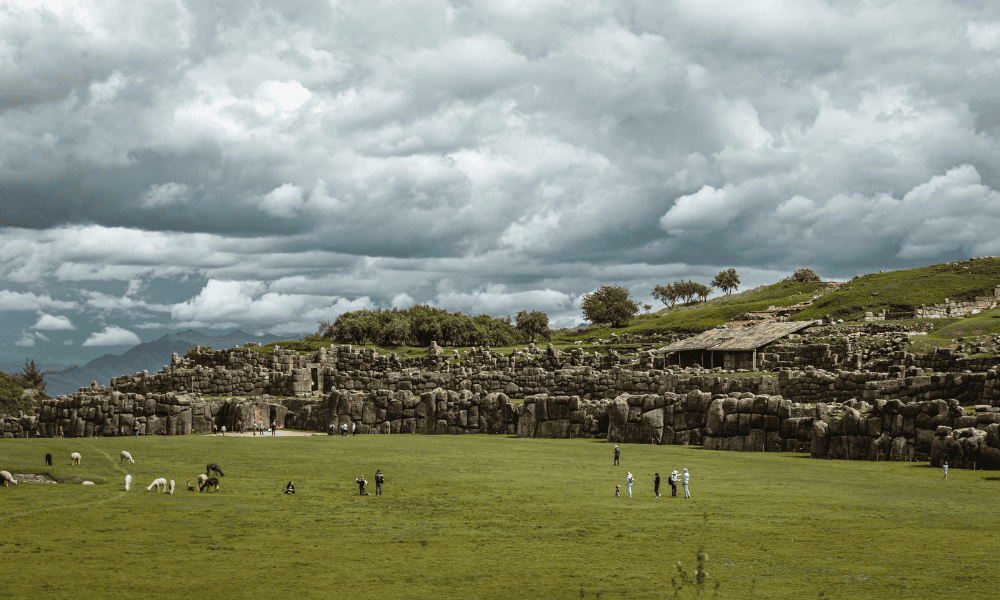
Sacsayhuaman sits on a hill above the city and is, without exaggeration, one of the most impressive things we saw in the whole of Peru. The zigzagging walls are built from stones weighing over a hundred tonnes each, fitted together without mortar so precisely that they’ve outlasted earthquakes that levelled colonial buildings around them.
Q’enco
Q’enco is smaller and stranger: a carved limestone outcrop riddled with tunnels, niches, and what’s believed to have been a ceremonial altar used in mummification rites. It takes twenty minutes at most, but it’s an easy add-on if you’re already up at Sacsayhuaman.
Puca Pucara
Puca Pucara, meaning “red fortress” in Quechua for the reddish tone its stones take on at sunset, sits a little further out than Sacsayhuamán and Q’enco. It’s thought to have worked as a checkpoint and resting point on the old road into the Sacred Valley, with terraces, storage rooms, and small lookout walls rather than any single dramatic structure. It’s a quieter stop, and usually a lot less crowded than the bigger sites nearby.
Tambomachay
Tambomachay, right next to Puca Pucara, is also known as the Inca’s Bath, a set of stone terraces built around channels and waterfalls that are still running today. It’s thought to have been a site for ritual bathing and water worship rather than anything defensive. Small, but a genuinely peaceful spot, and easy to combine with Puca Pucara and the other ruins in one trip.
👉 If you’d rather not deal with taxis between sites or hiring a guide on the spot, we’d recommend this half-day tour covering all four ruins (Sacsayhuamán, Q’enco, Puca Pucara, and Tambomachay). It’s a lot more time-efficient, and everything’s handled for you.
Cristo Blanco
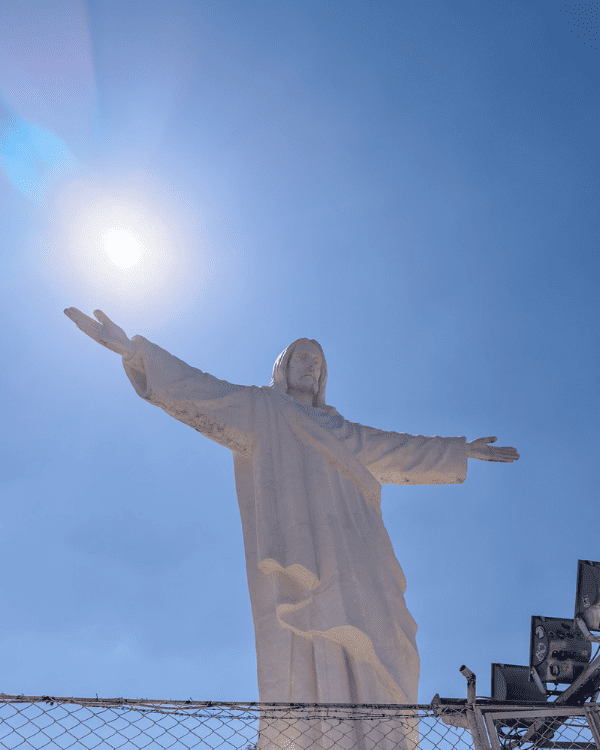
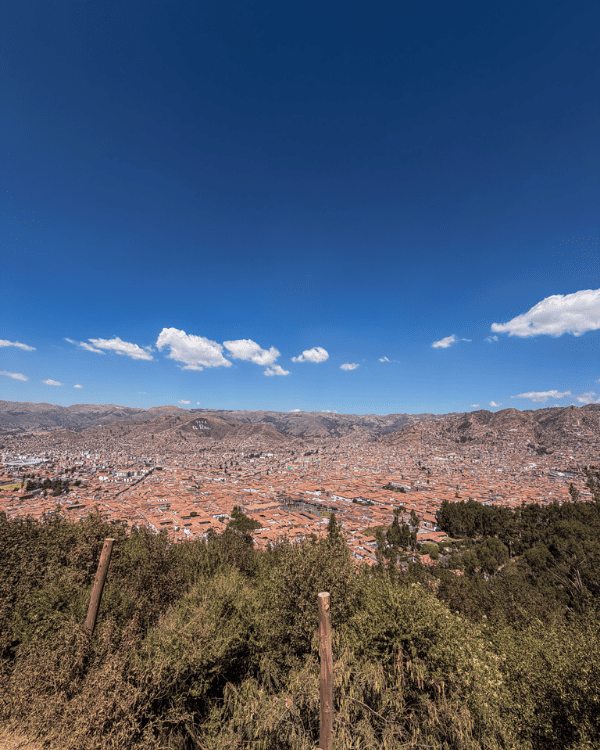
Cristo Blanco, the white Christ statue overlooking the city, is a short uphill walk from Sacsayhuaman and gives you one of the best free views in Cusco.
We walked up to this one ourselves, and honestly, the path isn’t very well maintained – doable, but we’d take a taxi next time, especially once the altitude has already worn you down a little. Time it for late afternoon and you’ll get the whole valley glowing gold below you.
Here’s the bit that trips people up: most of these sites, plus a chunk of the Sacred Valley, aren’t accessible with a standalone entry fee, only through the Boleto Turistico (Cusco Tourist Ticket). The full ticket runs S/130 (roughly $35 USD), covers 16 sites including Sacsayhuaman, Q’enco, Pisac, Ollantaytambo, Chinchero, and Moray, and is valid for 10 days.
If you only want the ruins immediately around the city, there’s a cheaper partial ticket for around S/70, valid for a day or two depending on the circuit. Buy either at the sites themselves or the main tourist ticket office on Avenida El Sol.
Note that the Cathedral and Qorikancha aren’t included in either ticket and need their own separate entry fee.
👉 If you’d rather not navigate all of that yourself, this half-day guided city tour covers Sacsayhuaman, Q’enco, and the historic centre in one go, entry included:
🚗 Best Day Trips from Cusco
Once you’ve covered the city itself, Cusco is also just a brilliant base for half and full-day trips into the surrounding countryside.
Rainbow Mountain and the Red Valley
Vinicunca, Rainbow Mountain, is probably the most photographed day trip out of Cusco, and it earns the hype, but it’s genuinely tough. You’re hiking at close to 5,000 metres, so this is one we’d save for later in your trip once you’re properly acclimatised, not your first days in the city.
Most tours start early to beat the crowds and the afternoon clouds that tend to roll in. If you have the energy left, the Red Valley next door has similarly striking mineral colouring and a fraction of the people.
The 7 Lakes Ausangate Trek
If Rainbow Mountain sounds like it’ll be too crowded for you, the Ausangate area is where we’d send you instead. This day trek takes you past a string of glacial lakes below Ausangate, one of the highest and most sacred mountains in the region, and it’s noticeably quieter than Vinicunca while being every bit as dramatic. Same altitude warning applies here: this is not a first-day-in-Cusco activity.
Machu Picchu, Without the Multi-Day Hike
If the Inca Trail itself isn’t for you, whether that’s timing, fitness, or just not wanting to commit four days to it, you can still see Machu Picchu on a full-day trip from Cusco by train and bus, no trekking required. It’s a long day, but it means Machu Picchu is genuinely achievable even if you’re short on time or not up for a multi-day hike.
The Cusco Animal Sanctuary
We spent a half-day at an animal sanctuary just outside the city that rescues and rehabilitates Andean wildlife: condors, pumas, and other animals that can’t be released back into the wild. It’s small, personal, and genuinely well organised, easily one of our favourite half-days near Cusco.
Horseback Riding to the Temple of the Moon
For something more active, a three-hour horseback ride out to the Temple of the Moon takes you through the hills above Cusco to Templo de la Luna, a small Inca ceremonial site carved into the rock, with some tours continuing on to a lookout point locally known as the Devil’s Balcony. It’s beginner-friendly and a quieter, slower counterpoint to the crowds at Sacsayhuaman.
A Day (or a Few) in the Sacred Valley
The Sacred Valley also makes for a great full or half-day trip from Cusco, and most operators run a version combining Pisac, Chinchero, and either Ollantaytambo or Moray and Maras into one long day.
We didn’t do it as a packaged tour ourselves; we based ourselves there for a few days at a slower pace instead, including Pisac from Cusco as its own half-day.
If you’re short on time, a Sacred Valley day tour is a completely reasonable way to hit the highlights, and if you have the extra days, our 3-week Peru itinerary covers exactly how we structured it and what we’d genuinely recommend.
🛍️ Shop Until You Drop
Cusco is one of the best cities in Peru for shopping, and San Pedro Market and San Blas are both excellent for it: alpaca wool sweaters, ponchos, hand-thrown ceramics, and silver jewellery, all at better prices than you’ll find at Lima airport on your way home.
Always negotiate, pay in cash where you can (it noticeably improves the price), and ask directly whether a sweater is baby alpaca or a synthetic blend before you pay baby-alpaca prices for it. A lot of stalls won’t volunteer the distinction unless you ask.
🍽️ Where to Eat in Cusco
Cusco’s food scene punches well above its size, mixing traditional Andean ingredients with a genuinely exciting modern Peruvian dining scene.
🌎 Exploring beyond Cusco? Our region-by-region guide to food in Peru covers what to eat in Lima and Arequipa too, not just here.
Kusykay
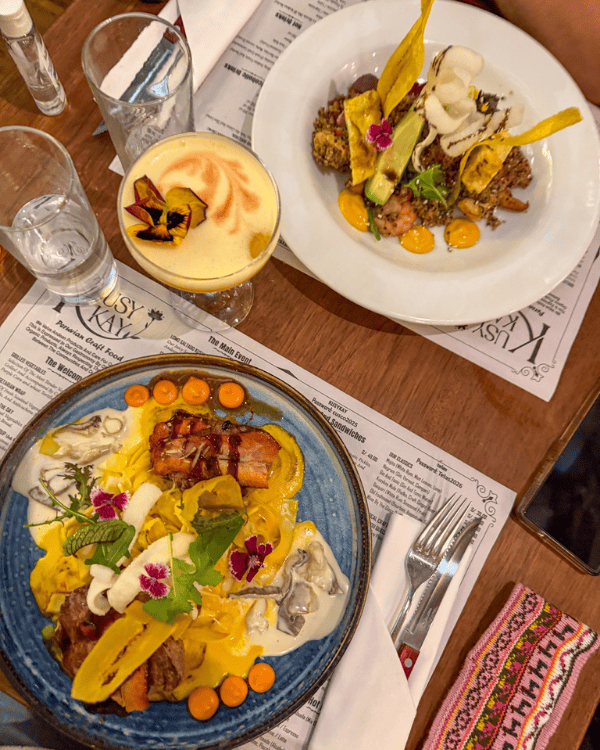
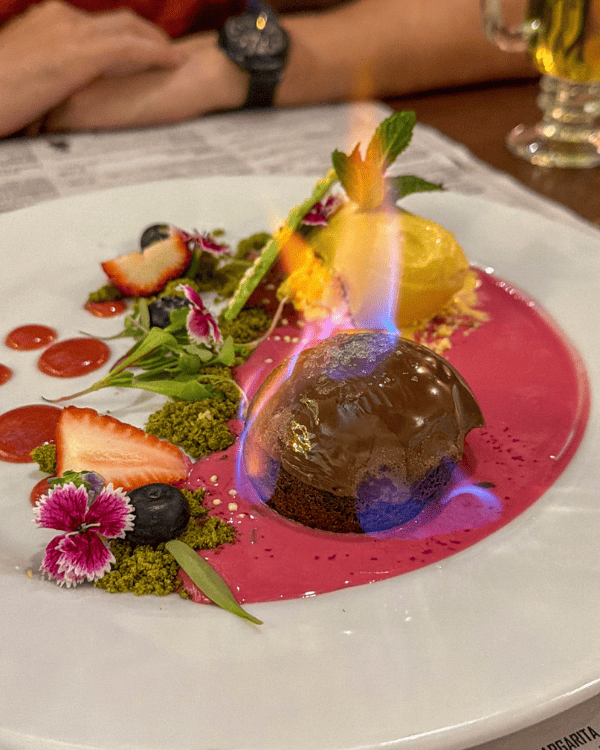
Our favourite meal in the city was at Kusykay, a rooftop restaurant just steps from Plaza de Armas serving modern Peruvian cooking built around local, seasonal ingredients. Plated properly, but without the fuss or price tag of Cusco’s flashier tasting-menu spots. We’d go back for the ceviche alone. It’s popular, so book ahead if you can.
Rooftop Dining Around the Plaza
More generally, book a table at one of the rooftop restaurants overlooking Plaza de Armas for sunset. The food at most of them is decent rather than exceptional, but the view over the Cathedral as the light changes is worth it on its own.
Chicherias, for Cuy and Chicha
If you want to eat the way Cusco actually eats, find a proper chicheria, a family-run spot serving chicha (fermented corn beer) alongside cuy (guinea pig) and other traditional dishes. Look for the red plastic bag or flag hanging outside a doorway; that’s the local signal a chicheria is open and pouring.
🍽️ Want the full list? We wrote a dedicated Cusco restaurant guide covering rooftop views, cuy, Italian, vegan, and our single favorite meal in the whole country.
📋 Practical Tips for Visiting Cusco
When to Go
Dry season (May to September) gives you the most reliable weather and the best conditions for ruins and day trips, but it’s also peak season, so expect higher prices and busier sites, especially June to August. We’d point you toward late April, May, or September for the best balance of good weather and manageable crowds.
Rainy season (November to April) means lower prices and thinner crowds, with rain typically falling in the afternoon rather than all day. January and February are the wettest months, and the Inca Trail itself closes for maintenance every February.
Getting There and Around
Most visitors fly into Cusco from Lima, a roughly ninety-minute domestic flight. Book with some buffer time either side, since Peru’s domestic flights get delayed or cancelled more often than you’d like, especially around Cusco’s frequent weather-related closures.
Inside the city, everything in the historic centre is walkable, if hilly. Uber technically operates in Cusco, but coverage is patchy and wait times can be long; inDrive tends to have more drivers actually available, so it’s worth having as a backup. Otherwise, taxis are easy to flag down, and most hotels can call you a trusted driver directly.
Connectivity
Get an Airalo eSIM installed before you land. It’s the easiest travel hack we use anywhere now, honestly – instant data the second you land, no hunting for a SIM kiosk, no roaming bill waiting for you when you get home.
👉 Packing for the Inca Trail from here? Our complete Inca Trail packing list covers everything we wish we’d known beforehand.
❓FAQs: Best Things to Do in Cusco
How many days do you need in Cusco?
Budget a minimum of three full days in Cusco itself – one to acclimatise and explore on foot, one for the ruins and museums, and one as a buffer or day trip – before factoring in any time in the Sacred Valley or on the Inca Trail.
Is Cusco safe to visit in 2026?
Yes. Cusco’s tourist areas are well policed and see very few serious incidents. The US State Department’s Level 2 advisory for Peru is about petty theft and scams rather than anything targeting tourists, and the higher-risk VRAEM region doesn’t include Cusco, the Sacred Valley, or Machu Picchu.
Do you need the Boleto Turistico?
Yes, if you want to visit Sacsayhuaman, Q’enco, or most other ruins around Cusco and the Sacred Valley. They’re not accessible with a standalone entry fee, only through the Boleto Turistico.
What’s the best time to visit Cusco?
Late April, May, or September give you the best mix of dry weather and manageable crowds. June through August is peak season, with the most reliable weather but the highest prices and biggest crowds.
How do you deal with the altitude in Cusco?
Rest for your first day or two, drink more water than you think you need, go easy on alcohol on arrival, and drink the coca tea – it’s offered everywhere, and it genuinely helps.
Here’s everything from this guide pinned on one map, so you can see it all at a glance and plan your days around what’s actually close together.
❤️ Our Final Word on Cusco
We came to Cusco expecting Inca ruins and left thinking about San Blas at dusk, the smell of fresh bread on a cobbled street, and a plate of ceviche at a restaurant we nearly walked past. That’s the thing about Cusco: the list of things to do is genuinely extraordinary, but it’s the moments in between that you’ll actually remember.
Take it slower than you think you need to. Let the altitude force you to, if nothing else does.
*Heads up, fellow travelers! Some of the links on this site are affiliate links, which means if you make a purchase or book an activity through them, we may earn a small commission (at no extra cost to you!). We only recommend things we absolutely love and believe will enhance your adventure. Your support helps us keep this site going, so thank you for being part of our journey!
Written by Ru & Tiago
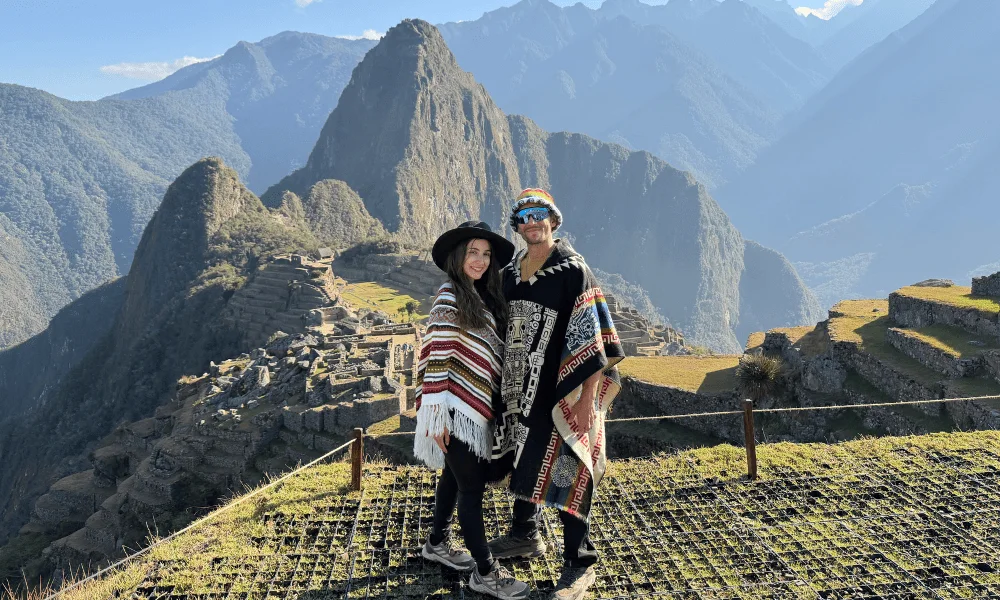
We spent several days exploring Cusco in July and August 2026 as part of a three-week route across Peru. Based in Geneva, we specialise in honest, active trip guides built around real experience, not recycled checklists.