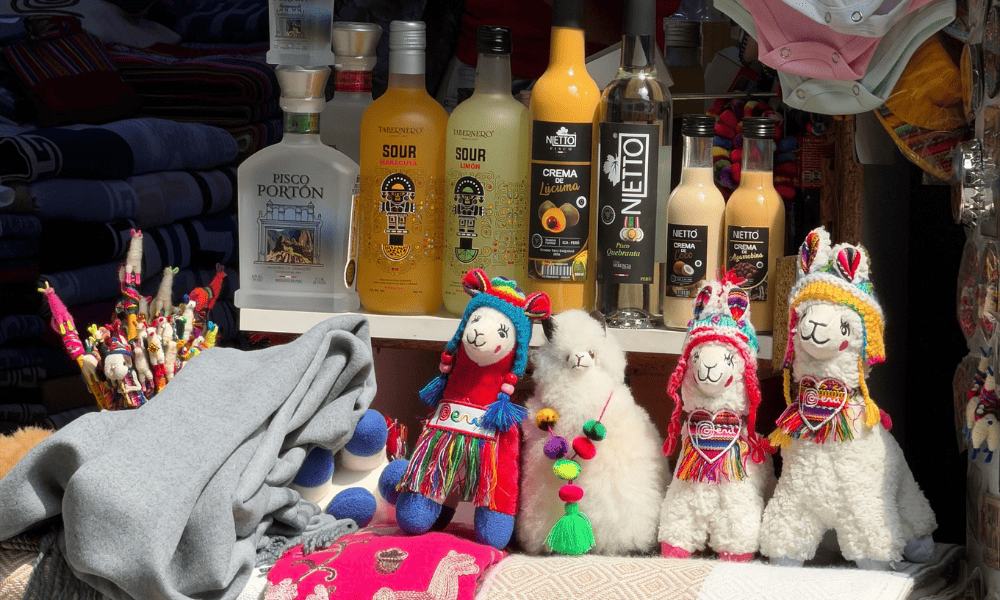
Before our trip, we spent evenings googling what to buy in Peru. We kept landing on the same vague lists: “alpaca sweaters, pottery, done.”
Nobody told us how to spot fake baby alpaca, which pisco isn’t really pisco, or why every rooftop in the Andes has two little bulls on it.
So after three weeks and one very overweight suitcase, we wrote the guide we wish we’d had. It has real prices, where we found the best deals, and the things we’d skip.
⚡ The short version: buy baby alpaca from a proper boutique, Maras salt, Peruvian chocolate and a pair of Toritos de Pucará. Skip “vicuña” from market stalls, anything pre-Columbian, and coca tea.
👉 Planning the rest of your trip? Start with our 3-week Peru itinerary, then Best Things to Do in Cusco, Best Restaurants in Cusco, Food in Peru and 2 Days in Lima.
*Heads up, fellow travelers! Some of the links on this site are affiliate links, which means if you make a purchase or book an activity through them, we may earn a small commission (at no extra cost to you!). We only recommend things we absolutely love and believe will enhance your adventure. Your support helps us keep this site going, so thank you for being part of our journey!
What to Buy in Peru at a Glance
| 📍 Best place to shop | Cusco (best variety and prices we found) |
|---|---|
| ⭐ Top souvenir | Baby alpaca clothing |
| 💵 Currency | Peruvian soles; carry cash for markets |
| 🤝 Haggling | Yes in markets, politely. Rarely in boutiques |
| 💶 Budget | €2 bracelets to €200+ baby alpaca ponchos |
| 🧳 Luggage tip | Textiles are light but bulky, so leave space |
| 🏷️ Prices in this guide | Euros, from what we paid or saw in 2026 |
If your suitcase is tight, this is our short list:
- A baby alpaca scarf or sweater from a certified boutique
- A pair of Toritos de Pucará
- Maras salt and Peruvian chocolate for gifts
- A painting from San Blas (ours are now our favourite souvenirs)
- A tiny bronze bell from Ollantaytambo
Alpaca & Andean Textiles: What’s Worth Your Money
The best thing to buy in Peru is clothing made from Andean fibres, ideally baby alpaca. Peru’s high-altitude animals produce some of the finest natural fibres in the world, and prices are much lower than in Europe.
Here’s how the fabrics compare:
| Fabric | Feel | Durability | Sweater price (our experience) |
|---|---|---|---|
| Vicuña | Softest fibre in the world | Very delicate | €2,500+ |
| Baby alpacaOur pick | Silky, very warm | Delicate | €150–200+ |
| Alpaca | Soft but slightly coarser | More resistant | €70–80 |
| Alpaca blend | Closer to cotton or wool | Most resistant | Cheaper, so check the label |
Prices are what we saw and paid in 2026.
1. Vicuña: the “fibre of the gods”
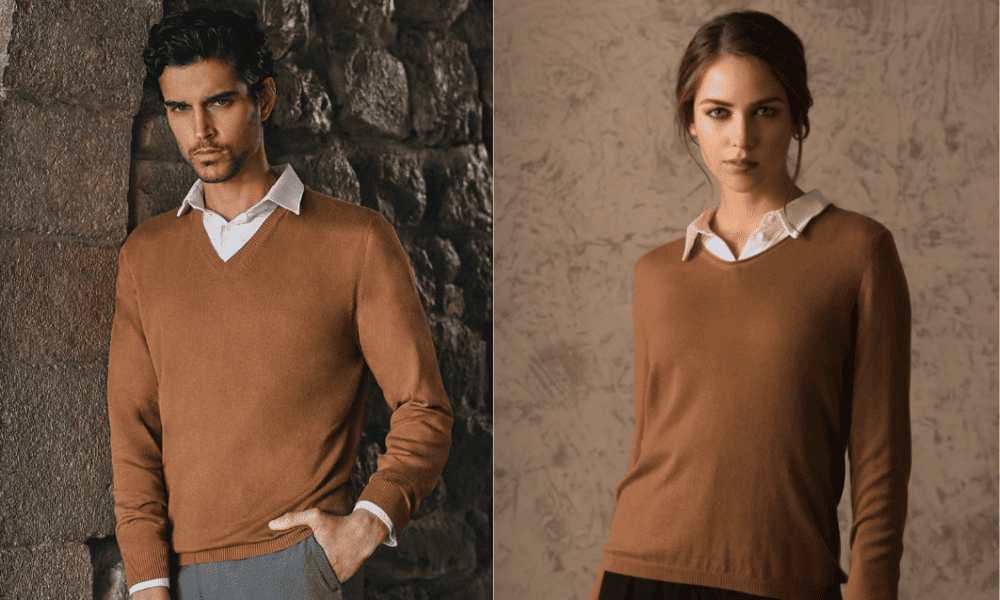
Vicuña is a wild relative of the alpaca, and its wool was once reserved for Inca royalty. Buying it isn’t illegal, but it’s tightly controlled.
Vicuñas are protected, so they’re rounded up and sheared alive in community ceremonies called chaccus, only every two to three years. Legal products come with official paperwork, and Peruvian pieces carry a “Vicuña Peru” certification label.
That rarity is why the price is eye-watering. Expect around €1,800 for a scarf and €2,500+ for a sweater in certified stores like Kuna. We touched one, sighed, and walked away.
💡 Ru & Tiago’s tip: If someone at a market offers you “vicuña” for €200, it isn’t vicuña. Real vicuña is sold only in certified stores, with paperwork.
2. Baby alpaca: the one to buy
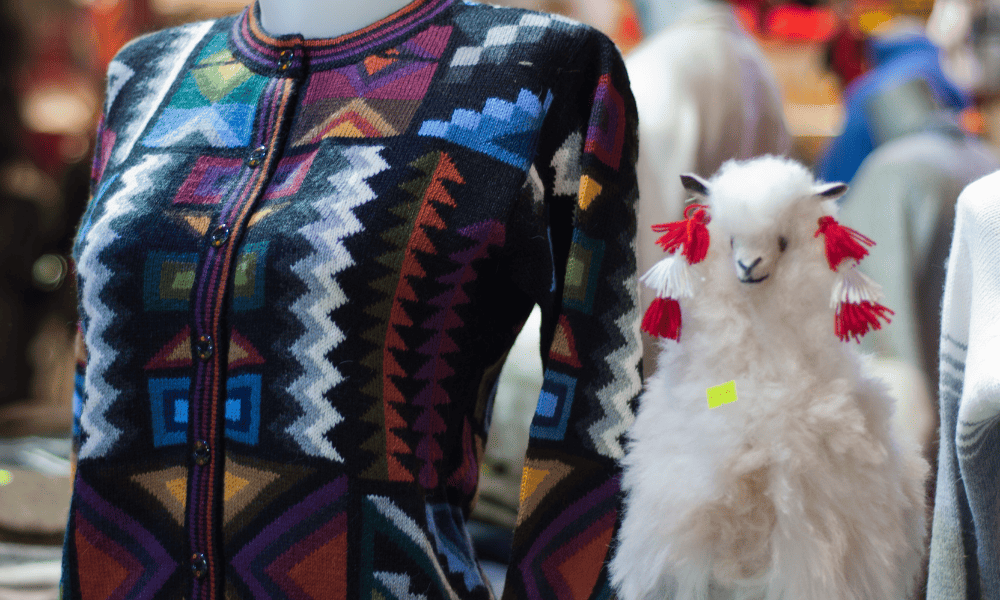
Here’s what we didn’t know: baby alpaca doesn’t come from baby alpacas. It’s a grade of the finest fibre, measured in microns rather than by the animal’s age. Most of it comes from an alpaca’s first shearing.
It’s incredibly soft, breathable and a brilliant insulator: warm on cold Andean nights, never sweaty.
You’ll find hats, gloves, hand warmers, headbands, socks, scarves, sweaters and ponchos. Just know it’s not cheap: socks around €20–30, hats €50+, sweaters and ponchos €150–200+.
It’s also delicate, so it’s not for rough everyday wear, and it can’t go in the washing machine.
3. Alpaca and alpaca blends
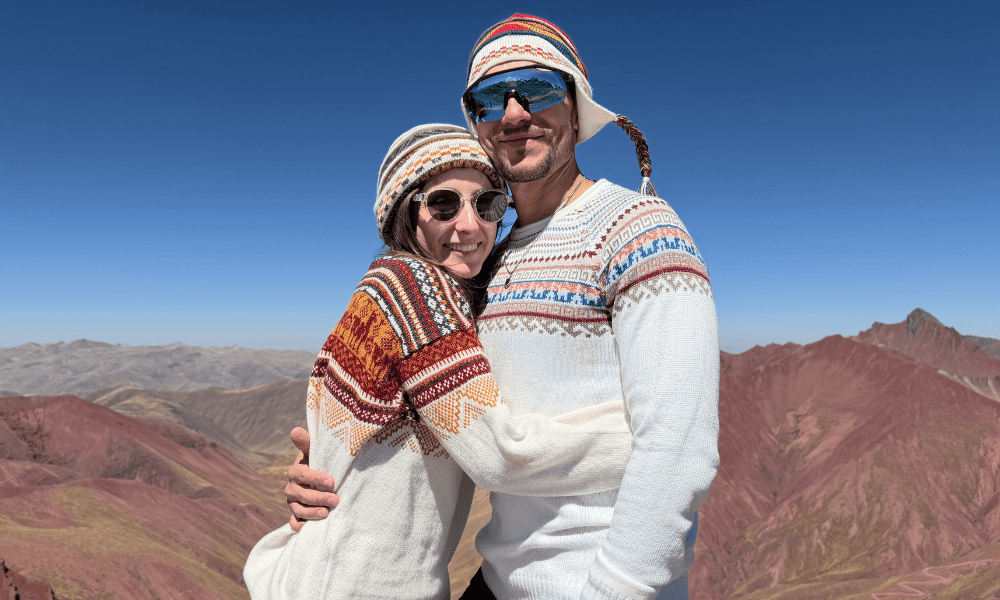
Regular alpaca is a thicker, rougher fibre, but that makes it more resistant and longer-lasting. We bought alpaca sweaters for €70–80 and they still look new.
Alpaca is often mixed with wool or cotton, so a blend feels closer to cotton. Always check the label or ask.
Most vendors we met were honest about alpaca and blends. The lying tends to start at “baby alpaca.” Like baby alpaca, hand wash only.
🦙 Meet the animals: We did this animal sanctuary tour near Cusco and it was personal and well organised, easily one of our favourite half-days near Cusco.
4. Ponchos
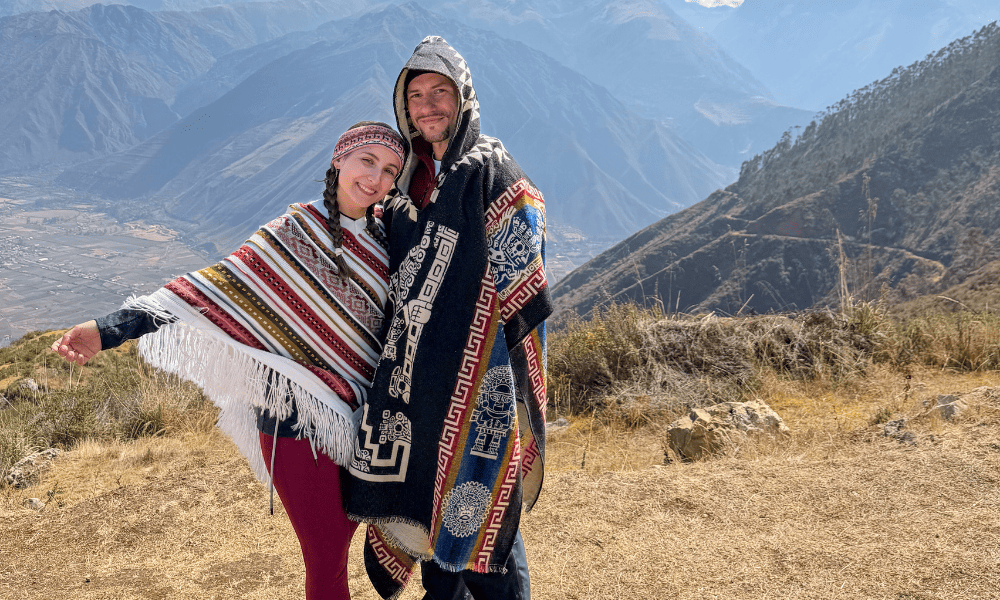
The poncho is the classic Peruvian souvenir. We bought blended ones because we don’t wear ponchos anywhere else, so premium quality wasn’t worth it for us.
If you’ll wear yours at home, go for alpaca. If it’s a gift or a wall hanging, a blend is plenty.
5. Chullos and sombreros
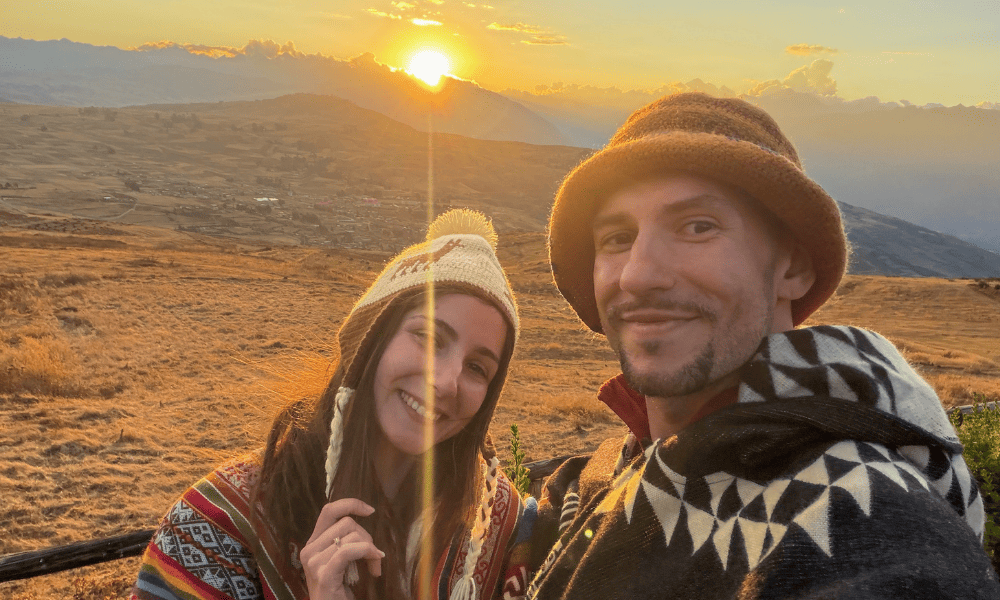
The chullo is the knitted Andean hat with ear flaps and tassels, often with llama patterns. You’ll also see locals wearing felt sombreros that change style from region to region.
Both make fun, wearable gifts, and both squash flat in a suitcase. Try them on, because the fit varies a lot between stalls.
6. Handmade bags
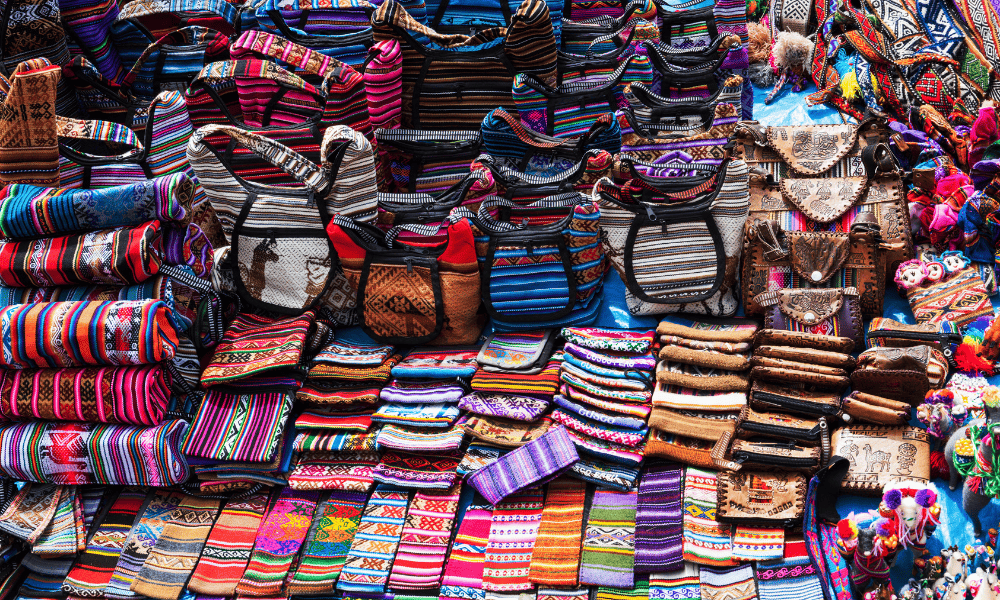
Woven bags and backpacks in bright Andean patterns were some of the prettiest things we saw. Check the stitching and zips, and pick one you’d actually use at home.
7. Home textiles
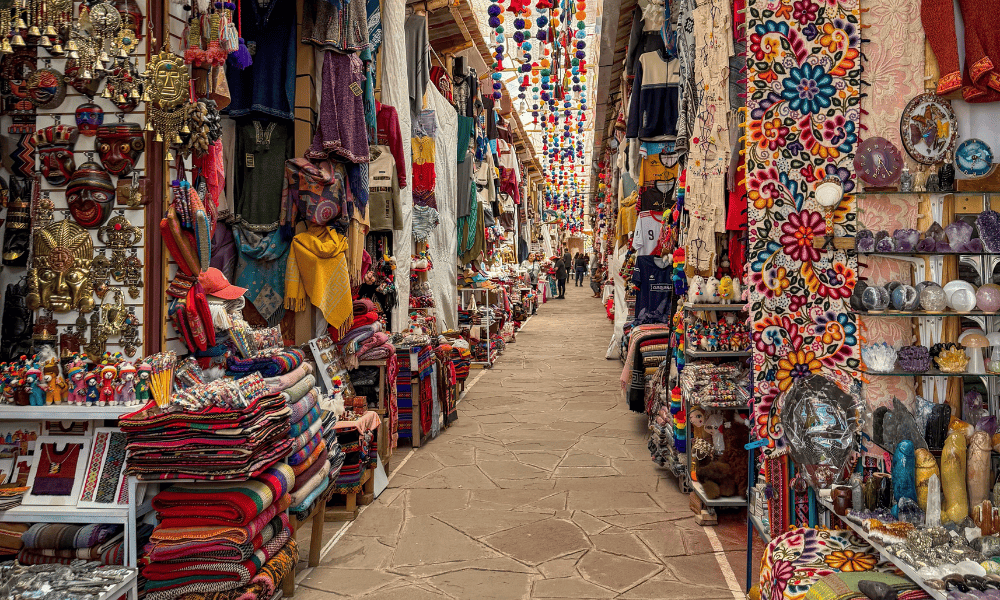
Pillow covers, table runners, blankets and wall hangings in alpaca or handwoven cotton are an easy way to bring Peru’s colours home. They pack flat.
8. Pompoms
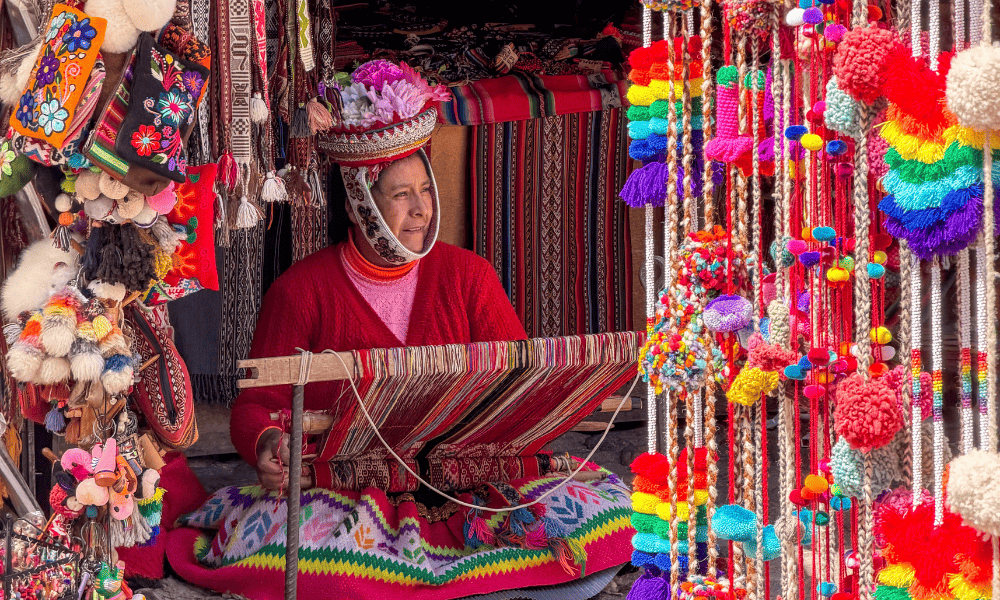
Strings of pompoms in natural dye colours are cheap, light and surprisingly cute as decoration. They weigh next to nothing, which makes them the easy win when your suitcase is full.
💡 Ru & Tiago’s tip: For anything labelled baby alpaca, buy from proper boutiques and stores, not market stalls. It’s much more likely to be real.
How to Tell Real Baby Alpaca From Fake
Lots of vendors sell acrylic or blends as “baby alpaca.” Here’s our checklist:
- The price makes sense. A “baby alpaca” sweater for €15 is not baby alpaca.
- It feels cool at first touch. Real alpaca feels slightly cool, then warms up in your hand. Synthetics feel neutral or warm straight away.
- It doesn’t itch. Rub it on your neck or inner wrist. Real baby alpaca is silky, not scratchy.
- It has some weight. Real baby alpaca feels substantial. Acrylic knits feel noticeably lighter.
- Check the inside. Fakes are often brushed on the outside to feel soft, but feel rougher inside.
- It’s not shiny. Real fibre has a soft, natural sheen, not a plastic gloss.
- The label is specific. Look for “100% baby alpaca” and a brand name. Blends should list their percentages.
- Burn test (ask in the shop). Some stores will burn a loose thread for you. Real alpaca smells like burnt hair and turns to ash. Synthetics melt into a hard bead.
Certified stores such as Kuna, Sol Alpaca and Qinti are a good place to feel the real thing first, so you know what you’re comparing against.
🧼 Care tip: Hand wash in cold water with gentle wool soap and dry flat. Never tumble dry.
Food & Drink Souvenirs That Survive the Flight
9. Pisco
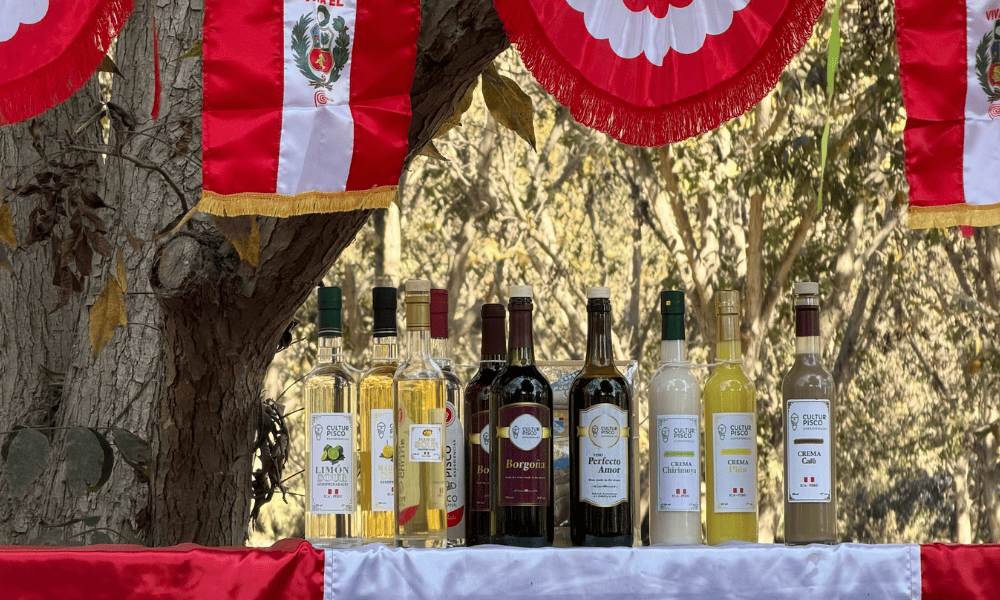
Peru’s national spirit comes in a few styles. Puro is made from one grape variety, such as quebranta or italia. Acholado is a blend. Mosto verde is distilled from partly fermented grape must. Quebranta is the usual choice for cocktails, and italia is lovely for sipping.
Careful: the cheap bottles in souvenir shops are sometimes not real pisco. Real pisco is made only from distilled grapes, with nothing added.
Look for “Denominación de Origen Pisco” on the label, plus the certificate number, grape variety, valley of origin and harvest year. Buy sealed glass bottles from a proper shop and keep the receipt. Indecopi’s official pisco guide (in Spanish) explains every label detail.
Flavoured “crema de pisco” and liqueurs are fine as gifts, but they aren’t pure pisco. Want to know what to do with a bottle? Our Food in Peru guide covers the pisco sour and the chilcano.
💡 Ru & Tiago’s tip: Pack bottles in your checked luggage, wrapped in your new alpaca sweater. Many European countries allow 1 litre of spirits duty-free, but check your own country’s limit.
10. Peruvian chocolate
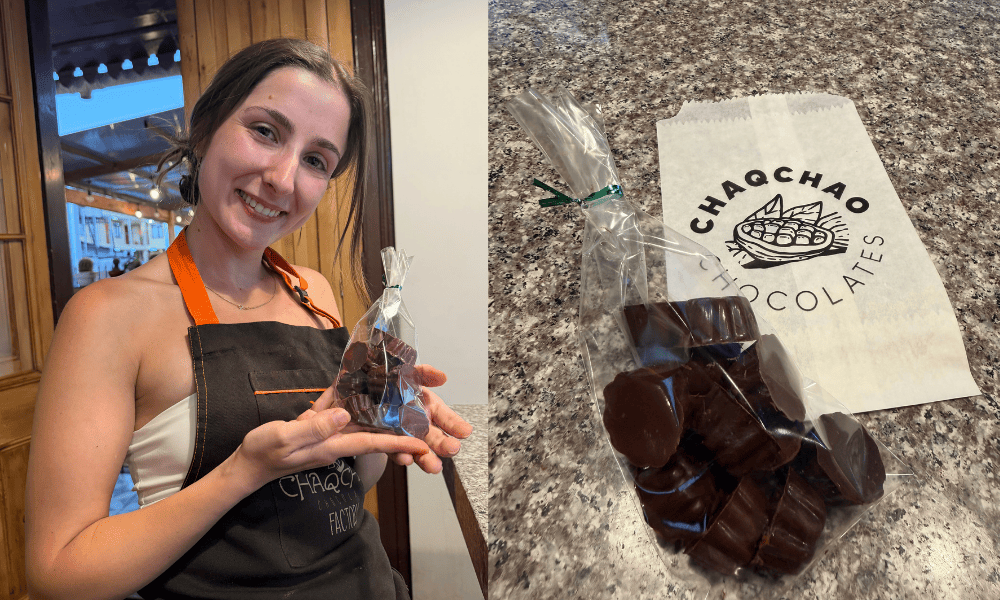
Peru grows some of the world’s best cacao, and the chocolate shops in Cusco are dangerous for your wallet. Look for flavours you won’t find at home. Our favourites were passion fruit (maracuyá) and aguaymanto (golden berry), both completely unique.
We also did the chocolate-making workshop at in Arequipa (more in our Food in Peru guide), and it’s a fun way to learn about cacao.
🍫 Hands-on option: We did this exact chocolate workshop in Arequipa, and it was one of our favourite activity in Peru! We also got plenty of chocolate for home.
11. Maras salt
The salt pans of Maras in the Sacred Valley have been worked since pre-Inca times. You can buy pink salt, black smoked salt, spicy salt, herb salts and more. It’s light, cheap and a great gift for anyone who cooks.
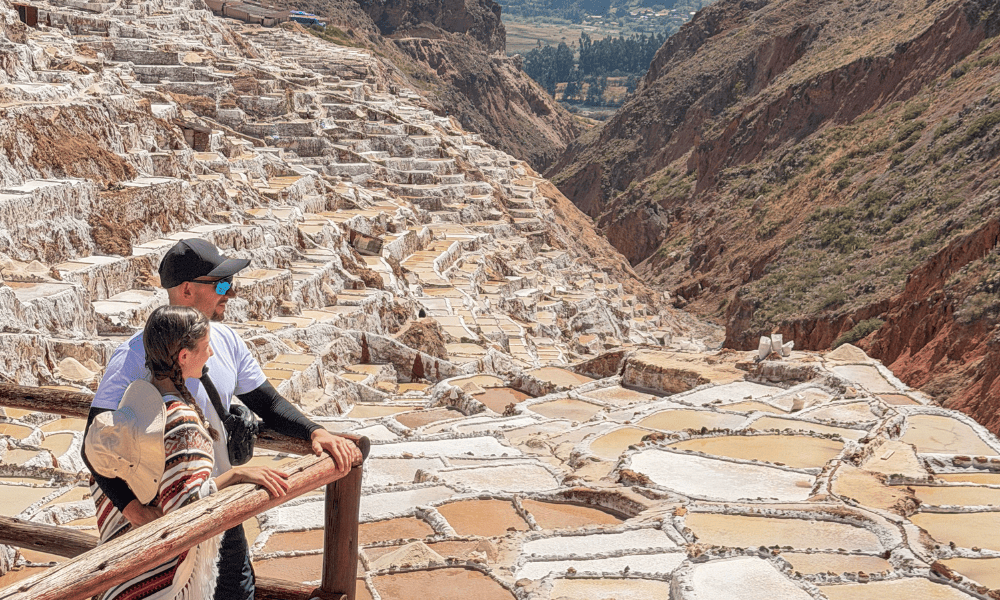
🧂 Visiting the salt mines? This Sacred Valley and Moray salt mines day tour from Cusco covers the pans and the Moray terraces in one day.
12. Muña tea
Muña is an Andean mint locals drink for digestion and altitude. Unlike coca tea, it isn’t a controlled substance, so it’s the safe swap.
Dried herbs still count as plant products at some borders. The US and Australia both ask you to declare them. Tea bags are usually easier than loose leaves.
13. Peruvian coffee
Peru is a big organic coffee producer, and bags of beans from the highlands and cloud forest make an easy, crowd-pleasing gift. Buy from a café or roaster rather than a souvenir stand, so you know when it was roasted.
Home Décor & Lucky Charms
14. Toritos de Pucará (the little bulls)
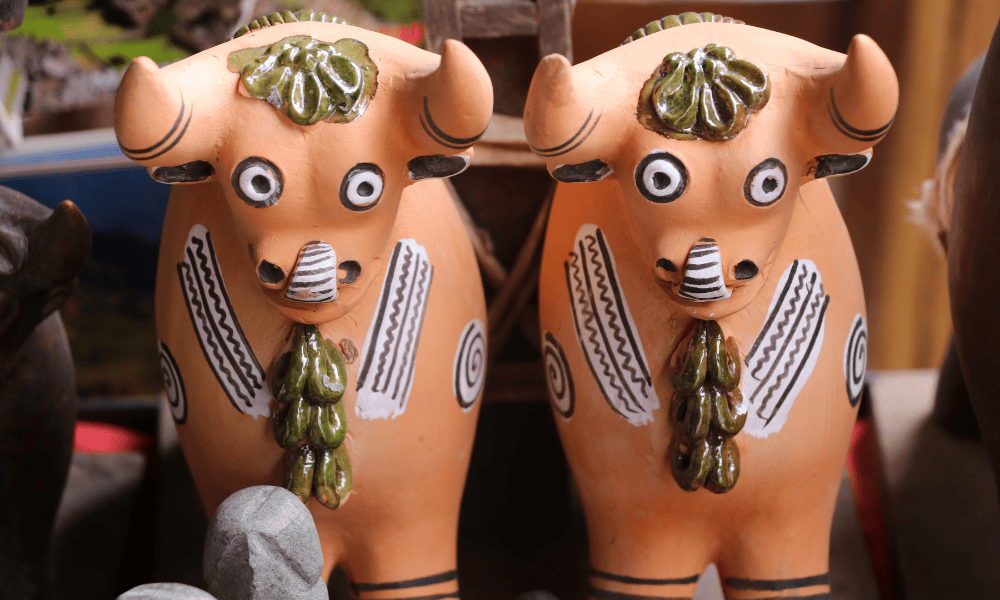
You’ll see pairs of ceramic bulls on rooftops all over the Andes. These Toritos de Pucará come from Pucará, on the Puno plateau near Lake Titicaca. They’re believed to protect the home and bring prosperity and fertility.
They’re always displayed in pairs, so always buy two, never one. They’re traditionally a gift for couples. Some workshops in Cusco even let you paint your own.
Fun fact: Peru declared the traditional technique for making them National Cultural Heritage in 2019.
15. Bronze bells from Ollantaytambo
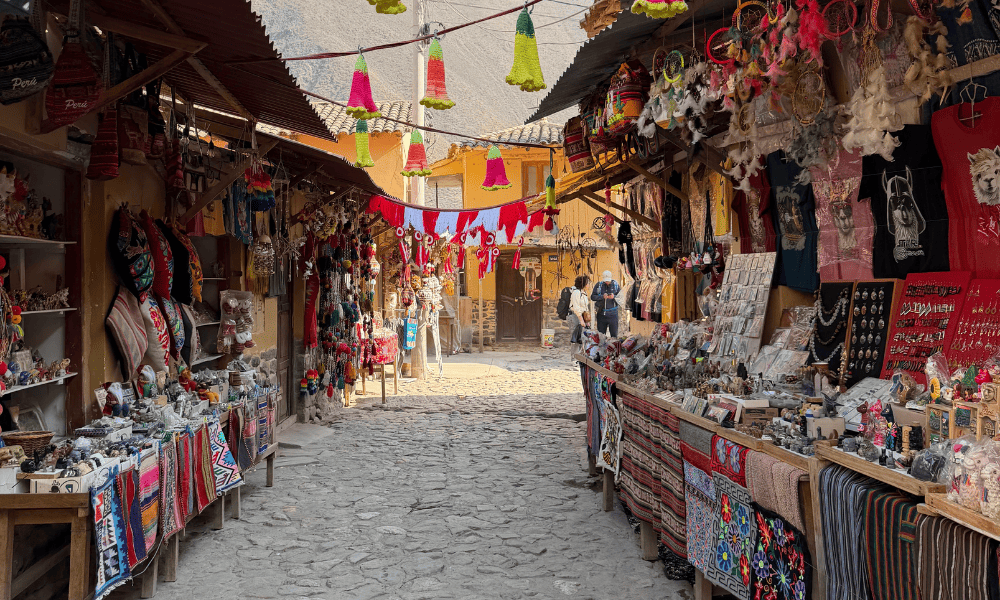
One of our most unique finds: small bronze bells from the Ollantaytambo market. We were told they bring good energy, and they sound lovely hanging at home.
Ollantaytambo is our favourite town in Peru (see our 3-week Peru itinerary), so it’s worth leaving time to browse the market.
16. Paintings
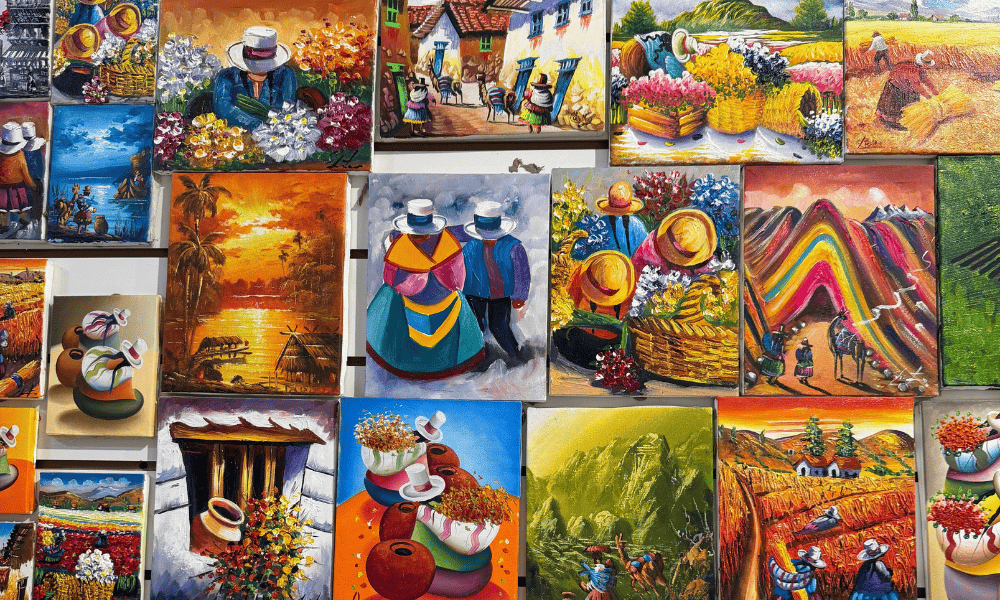
Cusco is full of art, in galleries and from artists selling on the street, especially around San Blas (see our Best Things to Do in Cusco guide). We bought paintings that are now our favourite souvenirs.
Unframed canvases are easy to transport, because the seller packs them in cardboard. For oil paintings, ask them to roll it paint-side out rather than fold it.
17. Llama and alpaca plushies and keychains
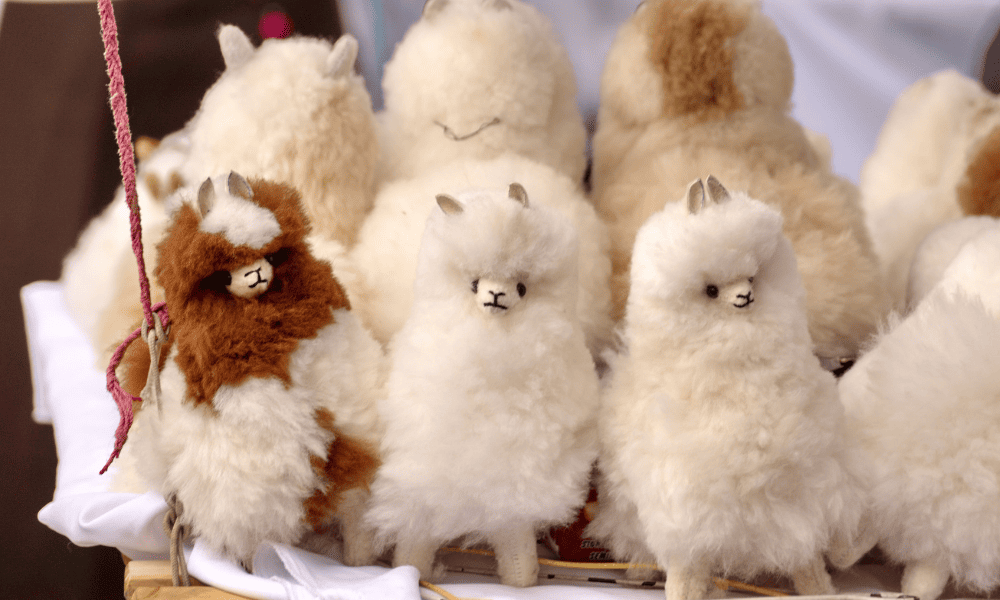
They’re everywhere, and yes, they’re cute. We bought one for home and a bag of tiny keychains as gifts for friends.
Jewellery, Stones & Small Gifts
18. Stones and minerals
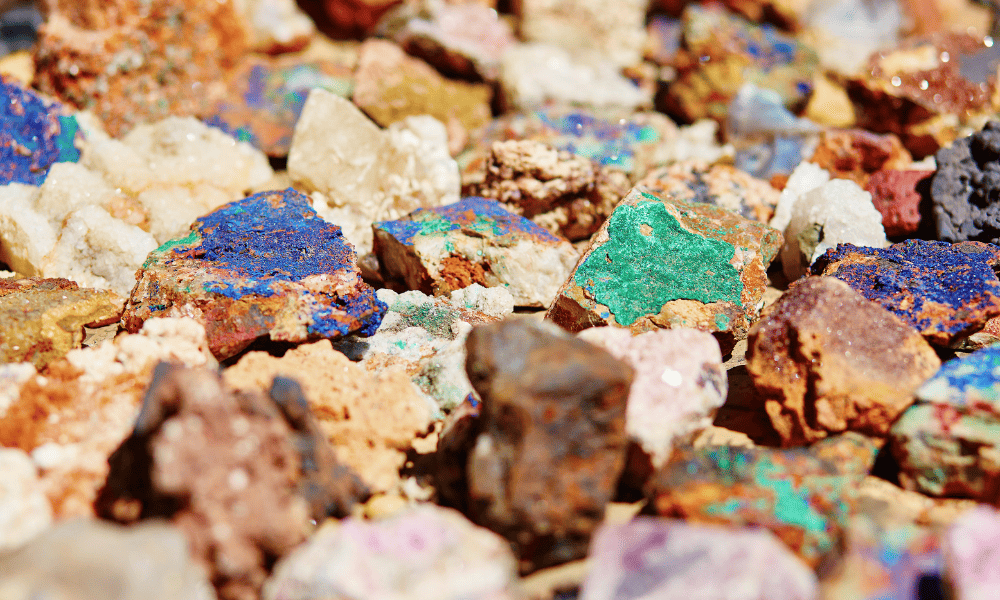
Peru is incredibly rich in minerals, including Peruvian pink and blue opal, pyrite and chrysocolla. You’ll find them raw or polished into jewellery. Buy from licensed stores so you know they’re real.
19. Silver jewellery
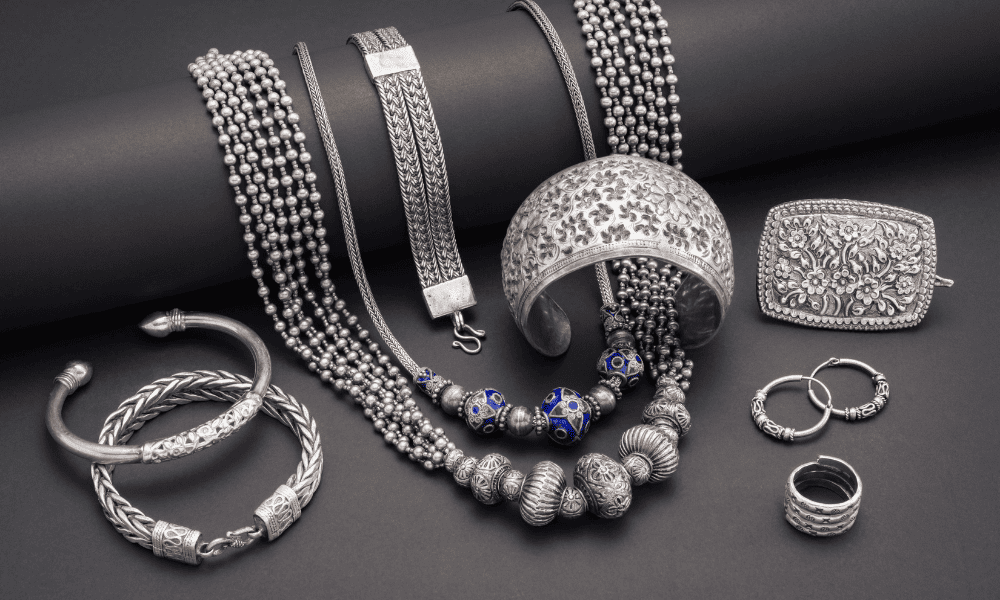
Peruvian silver is popular because it’s cheaper than in Europe. Look for a 925 or 950 stamp, which guarantees the silver content.
20. Colourful bracelets
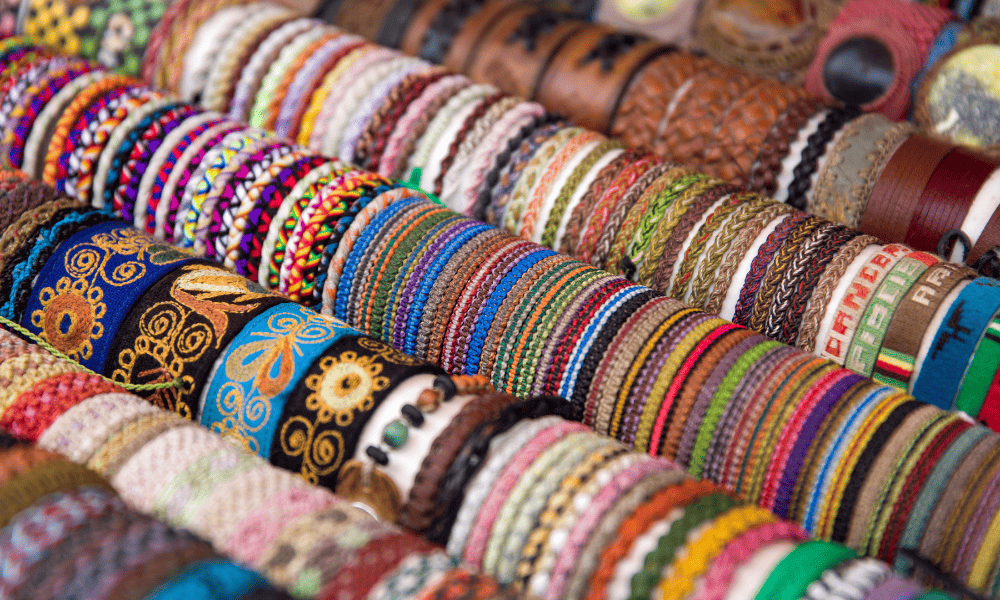
Bright woven bracelets, many with llama and alpaca motifs, cost almost nothing. They’re perfect small gifts and a nice memory on your wrist.
21. Musical instruments
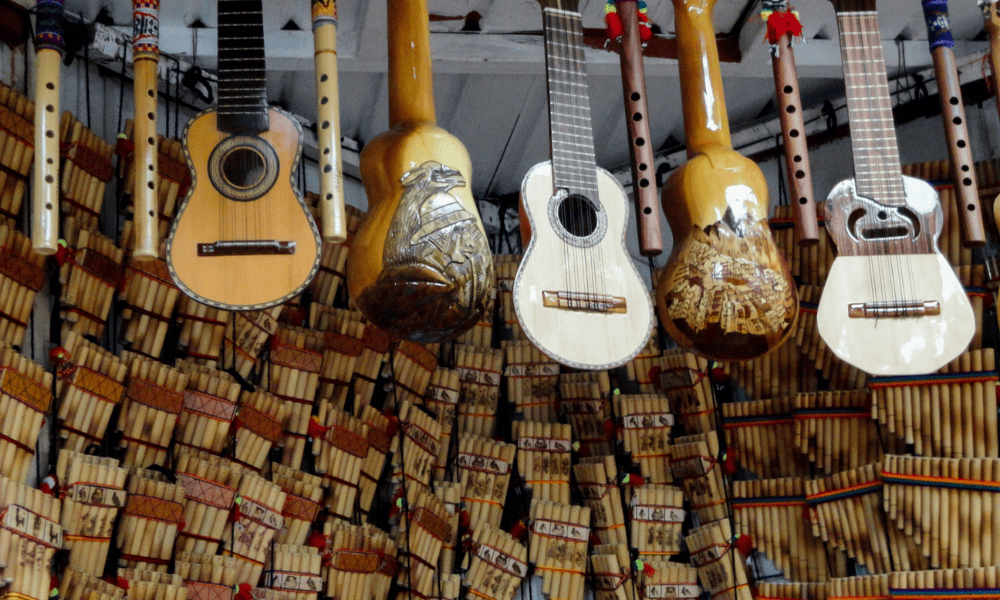
Look for the charango (a small Andean guitar), quena flutes, zampoña panpipes and rainsticks. Avoid charangos made from armadillo shell.
22. Ceramics
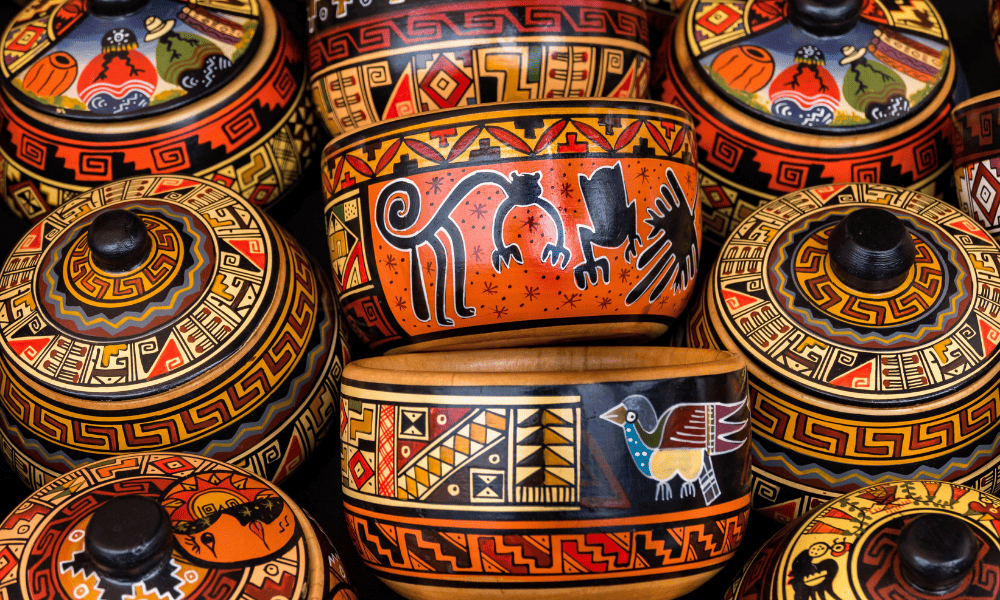
We didn’t buy any (suitcase space!), but Peru has a long pottery tradition, from Inca-style designs in Cusco to colourful pieces from Ayacucho. Pack them carefully.
If you’re tempted by replica Inca pottery, buy from a reputable shop and keep the receipt. Genuine pre-Columbian pieces can’t leave Peru (see “What NOT to Bring Home” below).
Where to Shop for Peru Souvenirs: Cusco vs Pisac vs Chinchero
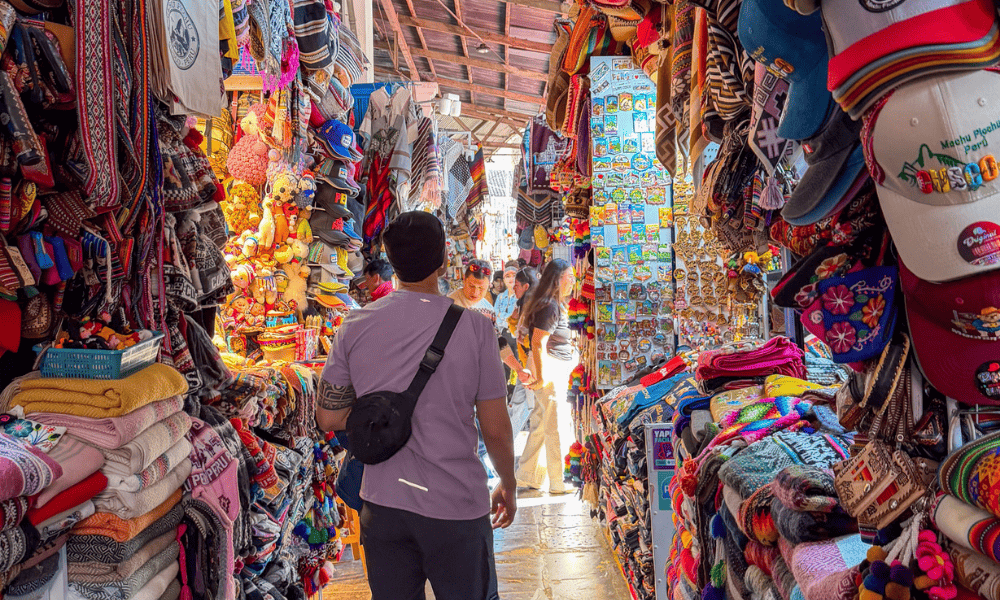
Cusco had the best deals and the most variety. Between the boutiques around Plaza de Armas, San Blas for art, and San Pedro Market, you can find almost everything here.
- Cusco: For one-stop shopping, Centro Artesanal Cusco has around 340 stalls. The Centro de Textiles Tradicionales del Cusco is a non-profit weavers’ collective with a textile museum and shop.
- Pisac market: Famous and fun to browse, and we picked up souvenirs there on our Pisac day (see our 3-week Peru itinerary). It wasn’t much cheaper than Cusco, so we wouldn’t go just to shop.
- Chinchero: Not cheaper either, but the weaving cooperatives show you how textiles are made, and your money goes straight to local families.
- Ollantaytambo: Smaller market, but that’s where we found our bronze bells.
- Lima and Arequipa: Good boutiques, but less variety and choice than Cusco. In Lima, the Mercado Indio in Miraflores is useful for last-minute shopping. Our 2 Days in Lima guide covers the historic-centre stalls too.
💡 Ru & Tiago’s tip: Haggle politely at markets and pay in soles. You’ll get better prices than in dollars. In boutiques, prices are usually fixed.
👉 Planning your shopping around the sights? Read our Best Things to Do in Cusco guide.
Buying & Packing Tips
Cash and haggling
Carry soles for markets. Haggle politely at stalls, and don’t bother in boutiques or certified stores.
Packing
Leave space in your suitcase, because textiles are light but bulky. Wrap pisco in your new alpaca sweater and pack it in checked luggage.
Customs and receipts
Keep receipts for pisco, vicuña and anything that could be mistaken for an antique. Declare plant products if your country asks, and check your own alcohol allowance before you fly.
What NOT to Bring Home From Peru
- Coca leaves, coca tea and coca candies: legal in Peru, but illegal in the US and most other countries. US customs confiscates them. Take muña tea instead.
- Archaeological artefacts: Real pre-Columbian pieces can’t legally leave Peru, and customs can stop replicas that look authentic. Buy replicas from reputable shops and keep the receipt.
- Anything made from wild animals: feathers, skins or shells from protected species.
- Uncertified “vicuña”: It’s either fake or illegal.
FAQ: What to Buy in Peru
What is the best souvenir to buy in Peru?
Baby alpaca clothing. It’s soft, warm, made in Peru and much cheaper than at home. For smaller budgets, alpaca blends, Maras salt and Peruvian chocolate are great options.
Is baby alpaca from baby alpacas?
No. “Baby alpaca” is a grade for the finest fibre, most often from an alpaca’s first shearing. It isn’t wool from young animals.
What is the difference between baby alpaca and alpaca?
Baby alpaca is finer, silkier and more delicate (€150–200+ for a sweater in our experience). Regular alpaca is slightly coarser but more durable and cheaper (€70–80).
How can you tell if baby alpaca is real?
Real baby alpaca feels cool at first touch, doesn’t itch, has some weight and a soft sheen rather than a plastic gloss, and is priced accordingly. Buy from reputable stores rather than market stalls.
Is it legal to buy vicuña in Peru?
Yes, as long as it comes with official paperwork showing it was sheared from live animals in a controlled chaccu. Peruvian pieces carry a “Vicuña Peru” label, and exporting it needs CITES documents.
Where is the best place to buy souvenirs in Peru?
Cusco, in our experience. It had the best mix of variety and prices, from boutiques around Plaza de Armas to San Blas for art and San Pedro Market.
Is Pisac market cheaper than Cusco?
Not much, in our experience. Cusco had better deals and more choice. Visit Pisac for the atmosphere.
Can I bring pisco home from Peru?
Yes, within your country’s alcohol allowance, packed in checked luggage. Check the label to make sure it’s real pisco with a Denominación de Origen.
Can I take coca tea home?
No. Coca products are illegal in the US and most other countries. Take muña tea instead, and declare it if your country requires it.
What are Toritos de Pucará?
Small ceramic bulls from Pucará, always sold in pairs. Peruvians place them on rooftops for protection, prosperity and fertility.
Should I haggle in Peru?
Yes at markets, politely. Not in boutiques or certified stores.
Our Last Word on What to Buy in Peru
We hope this helps you fill your suitcase (and leave space for it!). Did we miss your favourite Peru souvenir? Tell us in the comments.
And if you’re still planning, our 3-week Peru itinerary has everything else.
Ru & Tiago 🦙
Planning the Rest of Your Peru Trip?
- 3-week Peru itinerary: how the whole trip fits together
- Best things to do in Cusco: our full Cusco guide
- Best restaurants in Cusco: where to eat there
- Food in Peru: what to order, region by region
- 2 Days in Lima: how to spend your layover
- Inca Trail packing list: exactly what to bring
- How to choose an Inca Trail agency: what to look for before you book
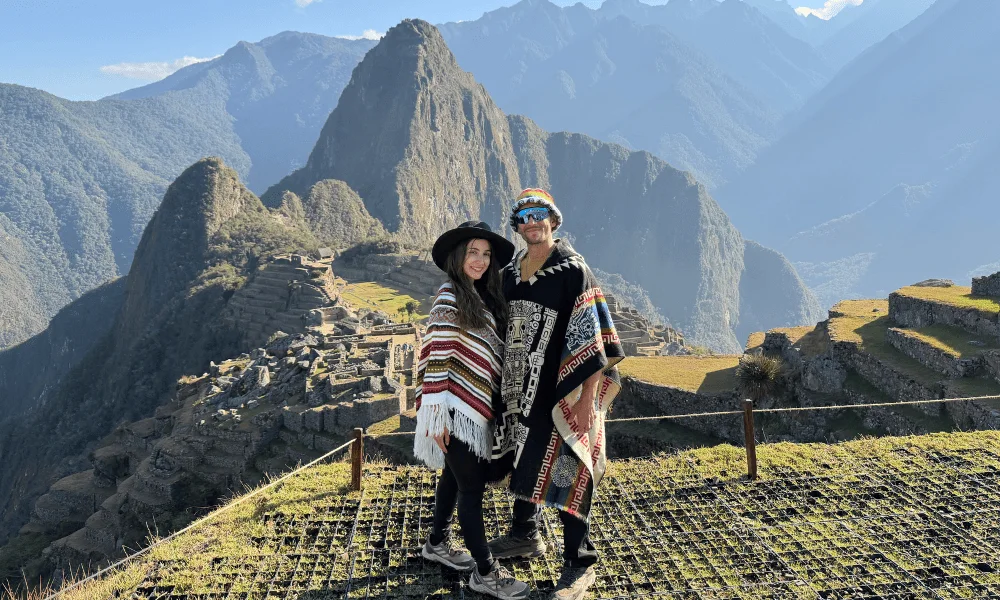
Written by Ru & Tiago
We spent three weeks in Peru in 2026, from Lima’s coast to Cusco, the Sacred Valley and the Inca Trail, and came home with one very overweight suitcase. Based in Geneva, we specialise in honest, active trip guides built around real experience, not recycled checklists.