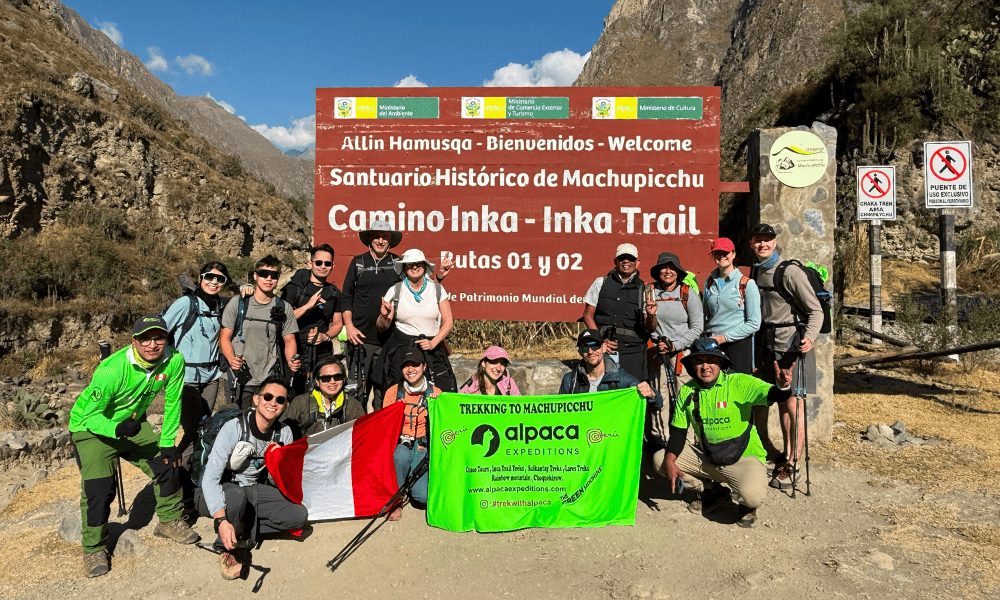
Booking the Inca Trail isn’t like booking a regular tour. You’re trusting a company with your permit, your safety at altitude, and – just as important – the wellbeing of the porters who’ll be carrying your camp up a mountain for four days.
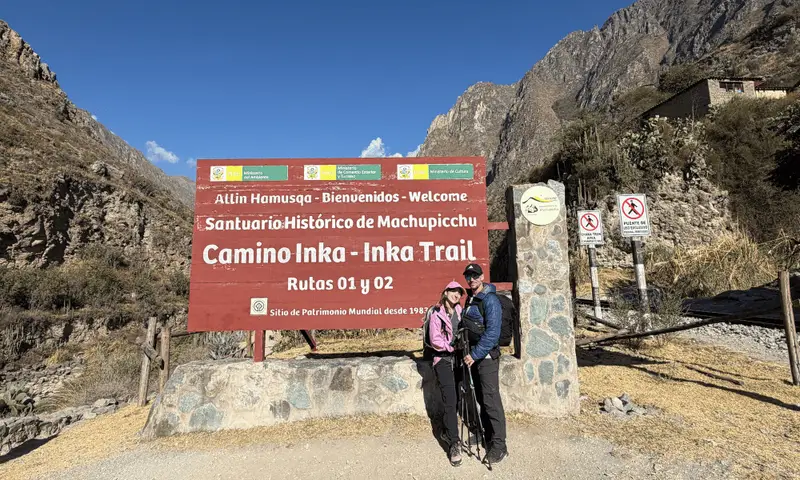
We hiked with Alpaca Expeditions in August 2026, and this is everything we’d tell a friend before they book theirs.
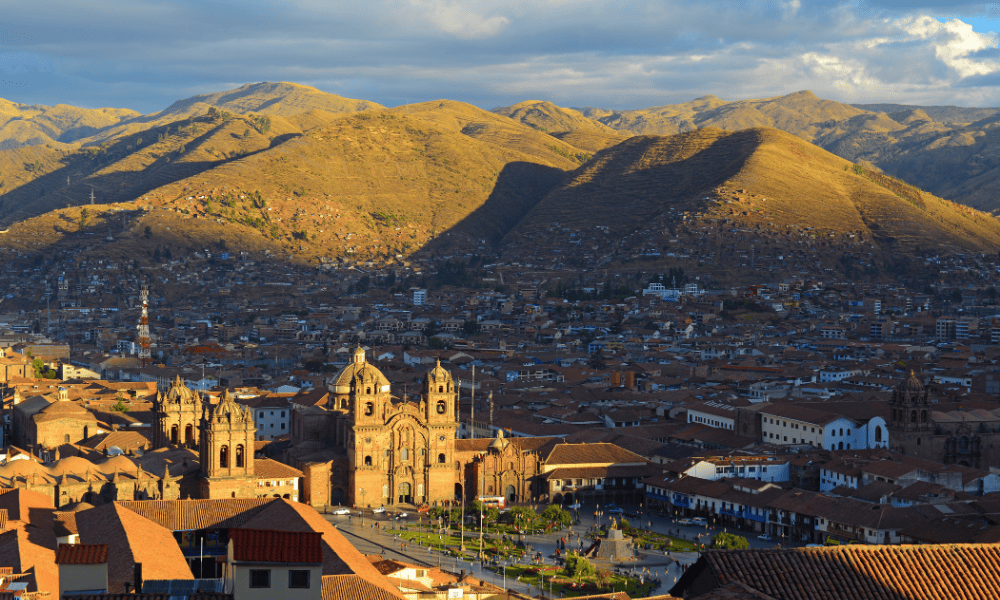
👉 Spending time in Cusco before or after the trek? Our Best Things to Do in Cusco guide covers San Blas, the ruins, and where we actually stayed and ate.
🗺️ Planning the whole trip, not just the Inca Trail? Check out our complete 3-week Peru itinerary for the full route, day by day.
*Heads up, fellow travelers! Some of the links on this site are affiliate links, which means if you make a purchase or book an activity through them, we may earn a small commission (at no extra cost to you!). We only recommend things we absolutely love and believe will enhance your adventure. Your support helps us keep this site going, so thank you for being part of our journey!
🎯 Quick Answer: How to Choose an Inca Trail Agency
- Only book licensed, Cusco-based operators – it’s a legal requirement, and locally-owned companies keep more of your money in the local economy.
- Ask directly how they treat their porters – weight limits, footwear, and benefits like free family trips to Machu Picchu are a real ethics signal.
- Check group size, tent allocation, and whether your group gets a private toilet tent, not just the itinerary.
- Ask what gear you can rent – sleeping bags, liners, pillows, and walking poles are often available, which matters a lot if you don’t own camping gear.
- Read recent reviews, not just the agency’s own testimonials.
- Book 5-6 months ahead for regular season, 6-9 months for June-August.
- Confirm exactly what’s included: train type back to Cusco, Machu Picchu circuit tickets, meals, and equipment.
We’ll walk through all of this below, using our own experience with Alpaca Expeditions as the working example.
Why the Agency You Pick Actually Matters
The Inca Trail is one of the most tightly regulated treks in the world – you cannot walk it independently, and every single hiker, guide, cook, and porter needs a government-issued permit. Of the roughly 500 daily permits, only around 200 go to travelers; the rest cover the support team required to run the trek.
That regulation is exactly why the agency matters so much. You’re not just picking an itinerary – you’re picking who feeds you, who guides you through altitude, and who employs the porters carrying your group’s equipment up some genuinely brutal terrain.
📅 Book Early – Permits Sell Out Fast
Short answer: book 5-6 months ahead for most of the year, and 6-9 months ahead if you want June, July, or August.
⏰ Don’t wait: Permits for the following year are typically released around October, and the busiest dates can sell out within days. If your travel dates are fixed, this is the one part of planning your trip that genuinely can’t be left flexible.
🥾 Porter Welfare: The Most Important Thing to Check
🎒 Why this matters most: This is, honestly, the factor we’d tell anyone to prioritise above almost everything else. The Inca Trail only exists in its current form because of porters – and how an agency treats them tells you everything about how seriously they take their responsibilities.
A few concrete things to actually look for:
- What shoes are the porters wearing? Proper footwear versus worn-out sandals is one of the clearest visible signs of how an agency invests in its staff.
- How much are they carrying, and is it weighed? Legally regulated weight limits exist for a reason – ask whether the agency actually enforces them.
- Do they employ women as porters? Some agencies, including Alpaca Expeditions, run women-only groups and actively employ female porters – a meaningful sign of a genuinely progressive operation in an industry that’s historically been male-dominated.
- Do porters get real benefits? We were told Alpaca Expeditions’ porters get to visit Machu Picchu with their own families, free of charge, twice a year – the kind of detail that speaks louder than any marketing page.
Don’t take an agency’s word for this at face value – ask directly, and if you’re already on the trail, look around. You’ll see other groups’ porters as you walk, and it becomes obvious fairly quickly which agencies invest in their teams and which don’t.
🇵🇪 Local vs. Foreign-Owned Agencies
Worth knowing: not every company selling Inca Trail tours actually operates the trek. Some are based abroad – often in the US – and act as intermediaries, subcontracting the actual trek to a local operator in Cusco.
Booking directly with a locally-owned, Cusco-based operator – like Alpaca Expeditions – usually means:
- More of what you pay stays in the local economy
- Less risk of miscommunication between the company that sold you the tour and the one actually running it
- Direct accountability if anything goes wrong
💬 Ask this directly: “Is your company Peruvian-owned and based in Cusco?” A good agency will answer this without hesitation.
Group Size and Tent Allocation
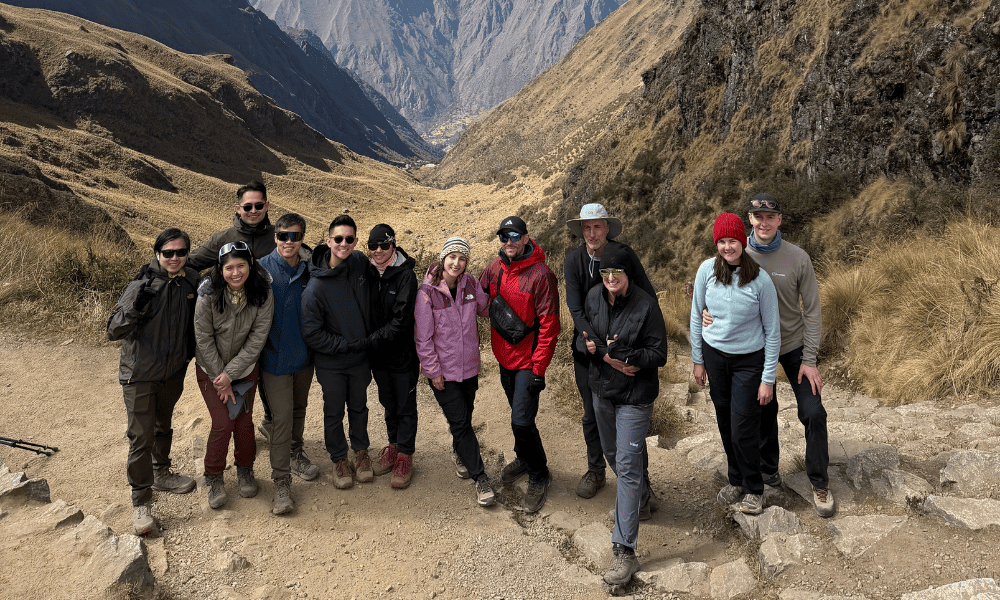
Ask about group size before you book, not after. We were in a group of 16, which felt lively but well-managed thanks to having two guides.
Also ask specifically about tent allocation – this varies more than people expect. We were given tents designed for four people but shared between just the two of us, which meant genuinely comfortable space to spread out our gear each night. Smaller or budget operators sometimes pack tents tighter, so this is worth confirming directly rather than assuming.
🚽 Our tip: ask if there’s a private toilet tent for your group. We had our own set up each evening, and it genuinely was a lifesaver – sharing it with your own trekking group rather than a shared public one along the trail makes a bigger difference than you’d think after four days on the mountain. Not every agency provides this, so it’s worth confirming before you book.
🧭 Guides: Experience Shows in the Small Moments
We had two guides for our group, and the way they split responsibilities said a lot about how the trek was managed. One guide consistently stayed at the back with the slower hikers, while the other stayed up front pacing the faster ones – so nobody felt rushed or left behind.
On day one, one couple in our group decided to turn back, and one of our guides personally walked them back down to safety before returning to the group that evening. That’s the kind of situation that shows what an agency is actually made of, well beyond what’s promised in the brochure.
Beyond logistics, a good guide also makes the history come alive – the context they gave us at each site along the trail turned a series of ruins into a genuinely fascinating four-day story.
🍽️ Food: An Underrated Reason to Choose Well
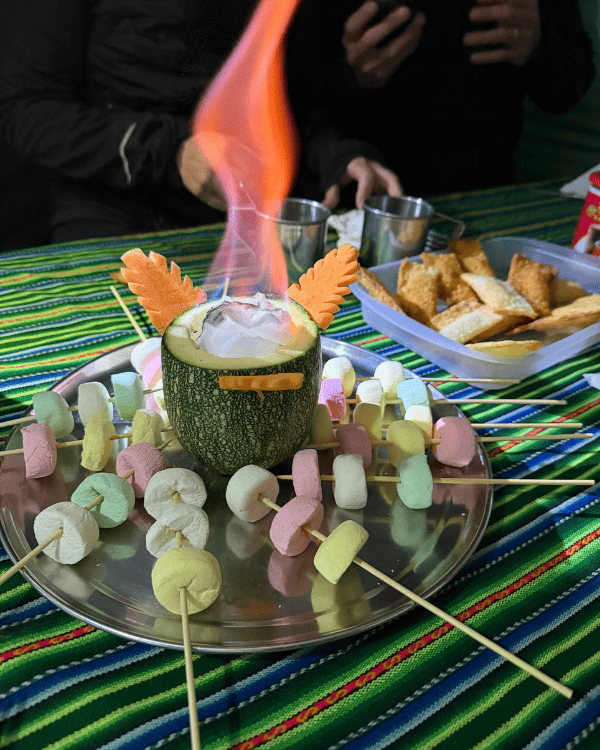
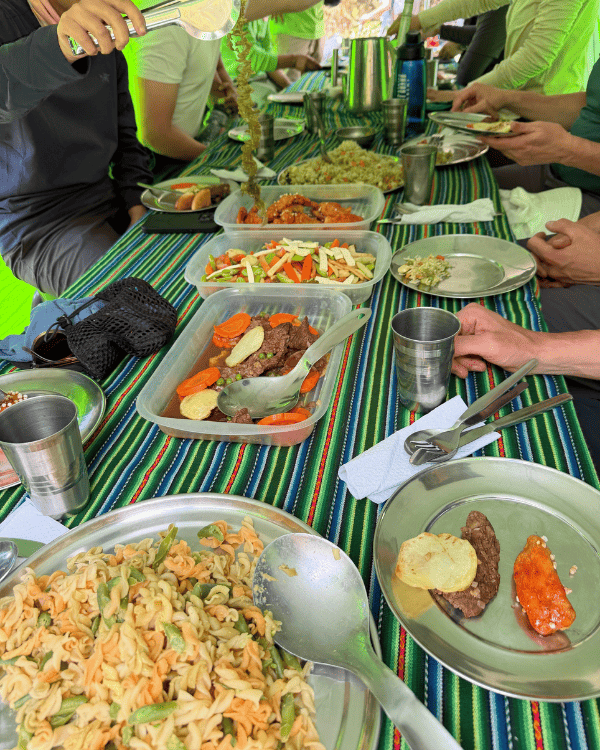
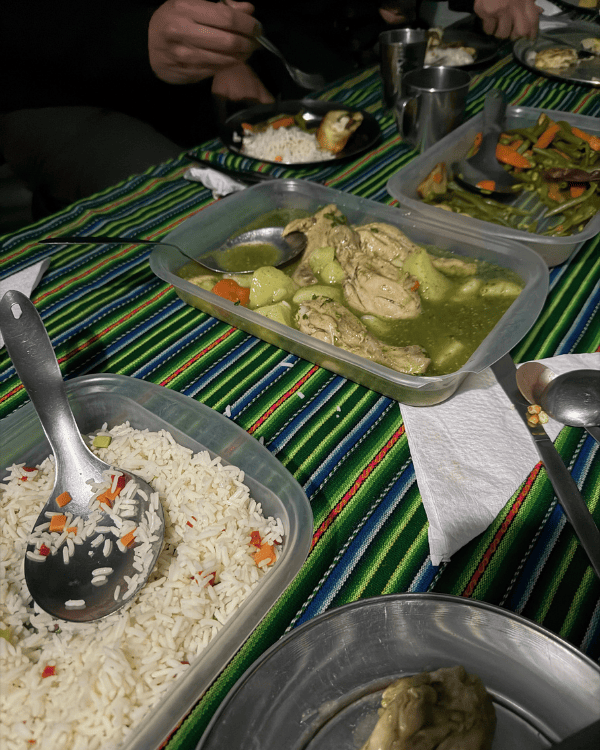
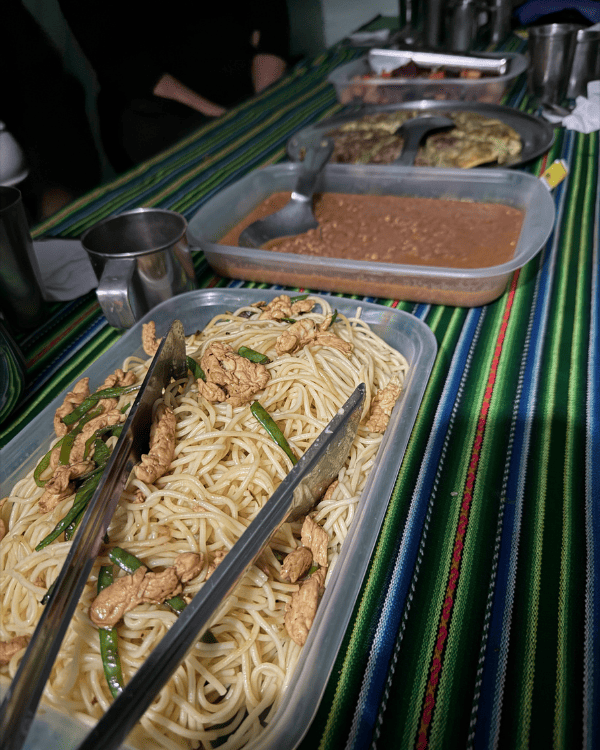
We were not prepared for how good the food would be. Every meal brought 6-7 different dishes to the table – from mango ceviche to guacamole, all the way to a banana flambé for dessert. Soup came with every single meal, and happy hour meant popcorn and hot drinks waiting for us at camp.
Small touches added up: marshmallows to grill one evening, and even a cake on our final night on the trail. Food quality varies hugely between agencies, and it’s worth asking what a typical day’s menu actually looks like before you book – it makes a bigger difference to trail morale than you’d expect.
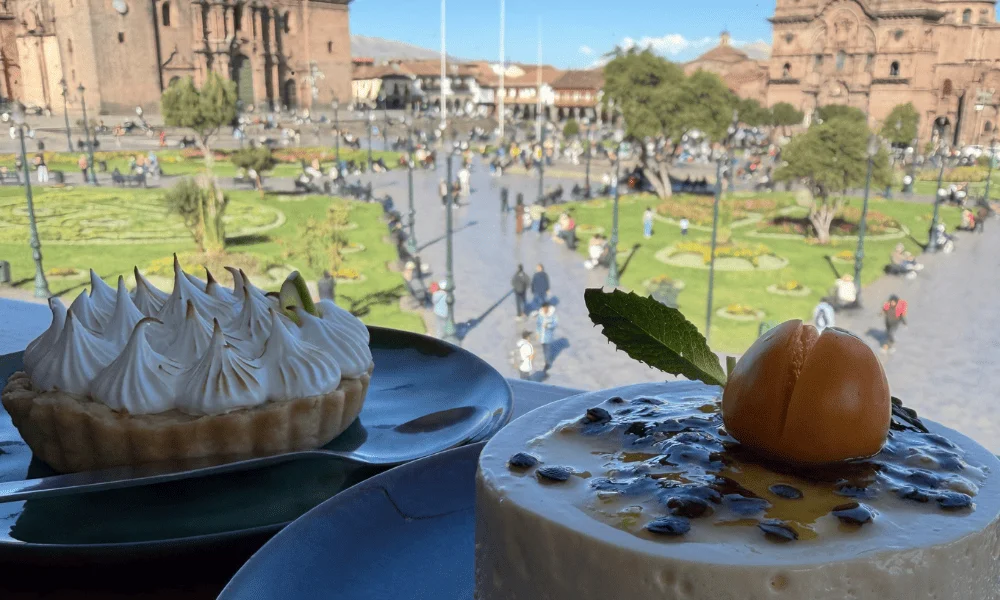
🍽️ Loved the trail food? Once you’re back in the city, our Cusco restaurant guide covers exactly where we ate to celebrate finishing.
For the bigger picture beyond the trail – what to eat in Lima, Arequipa, and Cusco – see our region-by-region guide to food in Peru.
What Should Be Included in Your Package
Before booking, get specific answers on all of the following:
- 🚂 The train back to Cusco. Not all trains are equal – we were booked on a proper tourist train rather than the local service, which is far more prone to delays and cancellations. Always ask which train class is included.
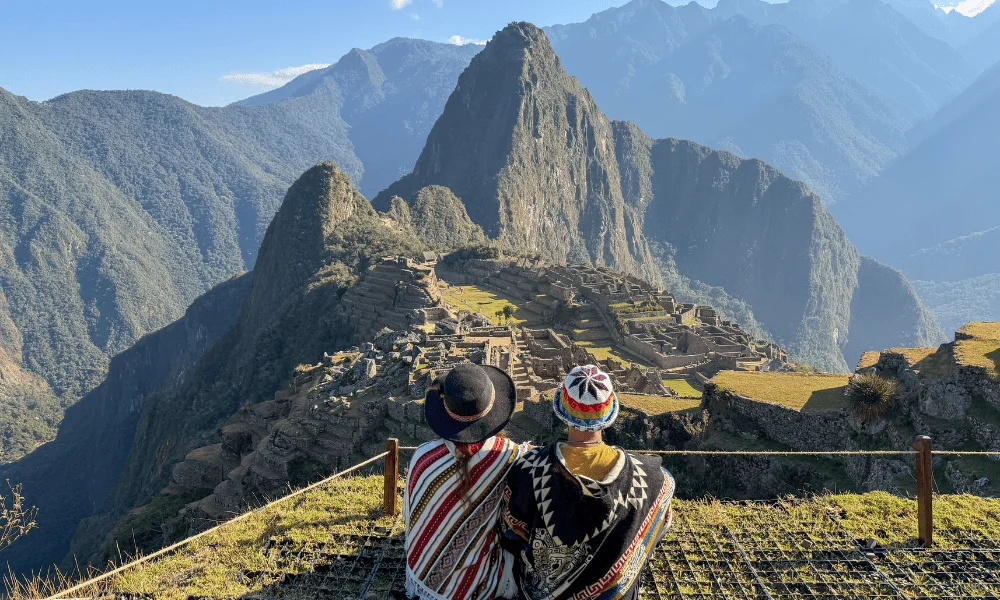
- 🎫 Your Machu Picchu circuit. Since 2024, Machu Picchu access is split into numbered circuits, and Inca Trail hikers are typically routed through a specific combination – ours covered circuits 1 and 3, giving us both the classic panoramic view and the lower temple sector. Confirm which circuits your ticket includes.
- ⛺ Equipment quality. Tents, sleeping mats, and rented sleeping bags vary a lot between operators – ask what’s provided versus what you need to bring yourself. This ties directly into the next point, since most agencies offer a rental menu on top of the basics.
- 🎒 What gear you can actually rent. If you’re not regular campers, this one matters a lot. We rented our sleeping bags, liners, pillows, and walking poles directly from Alpaca Expeditions, and all of it was in good condition – no need to buy or haul specialist gear halfway across the world for four days of use. Rental options and quality vary between agencies, so ask specifically what’s available and what it costs before you book. (See our full Inca Trail packing list for what we brought ourselves versus what we rented.)
- 🧳 Luggage handling at the end. A small but genuinely appreciated touch: Alpaca Expeditions delivered our suitcases to Ollantaytambo for us at the end of the trek, rather than leaving us to manage it.
Reviews and Reputation
Read recent reviews across multiple platforms – not just what’s featured on the agency’s own website.
We’d heard consistently strong things about Alpaca Expeditions from other travelers before booking, and that reputation held up on the trail: we noticed they consistently had more groups on the trail than any other agency we spotted, which lines up with them holding one of the largest permit allocations of any operator.
Our Honest Take on Alpaca Expeditions
We booked with Alpaca Expeditions and would happily do it again. Strong reviews going in, food that genuinely exceeded expectations, well-organised logistics from start to finish, attentive guides, and – the thing that mattered most to us – a company that seems to take porter welfare seriously rather than treating it as a footnote.
That said, they’re not the only good option in Cusco. The point of this guide isn’t to tell you to book the exact agency we did – it’s to give you the right questions to ask, whoever you end up choosing.
👉 Verify before you book: SERNANP (Peru’s national protected areas authority) publishes an official list of authorized tour operators for the Machu Picchu Historic Sanctuary – it’s worth checking your shortlist against it before you book.
✅ Quick Checklist: Questions to Ask Before You Book
- Are you a licensed, Cusco-based operator?
- What’s your porter weight policy, and how is it enforced?
- Do you employ women as porters or guides?
- What benefits do your porters receive?
- What’s the maximum group size on my departure?
- How many tents per group, and how many people share each one?
- Is there a private toilet tent for our group, or is it shared with other trekkers?
- What train class is included on the return journey?
- Which Machu Picchu circuits are included in my ticket?
- What does a typical day’s food actually look like?
- What gear can we rent from you (sleeping bag, liner, pillow, walking poles), and what does it cost?
- Is luggage handled for us at the end of the trek?
🎒 Sorted on the agency? Check out our complete Inca Trail packing list for 2026 for exactly what to bring – and what to leave at home.
Frequently Asked Questions
How far in advance should I book the Inca Trail?
5-6 months ahead for most of the year, and 6-9 months if you’re targeting June, July, or August, since those months can sell out within days of release.
Why does porter treatment matter when choosing an agency?
Porters carry the shared camping equipment (and sometimes a portion of your own bags) across genuinely demanding terrain. Agencies that invest in fair pay, proper footwear, enforced weight limits, and staff benefits are generally the same agencies that run a well-organised, safety-conscious trek overall.
Is it better to book with a local Cusco-based agency?
Generally yes. Locally-owned operators keep more revenue in the local economy and remove the middleman risk that comes with booking through a foreign intermediary who subcontracts the actual trek.
What’s included in a standard Inca Trail package?
Typically your permit, camping equipment, meals, a guide (or two for larger groups), porters, and your Machu Picchu entrance with an assigned circuit. Always confirm train class and luggage handling separately, since these vary between agencies.
How many people are usually in an Inca Trail group?
It varies by agency, but groups of 12-16 travelers are common. Ask specifically what your group size will be before booking, since this affects pacing, guide attention, and tent allocation.
Can I rent camping gear instead of buying it?
Yes, most licensed agencies offer rental gear – commonly sleeping bags, liners, pillows, and walking poles. This is worth confirming before you book if you don’t already own camping equipment, since quality and pricing vary between operators.
Do Inca Trail groups get a private toilet?
Many agencies set up a private toilet tent for their own group each evening at camp, which is far more comfortable than sharing a public one along the trail. It’s not universal across all operators, so it’s worth asking directly.
Final Thoughts
Choosing an Inca Trail agency isn’t just about price or a nice-looking itinerary – it’s about who you’re trusting with four genuinely demanding days, and who’s carrying the load to make that possible. Ask the uncomfortable questions about porter welfare, check the small logistical details, and read real reviews before you commit.
We got lucky with Alpaca Expeditions, but “lucky” is really just what happens when you ask the right questions first. If you’ve got a specific agency you’re considering, we’re always happy to share what we know.
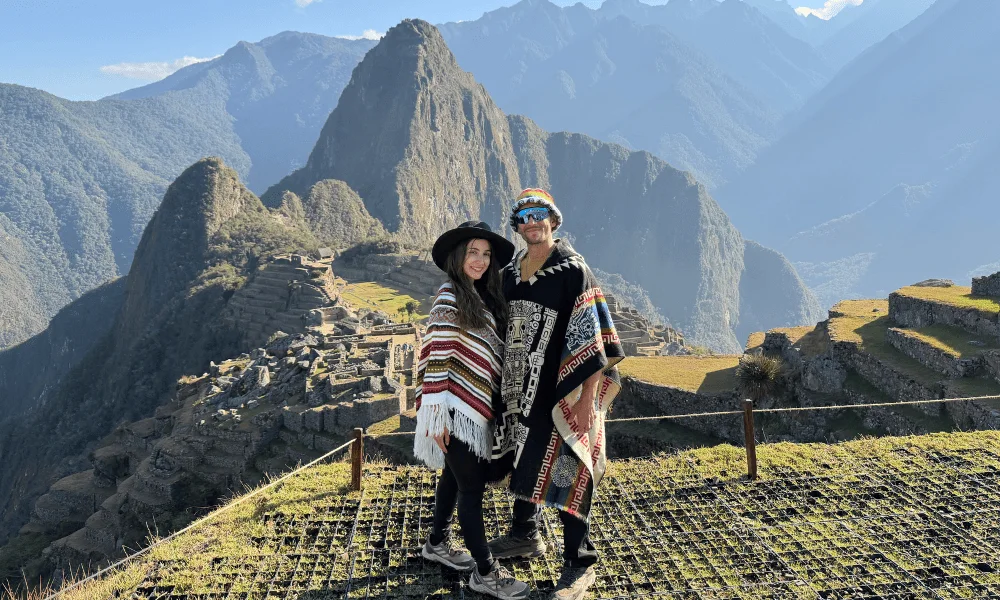
Written by Ru & Tiago
We hiked the Classic Inca Trail with Alpaca Expeditions in August 2026 and asked every awkward question about porter welfare before we booked. Based in Geneva, we specialise in honest, active trip guides built around real trekking experience, not recycled checklists.