Quick Summary: Venice First Timer Essentials
- Arrive by train and take the vaporetto Line 1 along the Grand Canal immediately – one of the great travel arrivals, costs €9.50, worth every cent
- Stay in Cannaregio, San Polo or Dorsoduro – not San Marco. Better value, more local, quieter, just as beautiful
- Book St Mark’s Basilica online before you travel – since July 2025 there are no on-site tickets. Sells out weeks ahead in summer
- Doge’s Palace is €35, genuinely impressive, book in advance. Evening openings on Fridays and Saturdays in summer – dramatically quieter
- Avoid tourist restaurants around San Marco – they charge a coperto (sitting fee) and are overpriced. Go to bacari in Cannaregio and San Polo for cicchetti (€1.50–3 each) and local wine
- Take a gondola – but from a small canal in Cannaregio or San Polo, not the Grand Canal. Completely different experience
- Burano is worth a half-day for the colourful houses – go in the morning, come back before afternoon queues build
- Go midweek – we went mid-May on a Wednesday and it was already busy. Weekends are a different level
- Tap your card on vaporetto readers – it caps automatically. Under 29? Get the Rolling Venice card (€6) for cheaper transport and museum discounts
Venice is one of those cities you build up in your head for years before you go. And then you arrive, step off the train, and immediately get swallowed by a crowd so dense you can barely lift your arm to take a photo.
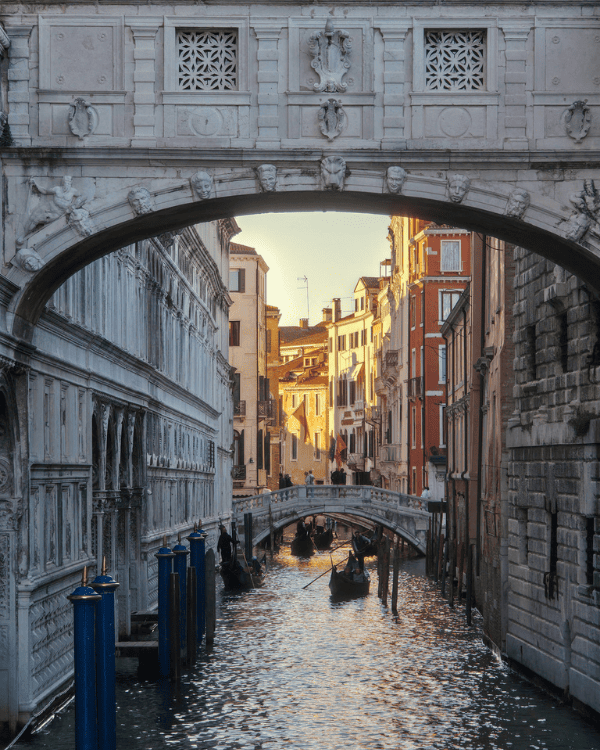
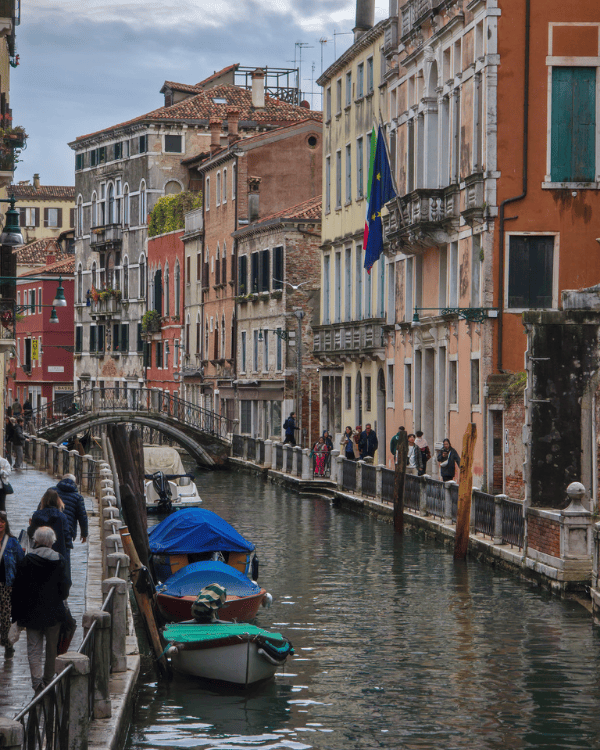
Here’s the thing though: that experience – the overwhelming, shoulder-to-shoulder, tourist-trap version of Venice – is entirely optional. The city most people complain about is the city they chose to spend all their time in. The Venice we fell for was quieter, more local, and honestly more beautiful. It just required walking ten minutes in the other direction.
We went mid-May on a Wednesday, which we’d recommend. Even then the crowds were real and got noticeably worse as the weekend approached. If you can go midweek, go midweek. The difference is significant.
Here’s everything we’d tell a friend going for the first time – in the order it actually makes sense to know it.
First: Understanding Venice Before You Arrive
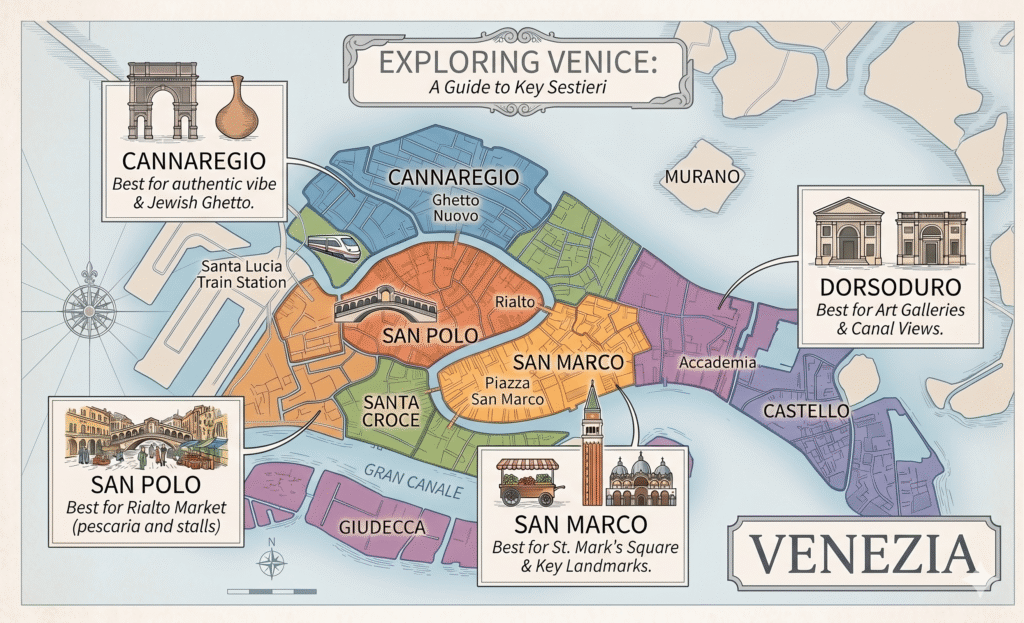
Venice isn’t one island – it’s 118 small islands connected by around 400 bridges, with canals instead of streets and no cars anywhere. You get around entirely on foot or by water bus (vaporetto). It’s smaller than it looks intimidating, and you will get lost, which is fine because you always hit water eventually.
The main areas to know:
- San Marco – the tourist centre. St Mark’s Basilica, the Doge’s Palace, the Grand Canal waterfront. Beautiful, iconic, extremely crowded
- Cannaregio – northwest, near the train station. Our favourite area. Wider canals, locals, great bacari, much less touristy
- San Polo – central, the Rialto Bridge, the best food market, a labyrinth of backstreets that rewards wandering
- Dorsoduro – southwest, quieter, the Accademia gallery, the best bridge for sunset, a genuinely lovely neighbourhood
- Giudecca – across a wide canal from Dorsoduro, mostly residential, rarely visited by tourists
Everything is walkable. San Marco to the train station is about 25 minutes on foot. Keep this mental map and Venice stops feeling overwhelming.
Arriving in Venice: Take the Vaporetto Immediately
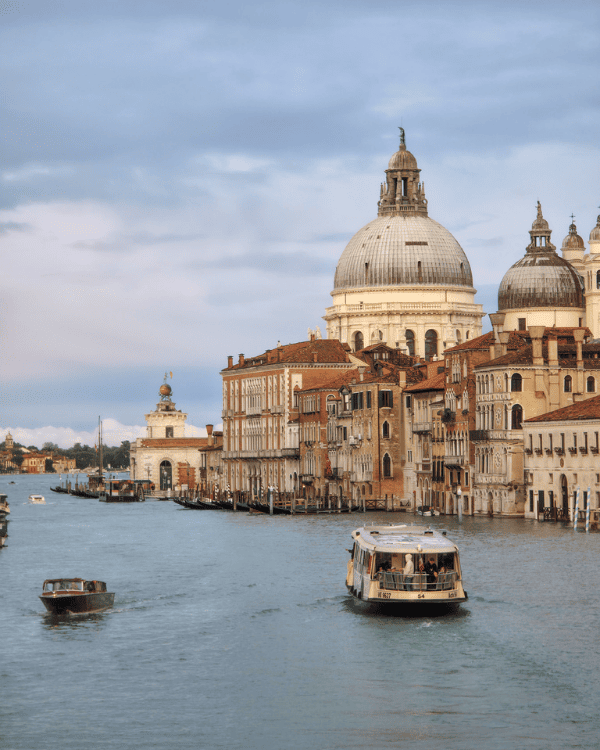
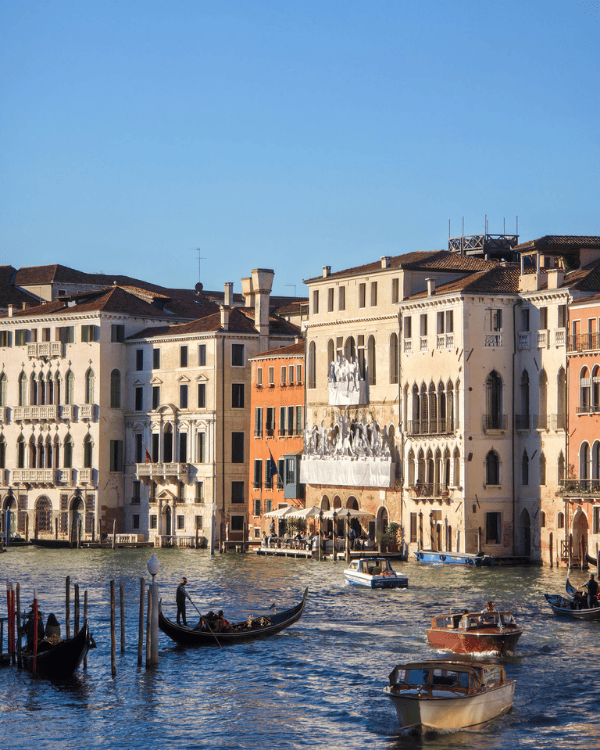
The moment you step out of Santa Lucia train station, you’re standing at the top of the Grand Canal. You have two options: walk, or take the water bus.
Take the water bus. Don’t even think about it.
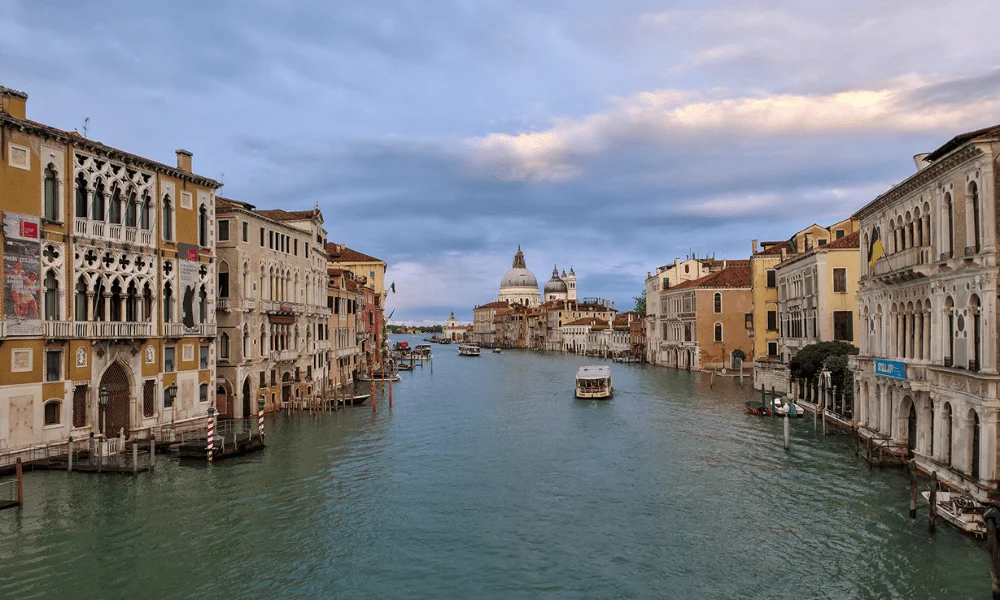
Line 1 runs the full length of the Grand Canal, stopping at every landing, taking about 35 minutes end to end. You glide past palaces, churches, crumbling beautiful facades right at water level – the entire city revealing itself from the water. It’s one of the great arrivals in travel and it costs the same as a coffee.
How to pay: just tap your debit or credit card on the reader – it caps automatically at the correct fare. No need to buy a paper ticket.
Vaporetto Fares
| Ticket | Price |
| Single journey (75 min, unlimited changes) | €9.50 |
| 24-hour pass | €25 |
| 48-hour pass | €35 |
| 72-hour pass | €45 |
| Rolling Venice card (under 29) | €6 + transport |
| 72h pass with Rolling Venice card | ~€30 |
| Traghetto (standing gondola, Grand Canal crossing) | €2 |
💡 Under 29? Get the Rolling Venice card (€6) on arrival at the Venezia Unica office near the station or online. It gives you a 72-hour vaporetto pass for ~€30 instead of €45, plus reduced entry to the Doge’s Palace (€15 instead of €35) and discounts at various museums. Pays for itself very fast.
Key lines:
- Line 1 – slow, every stop, full Grand Canal. Take this on arrival
- Line 2 – faster, fewer stops
- Lines 12/13 – to Burano and Murano from Fondamenta Nuove
The traghetto: a standing gondola ferry that crosses the Grand Canal at several points for just €2. Very local, no frills, genuinely useful.
Avoid water taxis – they’re very expensive and there’s almost never a good reason to use one.
Where to Stay in Venice (And Where Not To)
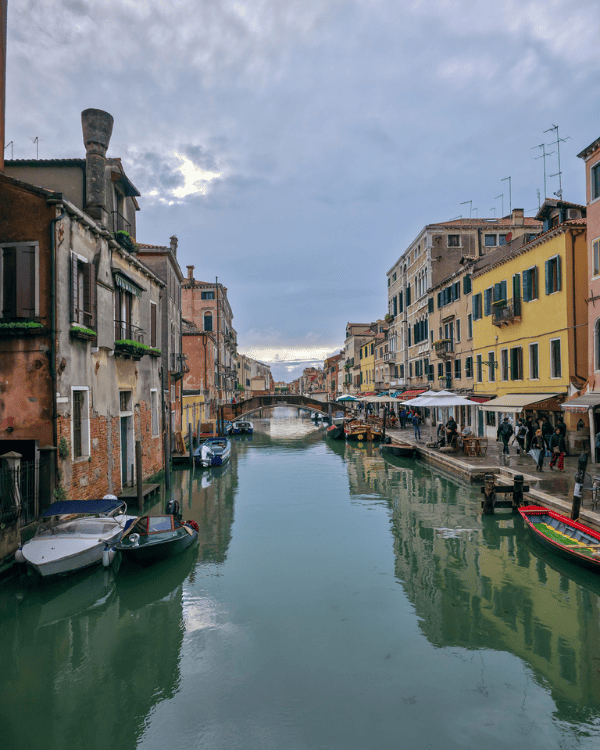
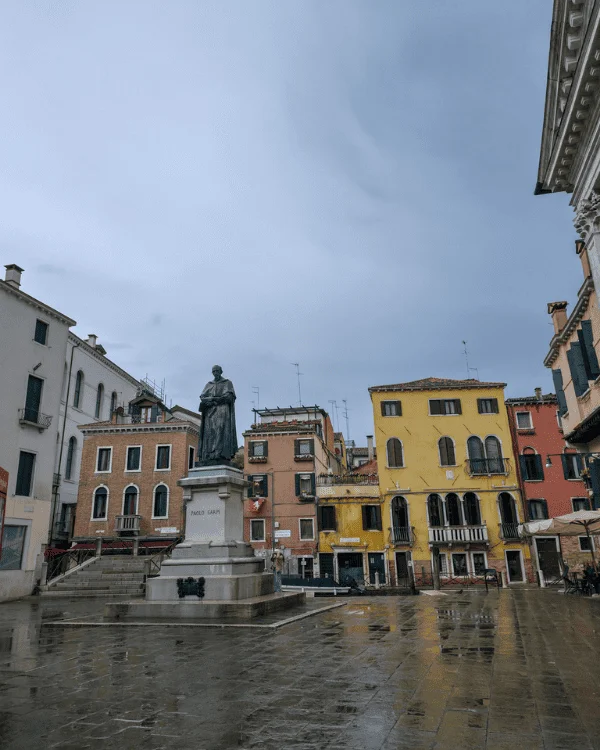
Don’t stay in San Marco unless you have a specific reason and a big budget. You’ll pay a premium to be in the most crowded part of the city and you won’t feel like you’re in a real neighbourhood at all.
Stay in Cannaregio, San Polo or Dorsoduro. All three are walkable to everything, all three are genuinely nicer to come home to in the evenings, and all three are meaningfully cheaper.
We stayed near Ca’ d’Oro in Cannaregio and it was a perfect base – 20 minutes’ walk to San Marco, right on the Grand Canal, surrounded by local shops and bacari, and quiet enough in the evenings to actually feel like you’re in Venice rather than a theme park.
We stayed at Hotel Mezzo Pozzo and would genuinely recommend it – great location, characterful, and exactly the kind of place that makes Cannaregio feel like the right choice over the tourist centre.
👉 Find accommodation near Ca’ d’Oro, Cannaregio
The Tourist Centre: What’s Worth It and What Isn’t
Now that you have a sense of the city, here’s an honest take on the main attractions.
St Mark’s Basilica
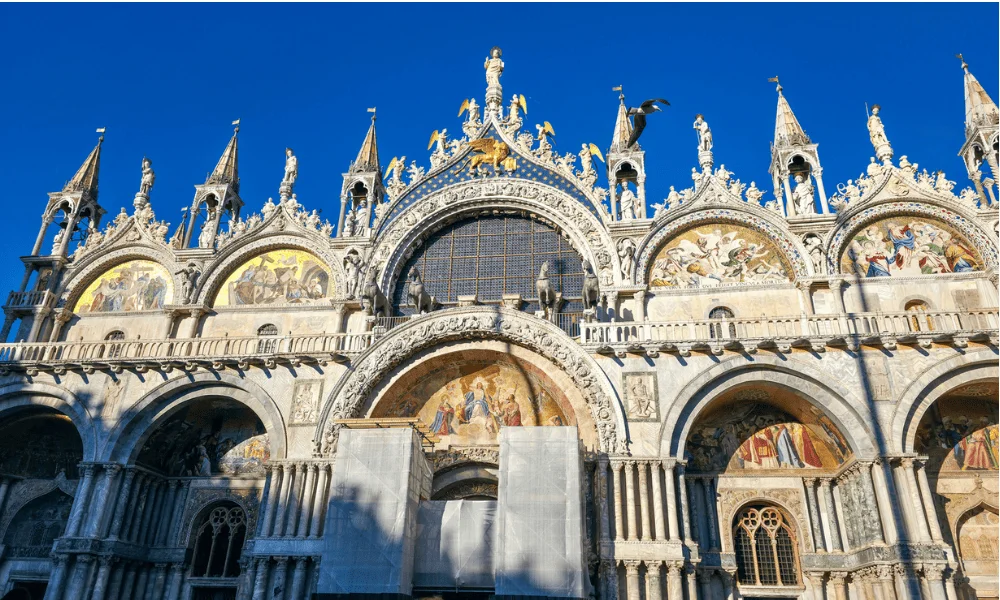
The gold mosaics covering every inch of the ceiling are genuinely unlike anything else in Europe. It’s extraordinary inside – worth seeing, worth planning for.
Our recommendation: the Basilica + Museum & Horses Loggia ticket (€20). The rooftop terrace above the entrance is the part most visitors miss – you look directly down over St Mark’s Square and get close to the original bronze horses that have stood here since the 13th century (the ones outside are replicas). It’s the upgrade that’s actually worth it.
Critical: since July 2025, you cannot buy tickets at the door. There is no on-site ticket office. Book online at tickets.basilicasanmarco.it before you travel – at least a week ahead in spring and summer, when morning slots sell out fast.
| What | Price |
| Basilica entry (base) | €10 |
| Basilica + Pala d’Oro (golden mosaic screen) | €20 |
| Basilica + Museum & Horses Loggia (rooftop terrace) | €20 |
| Full ticket (everything) | €30 |
| Bell Tower (separate, next door) | €10 |
| Skip-the-line guided tour | from €28 |
Opening hours: 9:30am–5:15pm (last entry 4:45pm)
Sundays until 2pm: only the Museum and Horses Loggia are open during Mass
Free entry: Mass is free, no booking needed, via the small door on the left. Services at 10am and 12pm on Sundays
Dress code: covered shoulders and knees – enforced at the entrance
St Mark’s Square (Piazza San Marco)
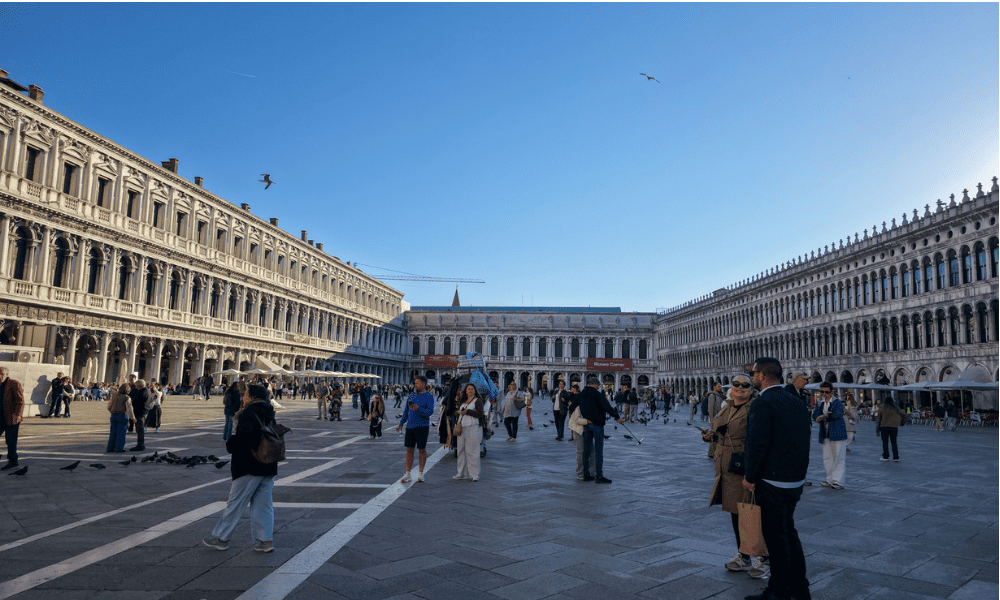
Honestly? We weren’t blown away. By mid-morning it was so crowded it was hard to appreciate anything.
If you want to experience it properly, go before 8am – golden light, almost nobody there, completely different atmosphere. By 10am it’s a different place entirely. Worth seeing once, not worth lingering in.
Doge’s Palace (Palazzo Ducale)
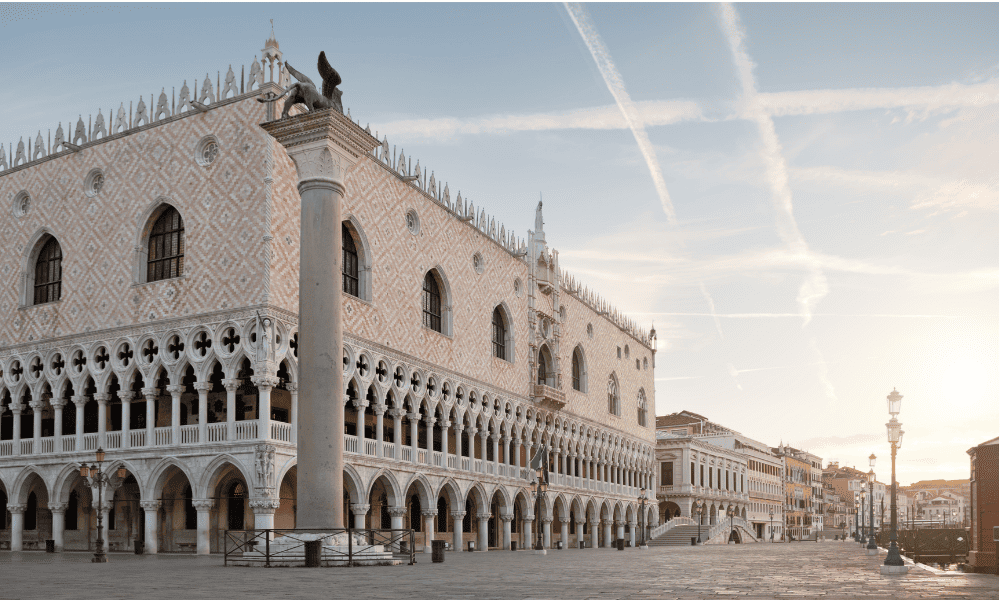
This is the one we’d prioritise over the square itself. The scale of the state rooms, Tintoretto’s Paradise (the largest oil painting in the world), and crossing the Bridge of Sighs into the actual prisons – budget at least 2 hours.
| What | Price |
| Standard adult entry (includes Museo Correr) | €35 |
| Reduced (students 15–25, over 65, Rolling Venice card) | €15 |
| Book 30+ days ahead on official site | save €5 |
| Secret Itineraries guided tour | from €67 |
| Combo with St Mark’s Basilica | from €79 |
Opening hours:
- April-October: 9am-7pm (last entry 6pm)
- November-March: 9am-6pm (last entry 5pm)
- May-September, Fridays & Saturdays: open until 11pm (last entry 10pm) – evening visits are dramatically quieter and genuinely worth considering
Closed: 25 December and 1 January only
Best time: 9am opening or late afternoon on a weekday. Wednesdays and Thursdays are quietest
→ Make sure to book your Doge’s Palace tickets in advance!
The Rialto Bridge
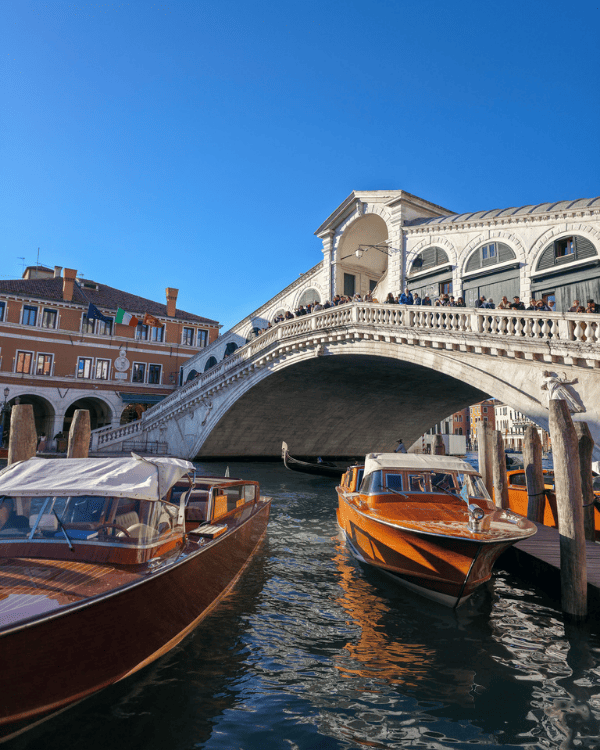
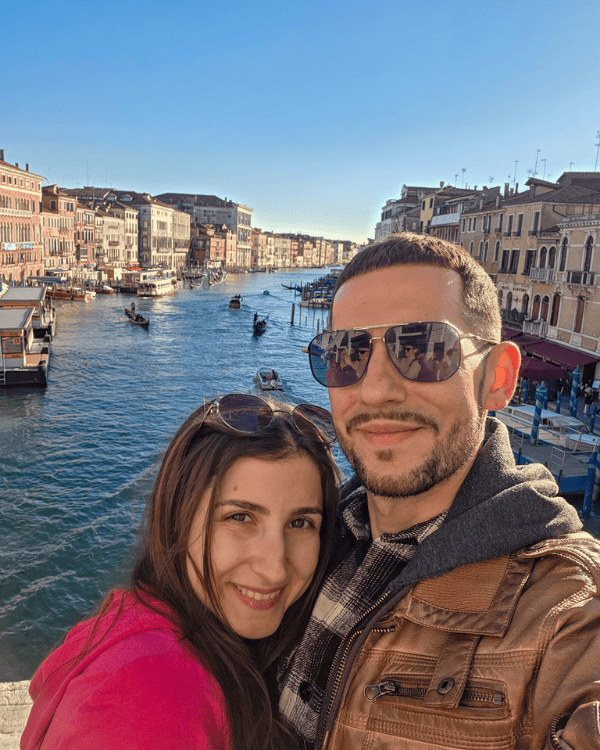
Beautiful, worth seeing, absolutely rammed at all hours. Cross it, take your photos, keep walking. It’s more impressive from the water than from the bridge itself.
Take a Free Walking Tour – Early in Your Trip
Do this on day one if you can.
The free walking tours in Venice cover things that completely changed how we understood the city – the water gates at the base of every building (each house had its own private canal entrance), why there are so many churches (every island historically had to have one), how the bridges were built much later when Venice finally accepted not everything needed to happen by boat, the story behind the masks and how they let Venetians cross social classes anonymously.
You’ll also get specific bacaro recommendations from a local, which is worth the two hours on its own.
→ We booked our free Venice walking tour HERE
👉 Want something more in-depth with a smaller group? This guided walking tour of Venice’s must-see sites covers all the highlights of Venice with context so you won’t get wandering alone – a great option if you only have one or two days and want to make sure you don’t miss anything.
The Real Venice: Getting Out of the Tourist Centre
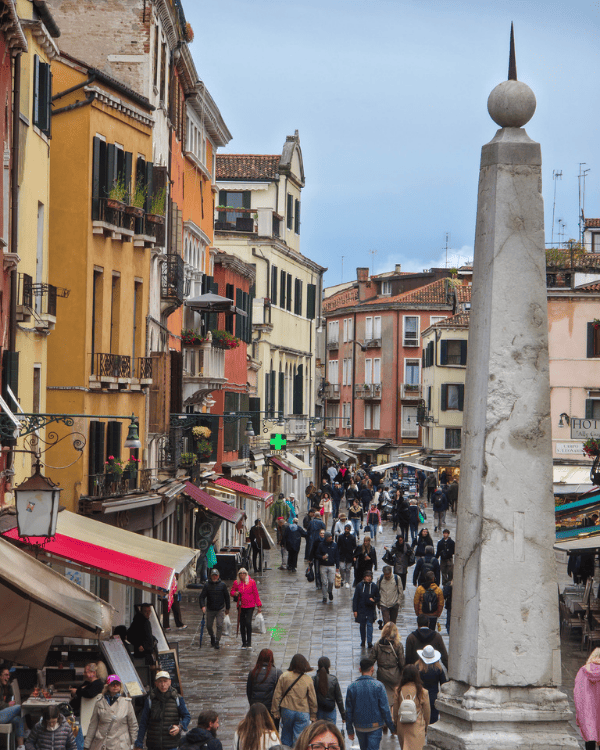
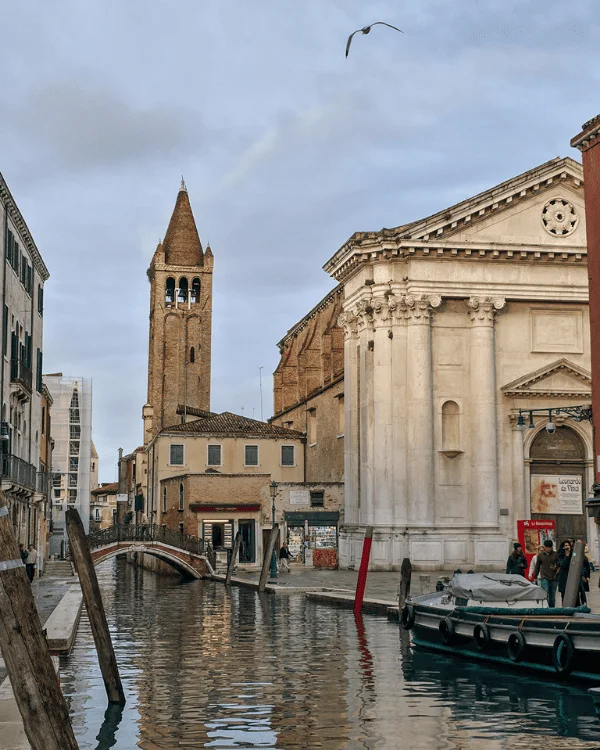
This is where the trip changes. Once you’ve seen the main landmarks, walk north into Cannaregio, west into San Polo, or south into Dorsoduro – and suddenly you’re in a different city.
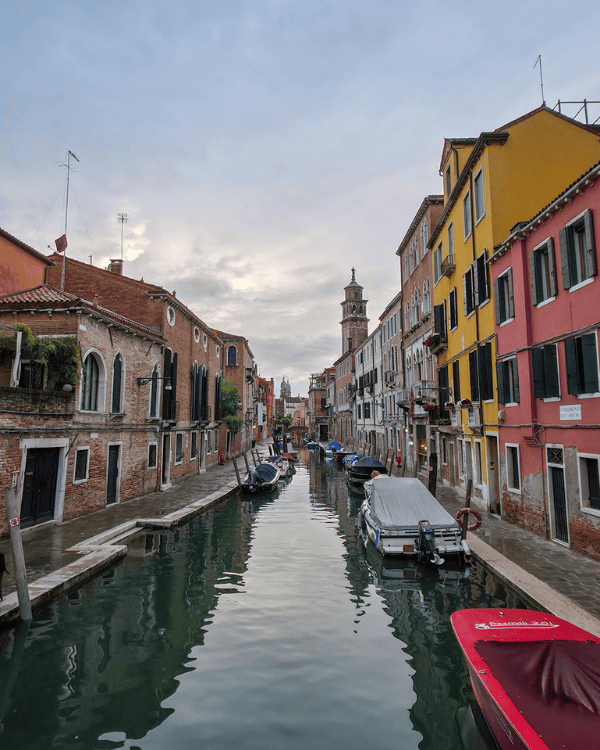
Wider canals. Bridges you can cross without queuing. Washing hanging between buildings. Locals doing their shopping. Cats on windowsills. Bacaro bars with handwritten menus and €2 glasses of wine.
The architecture is just as beautiful. The streets are just as photogenic. You can actually stop and look at things.
Eating Like a Local: Bacari and Cicchetti
What’s actually traditional in Venice isn’t pasta. Pasta came later and is largely a tourist adoption. What Venice runs on is cicchetti – small bites served at bacaro bars. Tiny pieces of bread topped with salt cod, anchovies, cheese, cured meats. You eat them standing at the bar with a small glass of wine called un’ombra for a couple of euros each. This is how locals eat lunch. Cheap, casual, completely delicious.
Cannaregio and San Polo are your best hunting grounds. Look for handwritten menus and locals leaning against the bar. Not laminated menus with photos and a host waving you in from the pavement.
👉 Not sure where to start or worried about walking into the wrong place? This Venice street food tour with a local guide takes you through the bacari of Cannaregio and San Polo with someone who knows exactly which ones are worth it – and teaches you how to order properly. We’d recommend doing this on day one alongside the free walking tour if your schedule allows.
A few things to avoid getting stung:
- Most tourist-centre restaurants charge a coperto (cover charge) of €3-6 per person just for sitting down, before you’ve ordered anything
- The most Google-reviewed restaurants in Venice are often the most expensive and least worth it – we made this mistake once
- Osterie and bacari are consistently better than ristoranti in the centre
- Getting takeaway avoids the cover charge entirely
The Floating Library
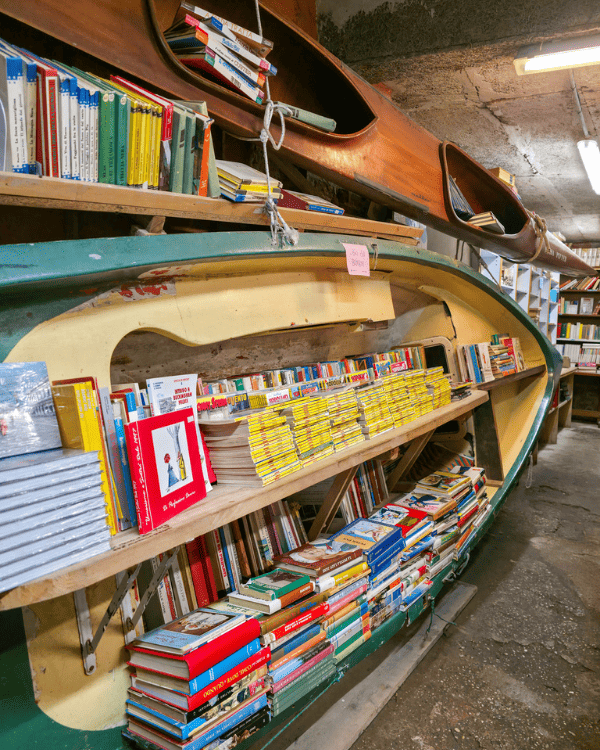
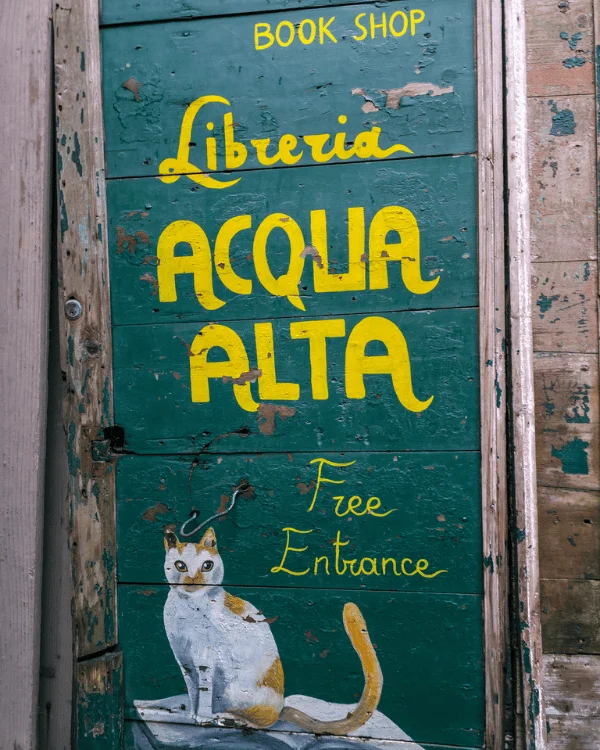
One of those only-in-Venice things – Libreria Acqua Alta – a biblioteca on a boat, moored in the city, free to visit. Your walking tour guide will point it out, or just ask a local. It’s the kind of thing that makes you love the city.
The Accademia Bridge at Sunset
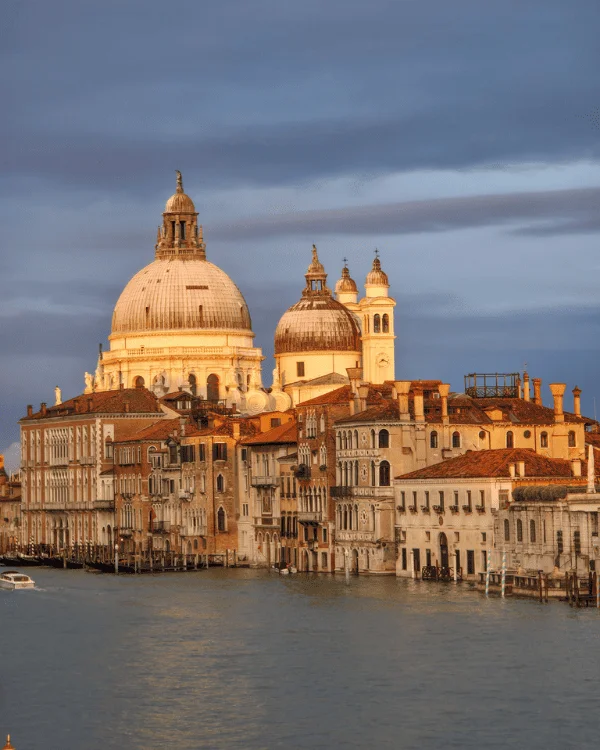
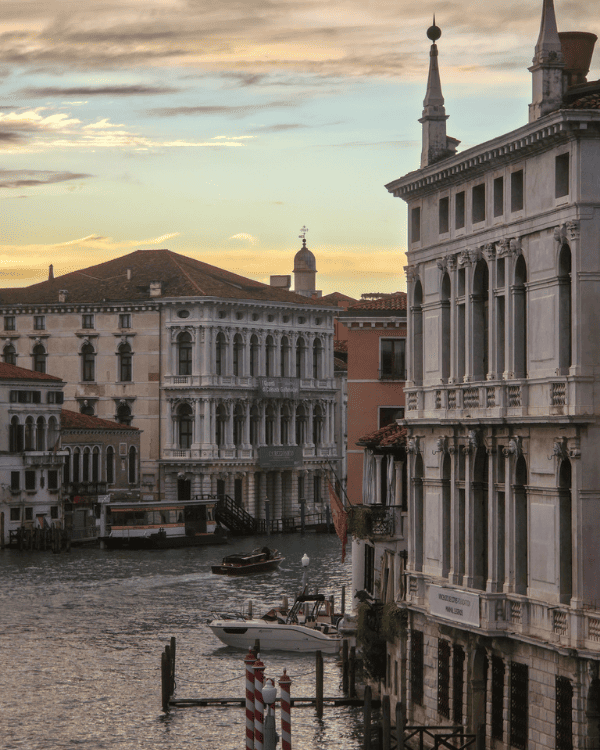
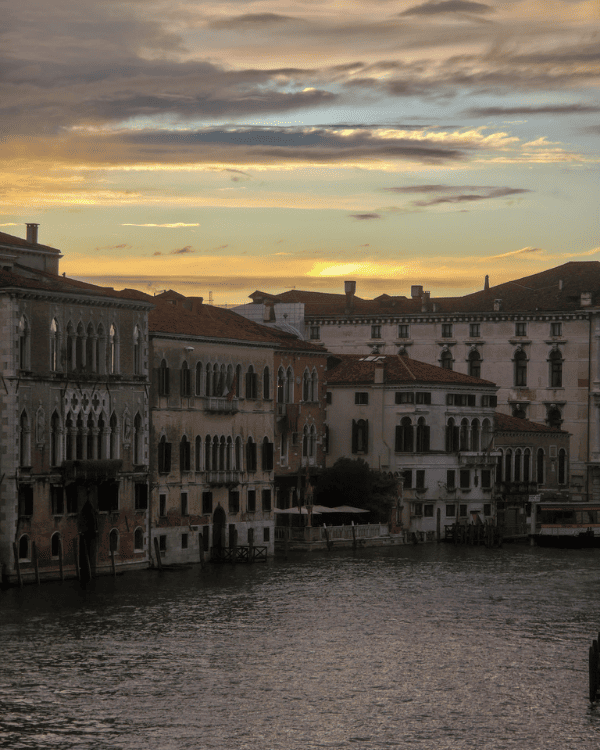
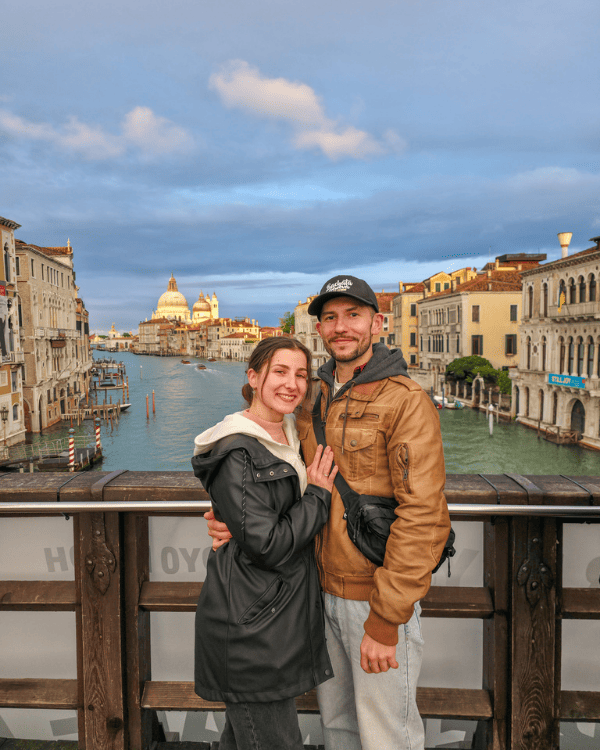
Skip the Rialto for this. The Accademia Bridge in Dorsoduro is a simpler wooden bridge with a wide open view down the Grand Canal. Far fewer people than the Rialto, perfect late afternoon light. We stood there for a long time. Go around 7pm in May for a great sunset.
The Gondola: Yes, Do It – But From a Small Canal

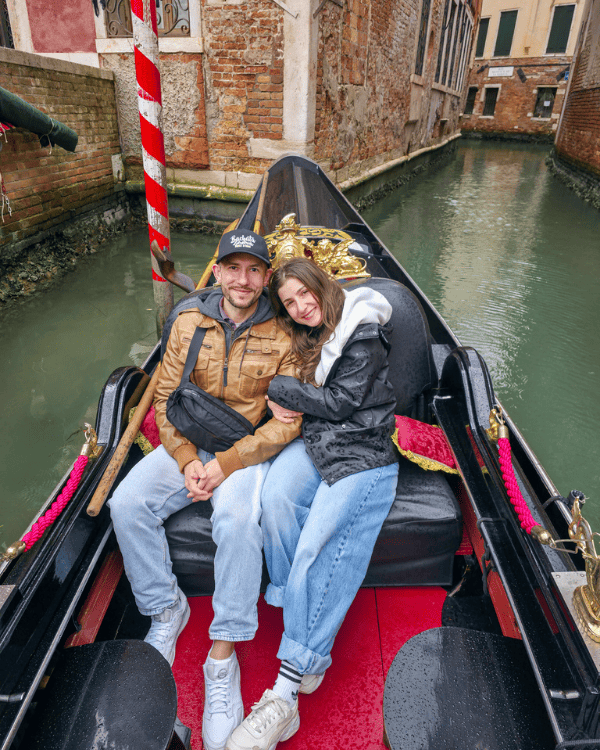
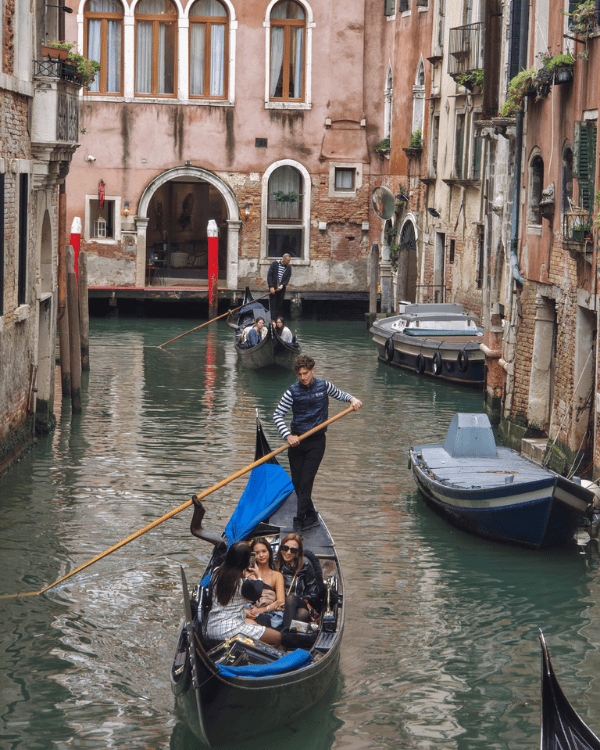
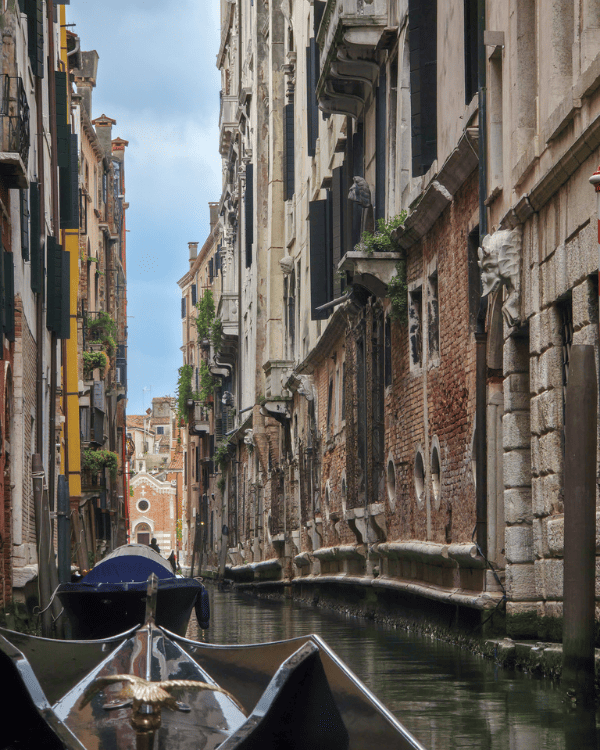
We took a gondola and loved it. It’s touristy, it’s expensive, and it’s completely worth doing once.
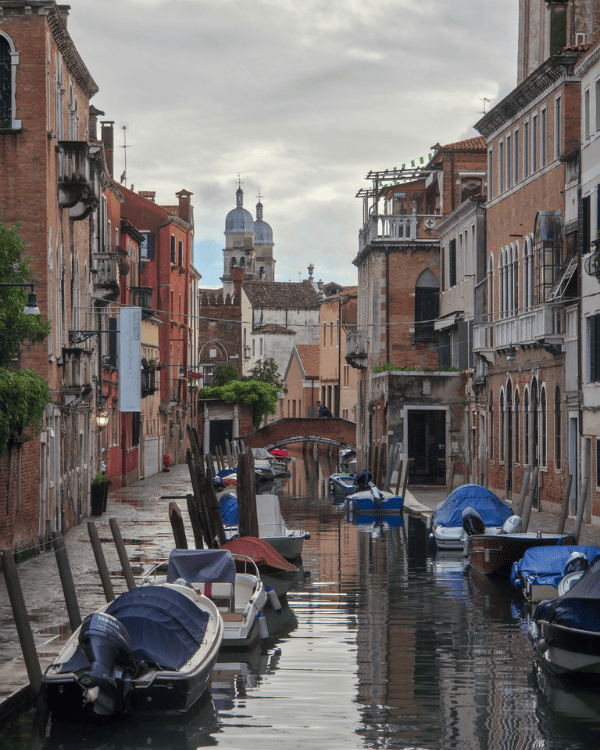
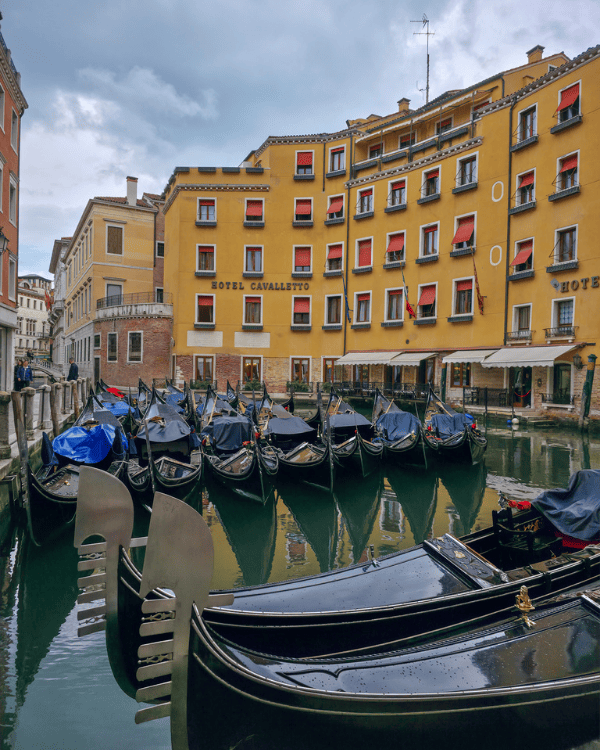
The one tip that makes all the difference: don’t take it from the Grand Canal. The Grand Canal is busy, loud, full of vaporetti wake. Instead find a gondolier in Cannaregio or San Polo and ask to go through the small canals.
We took our from here, and we loved it! We only entered the Grand Canal briefly but spent most of the ride through the small canals. The gondolier told us stories about Venice the whole way and even sang for us at one point. Genuinely one of the highlights of the trip. Highly recommended.
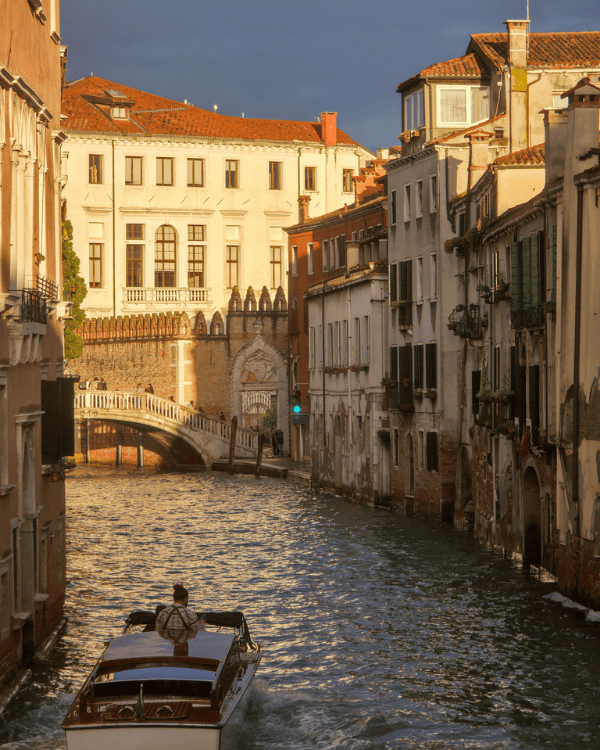
The small canals are everything Venice should be. Silent except for the oar. Washing overhead. Hidden bridges so low you have to duck. Completely different from the main waterway and infinitely more beautiful.
- Day rate: €90 for 30 minutes (up to 5 people). This is regulated by the city, so never pay more than that!
- Evening rate (after 7pm): €120 for 30 minutes
- Split between 5 people it’s very reasonable
👉 Prefer to have everything sorted before you arrive? You can also book a gondola ride in advance – includes an app commentary so you know what you’re looking at as you go. Good option if you’re travelling in peak season and want it guaranteed.
Day Trip: Burano (and Should You Go to Murano?)
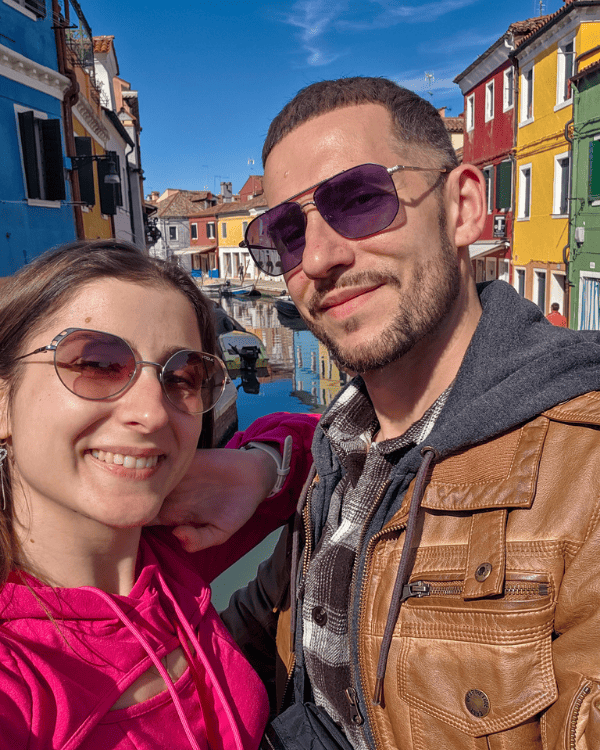
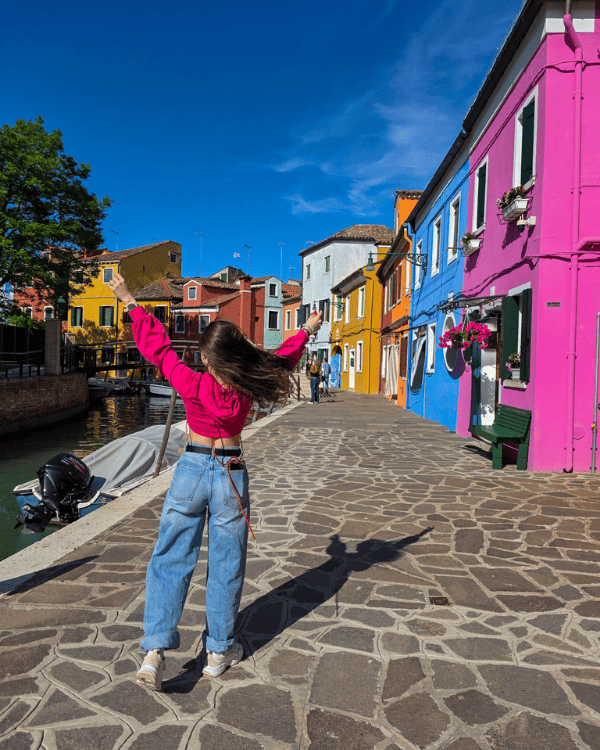
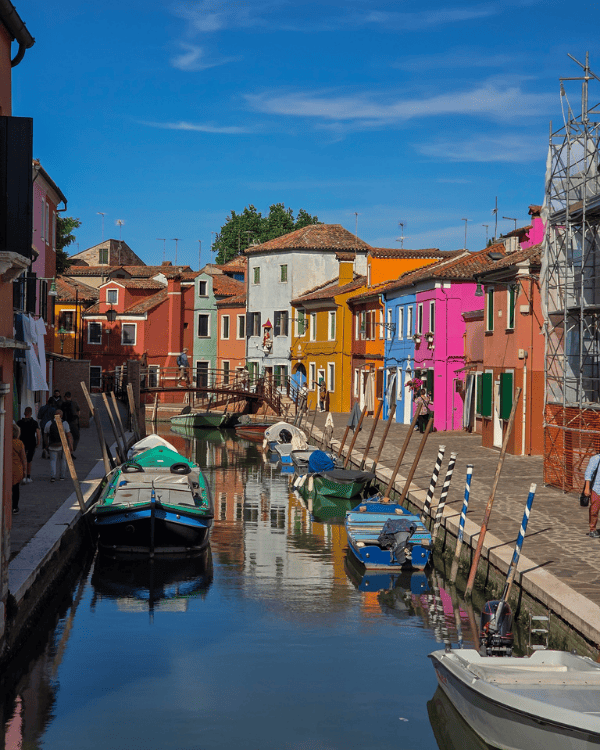
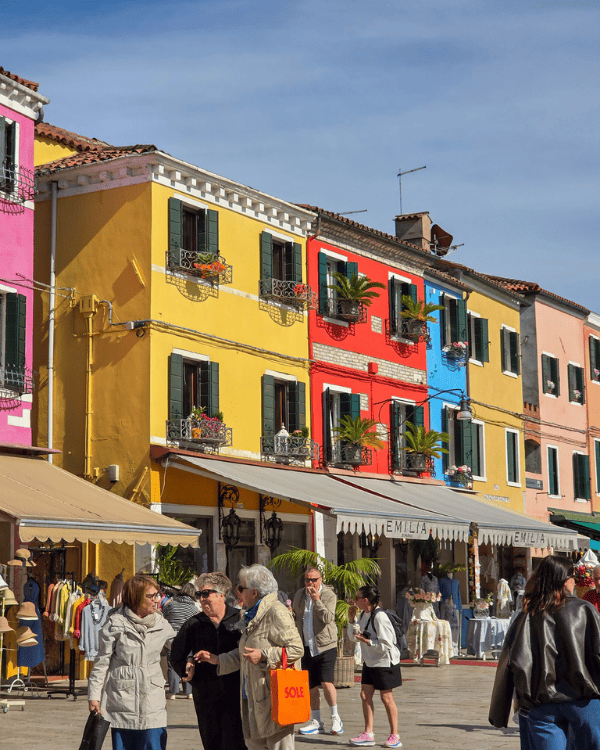
Burano is the colourful house island about 40 minutes from Fondamenta Nuove by vaporetto (Lines 12/13). The houses are genuinely as photogenic as every photo suggests. We’re glad we went.
But manage your expectations: it’s small, very touristy, and once you’ve walked the main streets and taken your pictures there isn’t a huge amount to do. The return ferry can be painful – boats come every 20–30 minutes but in the afternoon they’re often packed and you might miss the first one, leaving you waiting at the dock with nothing to do.
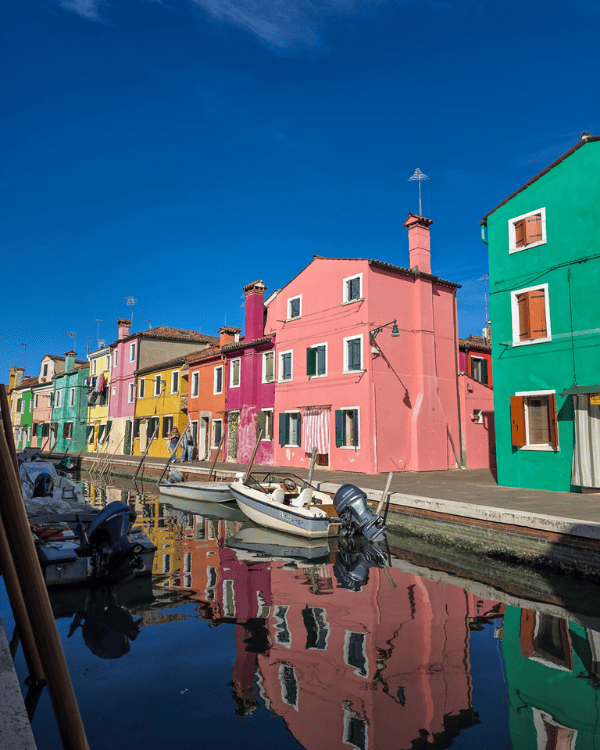
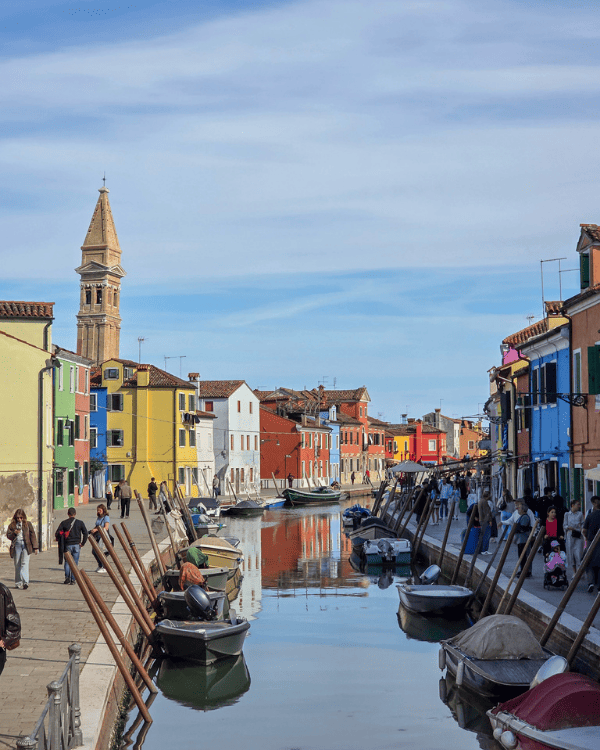
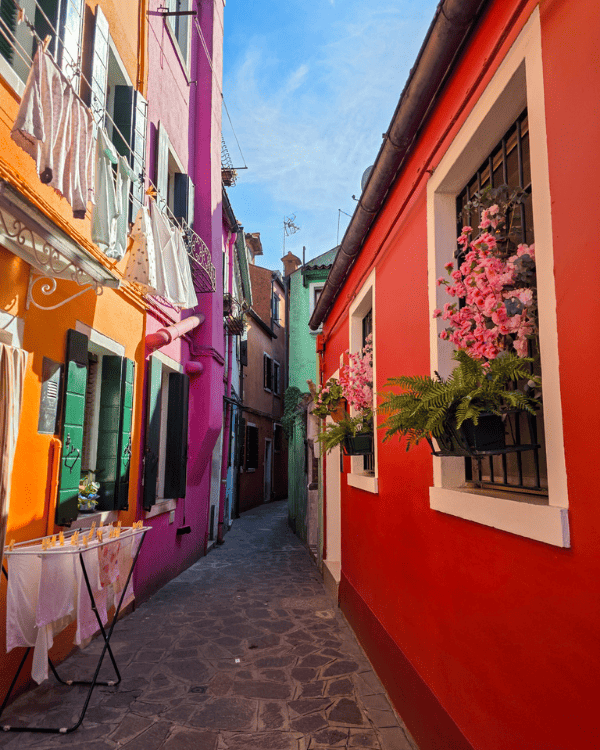
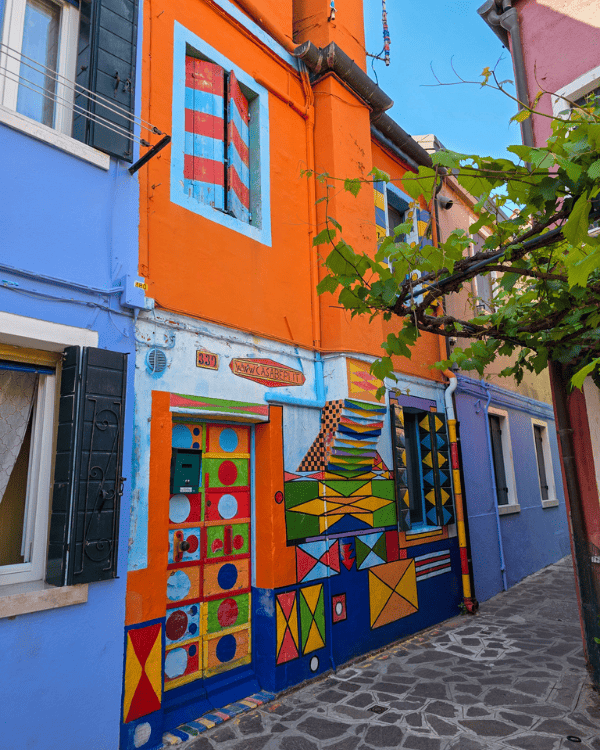
Our verdict: worth it for 2-3 hours if you want the photos. Go in the morning, aim to be heading back by early afternoon. Don’t make it the centrepiece of your Venice trip.
Murano (the glass-blowing island) – we skipped it. Heard it’s worth visiting if you’re interested in the craft, but given our time we prioritised Burano. Can’t comment personally.
Cost: included in your vaporetto pass, or €9.50 tap-and-go each way.
👉 Want to do both islands properly without dealing with public ferry queues or timing stress? This private boat tour of Murano and Burano combines both in one trip – private boat, a local guide, and a live glassmaking demonstration in Murano. If you want to cover both islands in one go without the hassle, this is the way to do it.
What to Do in Venice When It Rains
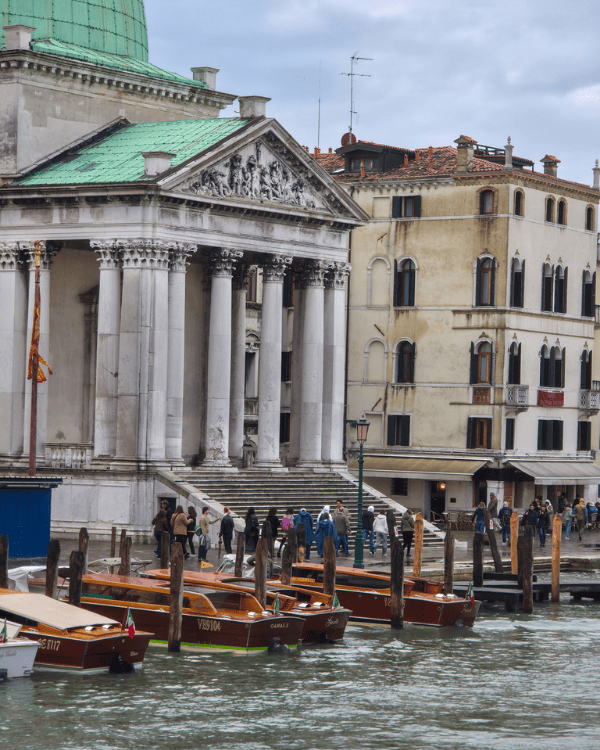
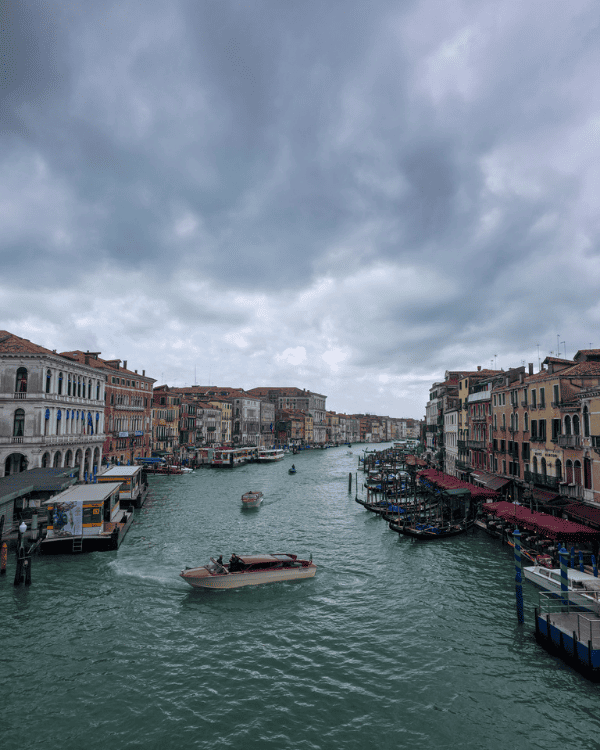
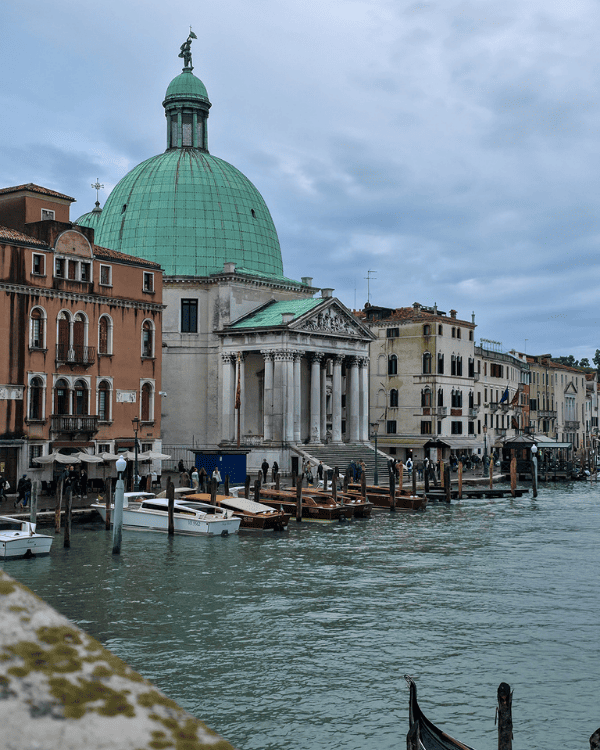
It rained on one of our days and navigating the narrow streets of the centre with umbrellas was genuinely awful – no space, constantly catching someone’s spoke.
In rain, head to the outer neighbourhoods. Cannaregio, Dorsoduro and San Polo have wider streets and a completely different kind of beauty in grey light. And Venice actually has some outstanding indoor spaces that most people only visit as an afterthought – rain forces you into them and you end up grateful.
Here’s what’s worth your time:
Gallerie dell’Accademia (Dorsoduro) – Venice’s most important art gallery, with an extraordinary collection of Venetian paintings from Bellini, Titian and Mantegna. Gives you proper context for everything you’ve been seeing on the walls of churches all trip. Budget 2 hours minimum.
Peggy Guggenheim Collection (Dorsoduro) – housed in the Palazzo Venier dei Leoni, right on the Grand Canal. One of Europe’s best modern art collections – Picasso, Dalí, Pollock, Kandinsky – in a beautiful palazzo with a sculpture garden. Often overlooked because it’s not “old Venice” but genuinely world-class.
Ca’ Rezzonico (Dorsoduro) – a lavish palace of the Venetian aristocracy housing an unsurpassed collection of 18th-century Venetian art. The rooms themselves are as much the attraction as the paintings – gilded ceilings, frescoes, period furniture. Feels like stepping into a different century.
Santa Maria della Salute (Dorsoduro) – designed by Baldassare Longhena, the church’s façade is embellished with 125 statues and the interior is hauntingly beautiful. Free to enter, almost never crowded, right at the entrance to the Grand Canal. One of those buildings that stops you in your tracks.
Scuola Grande di San Rocco (San Polo) – often called Venice’s Sistine Chapel. Tintoretto spent 23 years painting the entire interior – walls and ceilings – and the result is overwhelming. Most visitors walk past it on the way to the Frari church next door. Don’t. Budget an hour and bring your neck muscles.
Basilica dei Frari (San Polo) – the other great Gothic church of Venice, with Titian’s Assumption of the Virgin above the altar – considered one of the greatest paintings in Italy. Free to wander, small entry fee for the full interior.
Museo Correr (San Marco) – covers the art and history of Venice in the ex-Royal Palace in Piazza San Marco. Included with the Doge’s Palace ticket if you already have one, so essentially free if you’re visiting both. Good for a rainy afternoon when you’ve already done the Palace.
💡 Tip: if you’re planning a full rainy day across multiple museums, look into the Museum Pass Plus – it covers the Doge’s Palace, Museo Correr, the Modern Art Gallery, Oriental Art Gallery, and several other civic museums in one ticket. Good value if the weather turns.
Venice Tourist Tax
Venice charges a €5 day-tripper entry fee on selected busy days – mainly weekends and public holidays between April and July. If you’re staying overnight you’re exempt (folded into your accommodation tax). Check the official calendar at cda.ve.it before visiting as dates change year to year.
Quick Practical Tips
| Best days to visit | Wednesday or Thursday – noticeably quieter than weekends |
| Best time of day | Before 9am everywhere in the centre |
| Getting around | Vaporetto + walking. Tap your card on readers |
| Under 29? | Get Rolling Venice card (€6) on arrival |
| Food | Bacari and cicchetti in Cannaregio/San Polo. Avoid coperto restaurants |
| St Mark’s Basilica | Book online weeks ahead – no on-site tickets since July 2025 |
| Doge’s Palace | €35, book ahead, consider Friday/Saturday evening opening in summer |
| Gondola | €90/30min, small canals not Grand Canal, split between 6 |
| Burano | Go morning, back by early afternoon |
| Water taxis | Expensive – avoid |
| Umbrellas in rain | Go to outer neighbourhoods – centre is impossible |
Book Your Venice Trip
FAQs: Venice for First Timers
When is the best time to visit Venice to avoid crowds?
Midweek in shoulder season – April/May or September/October. We went mid-May on a Wednesday and it was already busy but noticeably quieter than the weekend. July and August are intense. Early mornings everywhere are worth the alarm – before 9am even San Marco is manageable.
Do you need to book St Mark’s Basilica in advance?
Yes, and this is non-negotiable since July 2025 – there are no on-site tickets. Book at tickets.basilicasanmarco.it at least a week ahead, more in summer. Morning slots in peak season sell out 1–2 weeks after they’re released (45 days in advance).
Is Venice worth visiting despite the crowds?
Yes, with the right approach. Stay in Cannaregio or Dorsoduro, eat cicchetti at a bacaro, take a gondola through the small canals, watch the sunset from the Accademia Bridge – that Venice is extraordinary. If you spend all your time around San Marco, you’ll be disappointed.
How do you get around Venice without getting lost?
Getting lost is part of it. Download Google Maps offline, orient yourself by vaporetto stops, and accept that some wrong turns are inevitable. Venice isn’t that big – you always hit water eventually and can reorient.
Is Burano worth visiting from Venice?
Worth it for a half-day if you want the photos of the colourful houses. Go in the morning. Don’t expect much beyond the aesthetic – it’s small and there’s limited to do once you’ve walked the streets. Return ferries in the afternoon can involve a frustrating wait.
How much does a gondola cost in Venice?
€90 for 30 minutes during the day (up to 5 people), €120 in the evening. Split between 5 it’s very reasonable. Always take a small canal rather than the Grand Canal – the experience is incomparably better.
What is a bacaro in Venice?
A traditional Venetian wine bar serving cicchetti – small bites on bread (salt cod, anchovies, cheese) eaten standing at the bar with a small glass of wine. Typically €1.50–3 per piece. It’s how locals eat lunch and far better value than any tourist restaurant near San Marco.
Can you visit Venice on a budget?
Yes, if you eat at bacari rather than restaurants (€10–15 for a proper lunch with wine), use the vaporetto rather than water taxis, visit free attractions (the neighbourhoods themselves, the bridges, the floating library, the churches), and stay outside San Marco. The main costs are accommodation and entry tickets for the Basilica and Doge’s Palace.
*Heads up, fellow travelers! Some of the links on this site are affiliate links, which means if you make a purchase or book an activity through them, we may earn a small commission (at no extra cost to you!). We only recommend things we absolutely love and believe will enhance your adventure. Your support helps us keep this site going, so thank you for being part of our journey!
Written by Ru & Tiago
We visited Venice mid-May and explored it entirely on foot — staying in Cannaregio, eating cicchetti at bacari, and spending as much time as possible away from the tourist centre. Based in Geneva, we specialise in honest, active city break guides built around walking, eating local, and skipping the tourist traps.