The first time we searched “where to stay in Venice,” almost everything pointed us toward San Marco. Gorgeous photos, five minutes from St Mark’s Square, right on the water. So naturally, we almost booked it.
We’re glad we didn’t.
We ended up in Cannaregio instead, near Ca’ d’Oro, and it completely changed the trip. Twenty minutes’ walk from the Basilica, half the price, and an actual neighbourhood to come home to at night – washing lines overhead, bacari on the corner, no one trying to sell us a €4 espresso next to a gondola stand.
That contrast is basically the whole answer to “where should I stay in Venice,” so we’re turning it into its own guide.
👉 This is the accommodation deep-dive to our full Venice first-timer guide – same trip, same honesty, just zoomed all the way in on the one decision that shapes everything else about your visit.
Quick Answer: Where to Stay in Venice
If you only read one section, read this one.
- Best overall for first-timers: Cannaregio – walkable to everything, real neighbourhood feel, noticeably cheaper than San Marco
- Best for foodies and central location: San Polo – steps from the Rialto Market, deep in bacaro territory
- Best for quiet and romance: Dorsoduro – art galleries, sunset on the Accademia Bridge, fewer tour groups
- Best if money is no object and you want to be steps from the Basilica: San Marco – but expect to pay a serious premium for it
- Best budget base (with a short commute): Mestre – mainland, 10 minutes by train, a fraction of the price
- Avoid unless you love isolation: the Lido in low season, or anywhere in San Marco if you’re on a tight budget
Book at least 6-8 weeks ahead for spring and summer – Venice has a hard cap on hotel and Airbnb stock (it’s an island, there’s nowhere to build), and the good places in Cannaregio and Dorsoduro sell out well before the obvious San Marco hotels do.
👉 Browse places to stay in Venice here and filter by neighbourhood as you read – it’ll make a lot more sense once you know what each one actually feels like.
Why Where You Stay in Venice Matters More Than Almost Anywhere Else
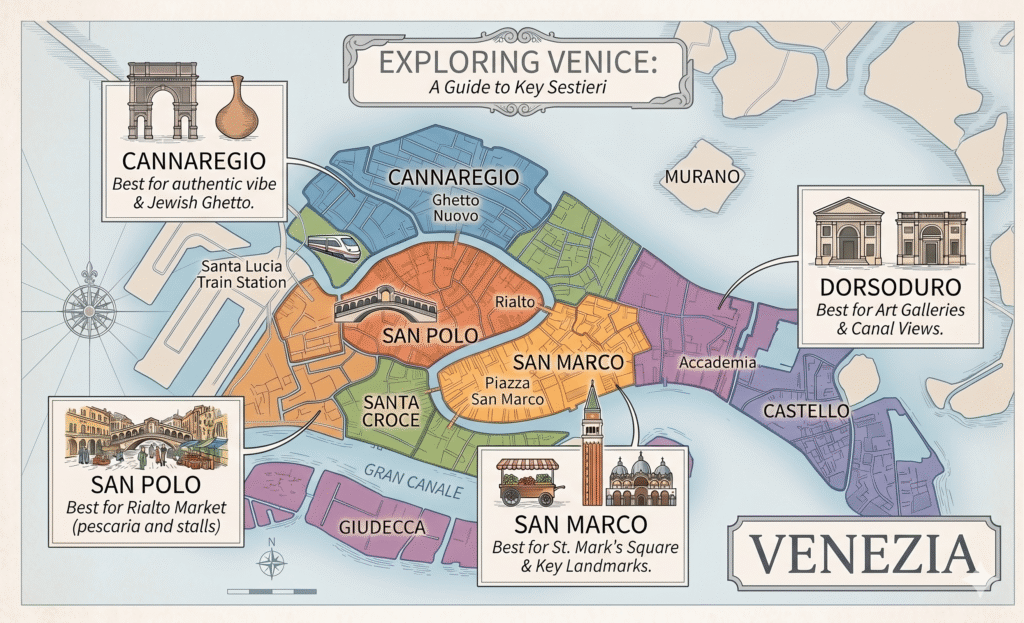
In most cities, your neighbourhood affects your commute. In Venice, it affects your entire trip.
There are no cars, no Ubers, no quick fixes if you pick badly. Every single day starts and ends with the same walk or the same vaporetto ride, through the same stretch of city, at the same tired-after-a-day-of-walking hour.
Pick a neighbourhood that’s dead by 9pm and full of coach groups by day, and that’s your trip. Pick one with a bacaro on the corner and a bridge you actually want to cross, and that’s your trip instead.
We’re not going to tell you there’s one “best” area – it depends what you’re optimising for. But we’ll tell you exactly what each one is actually like to live in for a few days, not just visit for an afternoon.
Venice Neighbourhoods at a Glance
| Neighbourhood | Vibe | Distance to San Marco | Price Level | Best For |
|---|---|---|---|---|
| San Marco | Iconic, crowded, touristy | 0 min (you’re in it) | €€€€ | Splurge trips, first-time “I want it all outside my window” |
| Cannaregio | Local, wide canals, lived-in | 20-25 min walk | €€ | First-timers, couples, best value |
| San Polo | Central, foodie, maze-like | 10-15 min walk | €€€ | Food lovers, central without San Marco prices |
| Dorsoduro | Quiet, artsy, romantic | 20-25 min walk | €€€ | Couples, art lovers, sunset chasers |
| Giudecca | Residential, peaceful, off the map | Short vaporetto ride | €€ | Total escape from crowds, longer stays |
| Lido | Beachy, spread out, seasonal | 15 min by boat | €€ | Families in summer, beach + city combo |
| Mestre | Mainland, modern, practical | 10 min by train | € | Tight budgets, one-night stopovers |
Prices shift a lot by season – this is relative, not absolute. Expect anything in central Venice to run higher than mainland Italy in general, and expect August and Carnevale (Feb) to spike everywhere.
San Marco: Beautiful, Central, and Not Where We’d Stay
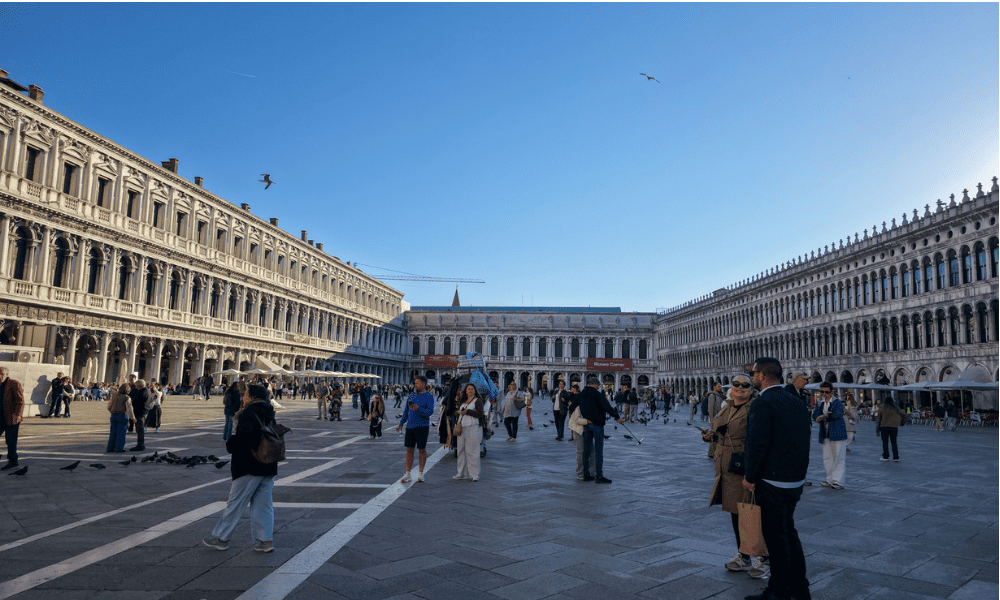
San Marco is Venice exactly as you pictured it before you went – the Basilica, the Doge’s Palace, the Grand Canal waterfront, gondolas queued up at the dock. Staying here means stepping outside into all of that.
It also means stepping outside into all of that – the densest tourist crowds in the city, cover charges at nearly every restaurant, and a price tag that reflects the location far more than the room itself.
By 10am the streets around your hotel will be shoulder-to-shoulder, and by evening a lot of that energy is gone, since most day-trippers clear out and the neighbourhood empties into something closer to a film set than a place people actually live.
Stay here if: it’s a special-occasion trip, budget genuinely isn’t a factor, and you want to fall out of bed onto the Piazza.
Skip it if: you’re a first-timer trying to get a feel for real Venice, or you’re watching your budget at all – you’ll pay a premium to be surrounded by the exact crowds our full Venice guide recommends escaping.
Cannaregio: Our Pick, and the One We’d Book Again
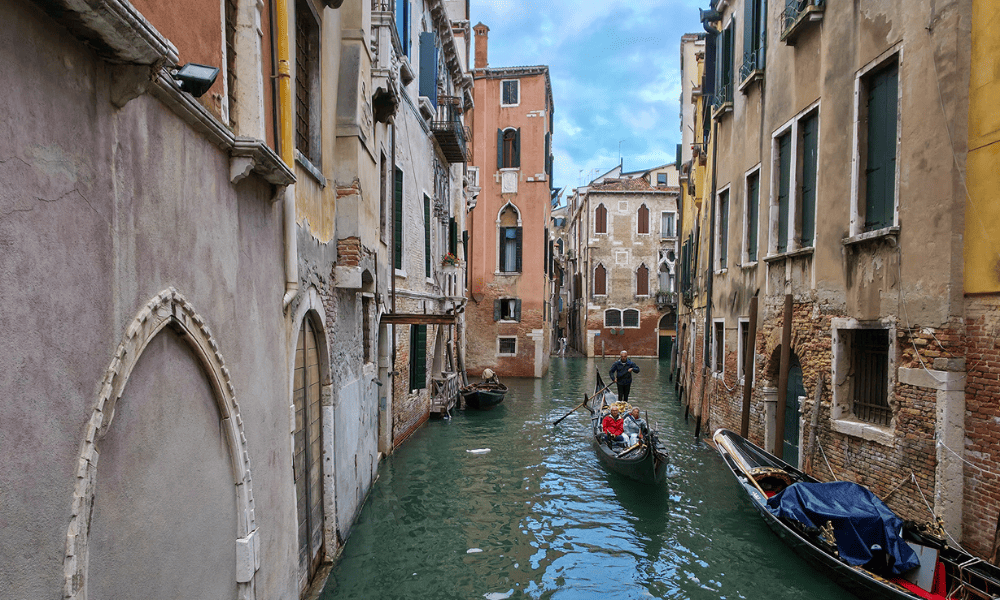
This is where we stayed, and it’s the neighbourhood we recommend to almost everyone.
Cannaregio sits northwest of the station, and it’s the most “lived in” part of central Venice – wider canals than you’d expect, laundry strung between buildings, locals doing their actual grocery shopping, and a density of bacari that makes it the best neighbourhood in the city for cheap, excellent food.
It’s also right on the Grand Canal for a chunk of its length, so you still get that classic Venice view without the classic Venice markup.
We stayed near Ca’ d’Oro, at Hotel Mezzo Pozzo, and it was close to perfect as a base: twenty minutes on foot to San Marco, right on the Grand Canal, surrounded by shops and bacari that had nothing to do with tourism, and genuinely quiet by 10pm.
That’s the trade you’re making with Cannaregio – you give up a five-minute walk to the Basilica for an actual neighbourhood, and it’s a trade worth making.
Stay here if: it’s your first time in Venice, you want to eat well without tourist-menu prices, or you just want somewhere that still feels like a real place after dark.
👉 Find places to stay near Ca’ d’Oro, Cannaregio
San Polo: Central, Foodie, and Underrated
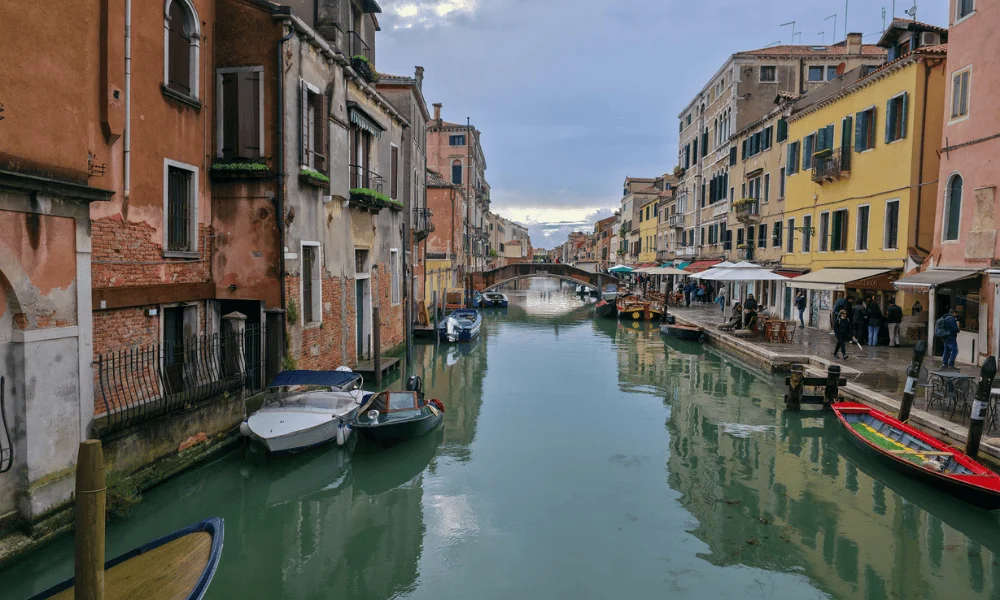
San Polo is the neighbourhood we’d pick if Cannaregio didn’t exist. It’s home to the Rialto Bridge and the Rialto Market, sits almost dead-centre in the city, and is arguably the single best area for cicchetti and bacari – this is the heart of the “eat standing at the bar with a glass of house wine” culture that makes Venice’s food scene what it is.
It’s also a genuine labyrinth. Streets fold back on themselves constantly, which is either charming or maddening depending on how tired you are, and how good your offline maps game is. Expect to get lost at least once a day – we did too.
Stay here if: food is a priority, you want to be central without San Marco’s price tag, and you don’t mind a five-minute detour becoming fifteen.
Dorsoduro: The Quiet, Artsy, Romantic Choice
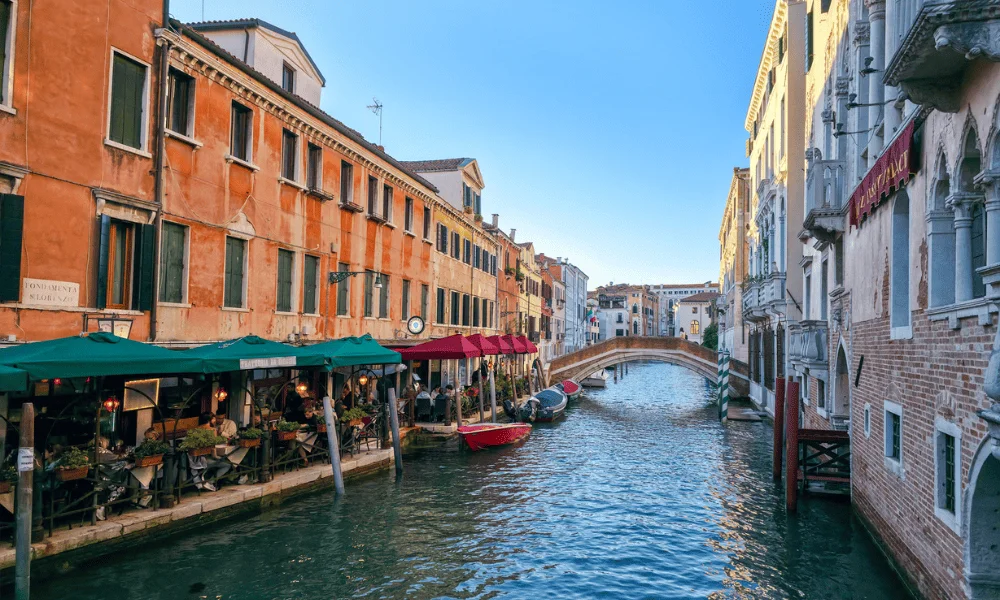
Dorsoduro sits southwest, and it’s the neighbourhood that felt most like “our” Venice by the end of the trip. It’s home to the Accademia gallery, the Peggy Guggenheim Collection, and the Accademia Bridge – genuinely our favourite sunset spot in the whole city, with none of the Rialto’s crowds.
It’s a touch further from San Marco than Cannaregio, and quieter for it. Fewer big hotels, more small guesthouses and B&Bs, a slower pace generally. If you’re the kind of traveller who wants a coffee on a quiet campo more than you want to be five minutes from the Basilica, this is your neighbourhood.
Stay here if: you’re travelling as a couple, you care about art and architecture, or “quiet evenings” ranks above “walking distance to everything.”
Giudecca: The Island Most Visitors Never Set Foot On
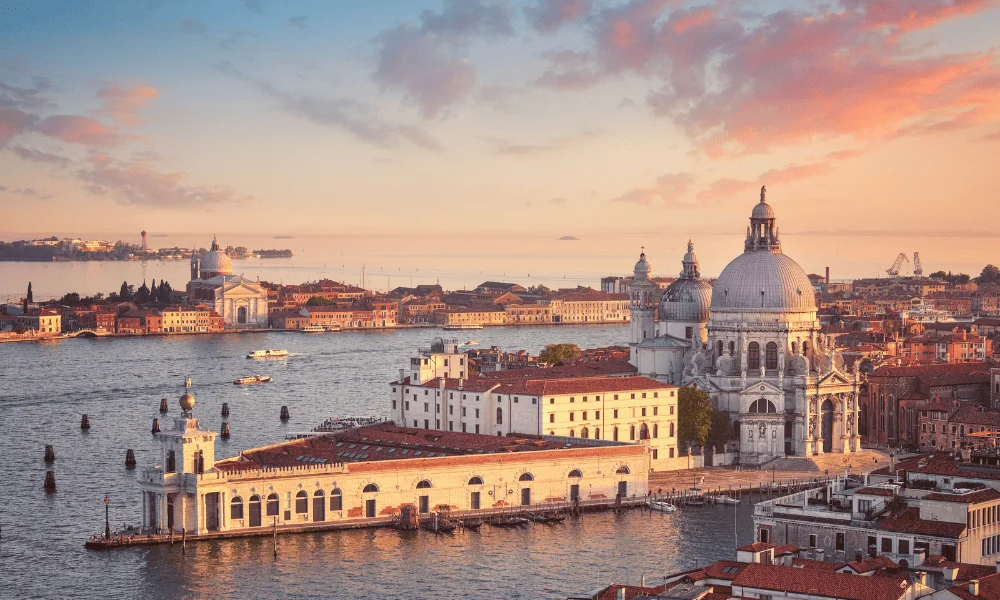
Giudecca sits across a wide stretch of water from Dorsoduro, and staying here means a short vaporetto ride every time you want to reach the main action – which sounds like a downside until you realise it’s also exactly what keeps it this peaceful.
It’s almost entirely residential. Long waterfront promenades, real neighbourhood restaurants, and views back across to Dorsoduro and San Marco that you won’t get from within the crowds themselves.
It suits longer stays – three nights or more – better than a quick one- or two-night visit, since the extra boat ride adds friction you’ll only appreciate once you’ve settled in.
Stay here if: you’ve done Venice before, you’re staying four or more nights, or total quiet matters more to you than convenience.
Lido: The Beach Option (Seasonal)
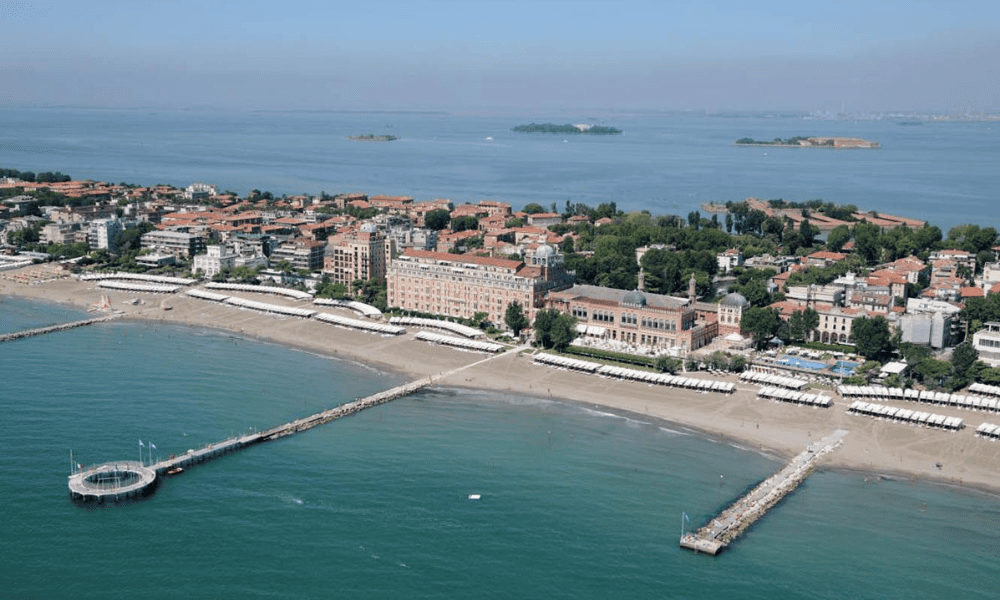
The Lido is a genuinely different Venice – wide streets, cars (a rarity), Art Deco hotels, and an actual beach. It only really makes sense in summer, when the beach clubs are open and the extra 15-minute boat ride to the centre feels worth it for an afternoon swim.
Outside of summer, it can feel oddly dead, and you’re adding a boat commute for not much payoff. This is a niche pick, not a default one.
Stay here if: you’re visiting June-September and want a beach-and-city combination, ideally for a longer trip.
Mestre: The Budget Move Nobody Admits To, But Everybody Considers
Mestre is on the mainland, connected to Venice by a 10-minute train ride, and it’s where prices drop sharply compared to anything on the actual islands.
It’s not romantic and it’s not “Venice” in any meaningful sense – but if your budget is tight or you just need a cheap night before an early flight out of Marco Polo airport, it does the job without pretending to be something it’s not.
Stay here if: budget is the deciding factor, or you need one practical night near the airport or train station.
👉 Compare Venice and Mestre accommodation prices here – worth doing before you commit, since the gap can be significant depending on dates.
How We’d Actually Decide (If We Were Booking Again)
- First time in Venice, want the classic first-timer experience without overpaying: Cannaregio, near Ca’ d’Oro or Strada Nova
- Obsessed with food, want to be in the middle of it all: San Polo, near the Rialto Market
- Travelling as a couple, want quiet evenings and good art: Dorsoduro, near the Accademia
- Money’s not an issue, want the postcard view outside your window: San Marco — just book very early
- Tight budget or a one-night layover: Mestre
- Already been to Venice once, want total peace: Giudecca
Whichever you land on, the golden rule doesn’t change: book early. Venice cannot expand its hotel stock the way other cities can – there’s no land left to build on – which means the good, well-located places in Cannaregio and Dorsoduro often sell out before the big San Marco chains do, especially for spring and summer travel.
👉 Start comparing Venice hotels and apartments by neighbourhood
Practical Booking Tips for Venice in 2026
- Book 6-8 weeks ahead minimum for April-September travel; earlier for Carnevale (February) or any weekend
- Check for “acqua alta” (high water) risk if travelling November-January – ground-floor rooms in low-lying areas like parts of San Marco and Cannaregio can occasionally flood; ask your host directly if you’re unsure
- Confirm the Venice accommodation tax is included or added separately at check-in – it’s charged per person, per night, and varies by hotel star rating
- Look at walking distance to the nearest vaporetto stop, not just distance to San Marco – a hotel 25 minutes from the Basilica but 2 minutes from a stop can be more convenient than one that’s technically closer
- Read the address carefully – Venice’s numbering system doesn’t work like a normal city, and “central” listings can be a 20-minute walk from where you’d expect.
FAQs: Where to Stay in Venice
What is the best area to stay in Venice for first-time visitors?
Cannaregio is generally the best fit for first-timers. It’s walkable to all the major sights (about 20-25 minutes to San Marco), significantly cheaper than staying in the historic centre’s tourist core, and it still feels like a genuine neighbourhood rather than a hotel strip.
Is it better to stay in San Marco or Cannaregio?
Cannaregio, for most travellers. San Marco puts you steps from the Basilica and the Doge’s Palace, but you pay a heavy premium for it and you’re surrounded by the densest crowds in the city. Cannaregio is a 20-minute walk from the same sights, meaningfully cheaper, and a much nicer place to actually spend your evenings.
Where should I stay in Venice if I want to avoid crowds?
Dorsoduro or Giudecca. Dorsoduro is quieter than the main tourist neighbourhoods while still being a reasonable walk to everything; Giudecca goes a step further and is almost entirely residential, separated from the main action by a short vaporetto ride.
Is it cheaper to stay outside Venice and commute in?
Yes — Mestre, on the mainland, is noticeably cheaper and only about 10 minutes away by train. It’s the right call for tight budgets or a single-night stopover, but it isn’t “Venice” in any real sense, and you lose the experience of walking home through the city at night.
How far in advance should I book a hotel in Venice?
At least 6-8 weeks ahead for spring and summer travel, and further out for Carnevale in February or any major holiday weekend. Venice has a fixed amount of accommodation and can’t add more, so well-located places in Cannaregio and Dorsoduro tend to sell out before the obvious San Marco hotels do.
Which Venice neighbourhood has the best food?
San Polo and Cannaregio, by a wide margin. Both are packed with bacari serving cicchetti and cheap local wine, the way Venetians actually eat, rather than the tourist-menu restaurants that dominate San Marco.
Is the Lido worth staying on in Venice?
Only in summer, and only if you specifically want a beach alongside your city time. Outside of June-September it can feel isolated, and you’re adding a 15-minute boat commute for a beach you won’t be using.
*Heads up, fellow travelers! Some of the links on this site are affiliate links, which means if you make a purchase or book an activity through them, we may earn a small commission (at no extra cost to you!). We only recommend things we absolutely love and believe will enhance your adventure. Your support helps us keep this site going, so thank you for being part of our journey!
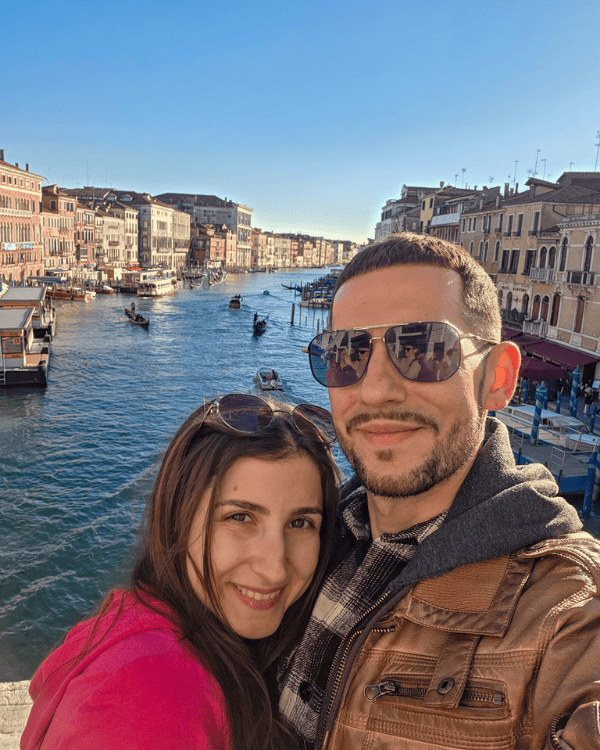
Written by Ru & Tiago
We stayed in Cannaregio for our own Venice trip and explored every other neighbourhood on foot before writing this — comparing walk times, prices and atmosphere so you don’t have to guess. Based in Geneva, we specialise in honest, active city break guides built around walking, eating local, and skipping the tourist traps.